
Livraison le jour même ou le lendemain

Qualité garantie

Débloquez vos offres de bienvenue: Livraison GRATUITE | Jusqu'à -80 % | 30 jours d'essai gratuits à JoyPlus
Téléchargez l'application
Whey protein powder can help you easily increase your daily protein intake, particularly after a weight-training, fitness or endurance session. However, not all products are equal or suited to the same needs. Protein content, ingredients, format and digestive tolerance can all have a significant impact on how useful a product is in everyday life.
Before placing your order, three common mistakes are worth avoiding:
Start by comparing the amount of protein per 100 g and per serving. A protein powder designed for weight training may provide between 21 and 24 g of protein per serving, but servings do not all weigh the same.
For example, a 30 g serving of INSHAPE NUTRITION Vanilla Whey provides 23.1 g of protein, along with 1.3 g of fat and 2.6 g of sugars. The chocolate version provides 22.2 g of protein per 30 g, with 1.4 g of fat and 2.1 g of sugars. These figures offer a much more meaningful comparison than the claims displayed on the packaging alone.
Also check the number of servings per pack. A larger format can reduce the cost per serving, provided you enjoy the flavour and use the product regularly.
The word “fast” does not mean you can skip reading the label. In practice, the consistency of your diet, your training and your total protein intake often matter more than the difference between two formulas.
Whey-based products contain milk. Several products also contain soya lecithin. Depending on the manufacturing site, traces of gluten, eggs, peanuts or tree nuts may also be listed.
If you are looking for a low-sugar protein, check the “of which sugars” line rather than relying solely on the claim “low carbohydrate”. Some recipes contain sweeteners such as sucralose or acesulfame-K. If you want to limit additives, a short ingredients list can be a useful selection criterion.
Finally, check the recommended amount of liquid. An Optimum Nutrition serving is generally mixed with 180 to 240 ml of water or milk, while Body & Fit recommends 250 ml. A shaker fitted with a grille or mixing ball can help reduce lumps, although solubility also depends on the temperature and the liquid used.
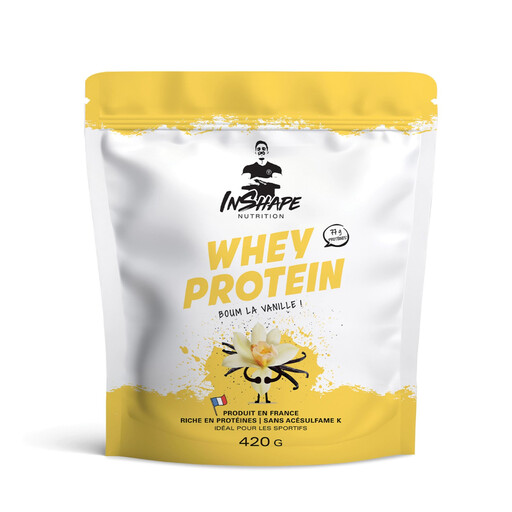
Why this choice suits this profile : At 420 g, this size lets you try a whey protein without committing straight away to a large bag. The vanilla flavour and preparation with water or milk make it easy to get started.
The 30 g serving is clearly stated, with detailed nutritional values provided both per serving and per 100 g.
23.1 g of protein per serving, 2.6 g of sugars and manufactured in France by N4BRANDS.
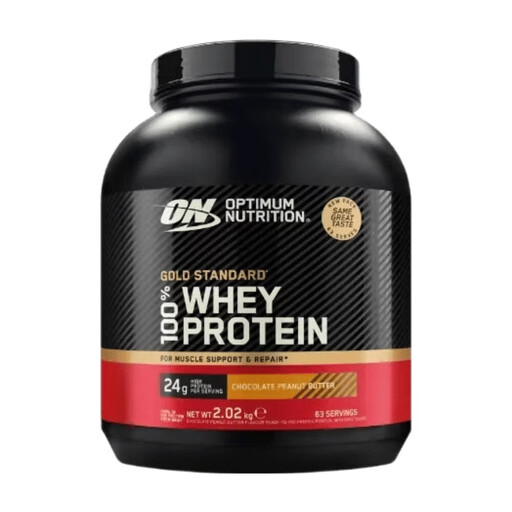
Why this choice suits this profile : Its large pack size and blend of isolate, concentrate and hydrolysed whey are suited to athletes who regularly take protein after training.
The 24 g of protein is linked to a clearly defined 32 g serving, making it easier to calculate the price per serving.
63 servings stated, 24 g of protein per serving and 1 g of sugars according to the information provided.
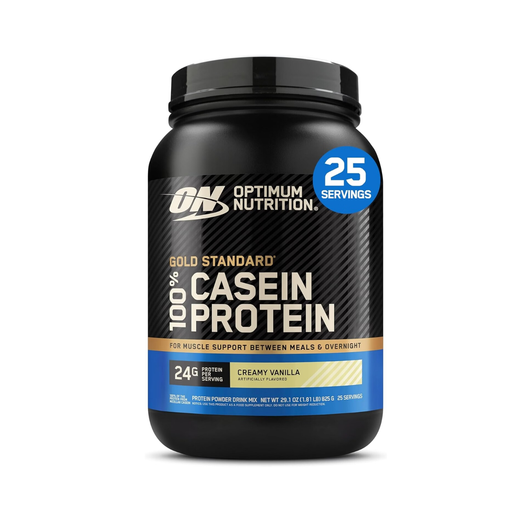
Why this choice suits this profile : This casein is aimed at those looking for a more gradual-release source of protein between meals or before bed.
It is not presented as a fast-absorbing whey: micellar casein is suited to a different time of consumption.
24 g of protein per 33 g serving, with calcium, magnesium and zinc listed on the product page.
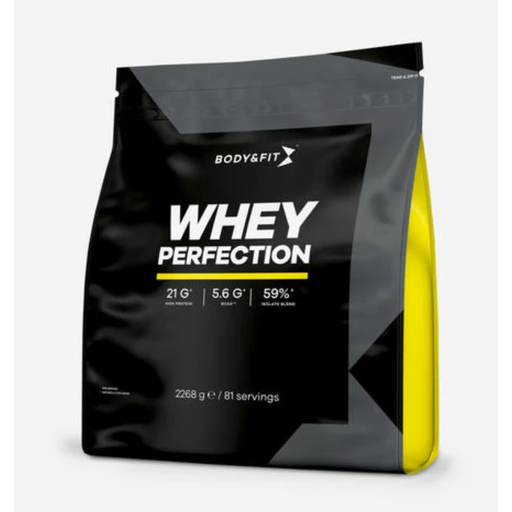
Why this choice suits this profile : Its large format and stated 81 servings may suit an active adult who prepares shakes, smoothies or protein recipes several times a week.
The product page specifies the serving size, amount of protein and presence of milk and soya, rather than focusing solely on the flavour.
22 g of protein and 101 kcal per 28 g serving, with the option to add it to porridge or homemade recipes.
We have put together a comprehensive, real-time updated selection of products that meet these demanding selection criteria and European safety requirements.
A serving of whey is generally mixed with water or milk in a shaker. Water reduces the total calorie intake, while milk provides a creamier texture and a few additional nutrients. Follow the dosage stated on the label rather than automatically filling the scoop to the brim.
Whey can be taken after training or between meals to supplement your daily intake. It is not a substitute for a varied diet. To build muscle mass, balanced meals, high-quality training and rest remain the key factors.
Store the powder in a dry, cool place away from light. Seal the pack carefully after each use, then check the best-before date and batch number. If you are allergic to milk or soya, read the complete ingredients list carefully before making your choice.
The products featured generally recommend a serving of between 28 and 33 g of powder, providing around 21 to 24 g of protein. However, the right amount depends on your diet and personal needs. Follow the manufacturer’s instructions and avoid exceeding the recommended daily intake.
No. A whey concentrate or blend can be perfectly suitable for everyday use if its protein content, sugar level and composition meet your expectations. Isolate may be worthwhile if you are looking for a more highly filtered formula, but take the time to compare the price per gram of protein.
Whey is often preferred around training or between meals. Because it is released more gradually, casein may be useful when the interval between meals is longer, particularly in the evening. These two proteins are therefore suited to different uses, rather than one being generally superior to the other.