
Livraison le jour même ou le lendemain

Qualité garantie

Débloquez vos offres de bienvenue: Livraison GRATUITE | Jusqu'à -80 % | 30 jours d'essai gratuits à JoyPlus
Téléchargez l'application
The whey protein market can feel like a jungle: dozens of brands, types, and marketing promises. For athletes, from beginners to seasoned pros, making the right choice is crucial for achieving their goals, whether it's muscle building or recovery. Yet, it's easy to fall into expensive traps that yield disappointing results.
Before you splurge on a new tub of protein powder, let's review two classic mistakes to avoid:
This guide gets straight to the point: helping you decode labels and choose the protein that truly fits your needs, cutting through the marketing noise.
To make an informed choice, you need to master a few technical criteria. Once you know them, you'll read labels like a pro and know exactly what's in your shaker.
This is arguably the number one criterion. The type of protein determines its absorption speed by the body.
It may seem obvious, but a good protein powder must... be rich in protein. Always scrutinise the amount per serving (usually 20-25g) and the protein-to-calorie ratio.
Rather than an endless catalogue, we've selected products that tick all the boxes for specific user profiles, based on the objective criteria discussed above.
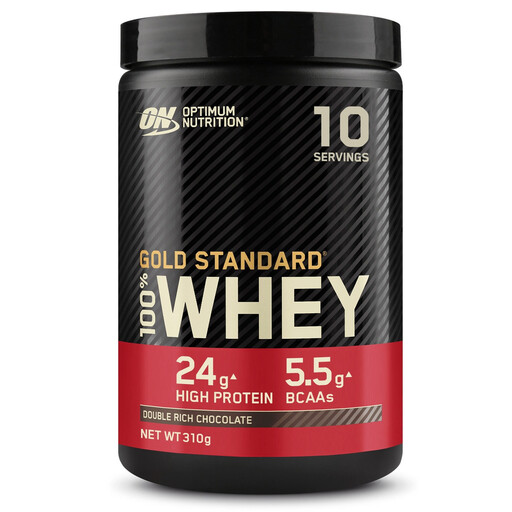
Why we chose it: This user profile seeks lightning-fast absorption and maximum purity to leverage the famous post-workout anabolic window. The Whey Gold Standard formula is an absolute benchmark, acclaimed for its transparent composition and effectiveness.
The ingredient list is crystal clear: whey protein isolate is listed first. This guarantees high quality, a far cry from opaque blends.
24g of protein per serving, enriched with 5.5g of naturally occurring BCAAs, all for just 1g of sugar and under 120 calories.
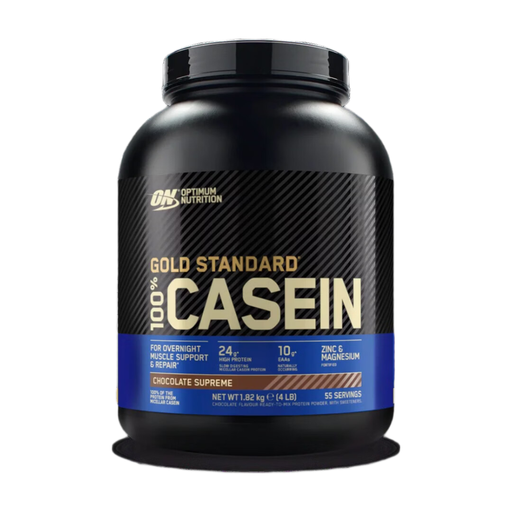
Why we chose it: This user understands the game: night-time nutrition is key to muscle reconstruction. They need a sustained-release protein source to counteract catabolism during sleep.
This product addresses a specific need (slow recovery) and avoids the classic mistake of using a fast whey at the wrong time. It's a surgical choice, not a one-size-fits-all product.
Each serving provides 24g of pure micellar casein, ensuring a steady release of amino acids throughout the night. All with very little fat (0.8g) and no added sugars.
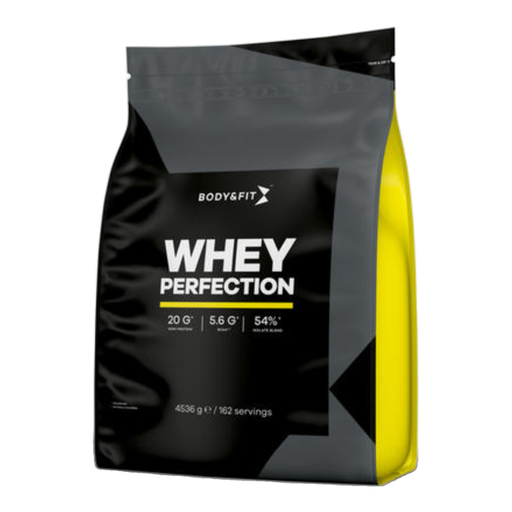
Why we chose it: For those who run on daily protein shakes, the cost per serving is a major factor. This XXL size offers an unbeatable price-per-serving without compromising on core nutritional quality.
The brand is transparent: this isn't a pure isolate, but a whey blend (isolate, concentrate, hydrolysate). The user knows they are choosing a smart solution that combines performance and economy.
An ultra-economical size (162 servings!) that guarantees 22g of protein per shaker. Perfect for daily use, whether for mass gain or maintenance.
We have put together a complete selection of products that meet our strict selection criteria and current regulations.
The entire difference comes down to filtration. Whey isolate undergoes an additional filtration step (often cross-flow microfiltration) that removes almost all lactose, carbohydrates, and fats. This results in a purer powder with a higher protein concentration (over 90%) and faster absorption. Whey concentrate, being less processed, contains between 70-80% protein and retains a bit more lactose and lipids. It's a more economical option, but still highly effective for the majority of athletes.
Yes, absolutely. A protein powder is still a dietary supplement. It can be used to supplement daily protein intake, for example, as part of a vegetarian diet, to promote satiety, or to help maintain muscle mass in seniors. However, its effectiveness is greatly enhanced when combined with physical activity, as proteins are the fuel for repairing and growing muscle fibres damaged during exercise.
The trick to a perfectly smooth protein shake is the order! Always pour the liquid (water or milk) into the shaker first, THEN add the powder. This prevents it from sticking to the bottom. Use a shaker with a mixing grid or ball to dissolve the powder thoroughly. Shake vigorously for 20 to 30 seconds. For an even creamier result, a quick blitz in a blender works wonders.