
Livraison le jour même ou le lendemain

Qualité garantie

Débloquez vos offres de bienvenue: Livraison GRATUITE | Jusqu'à -80 % | 30 jours d'essai gratuits à JoyPlus
Téléchargez l'application
Are you looking for a whey protein to supplement your diet, hit your daily targets more easily, or whip up a shake after a weights session? With whey protein, whey isolate, whey concentrate, formulas enriched with BCAAs and bags weighing several kilos, it’s not always easy to know where to start.
In the UK, the same mistakes crop up time and again when buying:
Start by looking at the nutritional table rather than getting drawn in by marketing claims. The products featured here typically offer between 22 g and 24 g of protein per serving, which works out at around 74 g to 79 g per 100 g, depending on the product.
This benchmark lets you compare protein powders on the basis of a realistic serving. Also check the carbs, sugars, fats and salt. Two products each claiming 24 g of protein can have very different carb counts depending on the flavour and added ingredients.
Whey isolate is a more heavily filtered whey protein, while whey concentrate generally retains more of the components naturally present in milk. Some recipes also include hydrolysed whey.
Take the time to read the full ingredients list and allergen information: the products shown contain milk, and several of them also contain soya lecithin. Traces of gluten, eggs, peanuts or tree nuts may also be mentioned. If you have an allergy, always rely on the label of the product you actually receive.
A 420 g bag is handy for trying a flavour or starting a short-term routine. Sizes of 2 kg or more are better suited to regular users, provided you can store them in a dry place and seal the container properly.
To work out value for money, divide the price by the number of servings stated. Also take the serving size into account: the products featured often use a scoop of 28 g, 30 g or 32 g. The real cost of a shake depends on the recommended serving, not just the total weight of the bag.
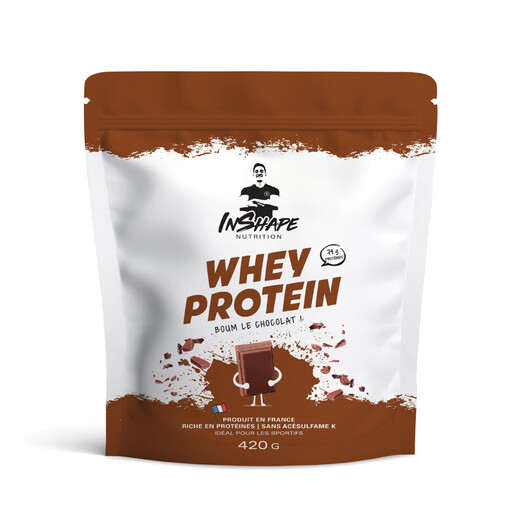
Why this choice suits this profile: At 420 g, this size lets you try a chocolate whey without committing to a big bag straight away or finding a permanent home for it in the cupboard.
The stated 30 g serving provides 22.2 g of protein. The small pack size stops you from ending up with several kilos of a flavour you don’t actually like.
22.2 g of protein, 1.4 g of fat and 2.1 g of sugars per serving, according to the information provided. Mix with water or milk.
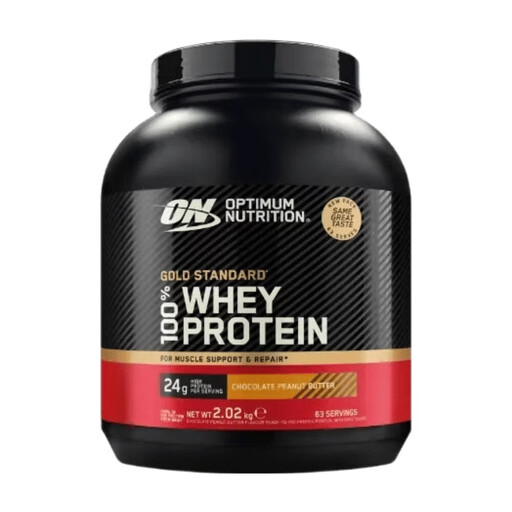
Why this choice suits this profile: This large size is ideal for those who regularly make a shake after training or want a protein boost between meals.
The 2 kg bag comes with 63 stated servings. This means you can work out the cost of each shake before buying, without confusing the pack weight with the amount you’ll actually use.
24 g of protein per 32 g serving, with isolate, concentrate and hydrolysed isolate. The formula also shows 1.3 g of fat and 2.2 g of carbs per serving.
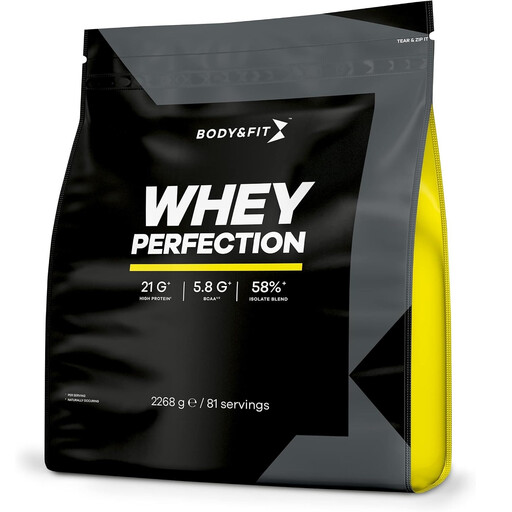
Why this choice suits this profile: With 81 stated servings, this size is aimed at regular users who want to add whey to their shakes, smoothies or recipes.
The product page clearly shows the 28 g serving, the number of servings and the stated maximum daily dose. That helps you avoid guessing the amount.
22 g of protein, 5 g of naturally occurring BCAAs and 1.5 g of carbs per serving, according to the label provided. Cookies & Cream flavour.
We’ve put together a comprehensive, real-time selection of products that meet these demanding criteria and European safety standards.
Mix the dose stated on the pack with water or milk. The amount of liquid you use directly affects the texture and thickness of the shake. Having one after training can be convenient, but whey is primarily there to help you meet your daily protein intake. It doesn’t replace a varied, balanced diet.
For bulking, your total calorie intake and meal consistency matter more than sticking to a specific time. As for the BCAAs naturally present in some formulas, don’t let them distract you from checking the total protein content per serving.
Store the powder in a cool, dry place away from light. Seal the container carefully after each use and always follow the best-before date and the instructions on the label.
Whey isolate is generally more heavily filtered, while whey concentrate retains more of the milk’s natural components. Both can be used as a protein supplement. To decide between them, compare the ingredients list, protein content, sugar content and allergens.
Follow the date on the pack and the manufacturer’s recommendations. A powder that’s properly sealed, stored in a dry place and protected from moisture will keep its texture better. Throw it away if the smell, colour or appearance changes noticeably.
It all depends on the price of the bag and the actual number of servings. Work out the cost per serving, then compare it to your usual protein sources. Whey can be convenient after a workout or on a busy day, but it’s by no means a nutritional necessity.