
Livraison le jour même ou le lendemain

Qualité garantie

Débloquez vos offres de bienvenue: Livraison GRATUITE | Jusqu'à -80 % | 30 jours d'essai gratuits à JoyPlus
Téléchargez l'application
Looking for a whey protein to complement your diet, support recovery after a workout or increase your daily protein intake? With blends, isolates, large packs and a huge range of flavours to choose from, finding the right one can quickly become a headache.
Some marketing claims are worth taking with a pinch of salt, though. A powder that’s very high in protein may also contain more sweeteners, flavourings or allergens. And larger packs are only worthwhile if you genuinely enjoy the flavour and will get through the quantity.
A 2 kg pack doesn’t necessarily contain 2 kg of protein. Check the ‘protein per 100 g’ figure, as well as the amount per serving. Depending on the product, a serving generally provides between 22 and 30 g of protein, from 28 to 40 g of powder.
Whey isolate is generally more concentrated in protein than some blends, but the overall formula is what matters. A whey product may combine isolate, concentrate and hydrolysed whey. Hydrolysis changes the structure of the proteins, but that doesn’t make the product essential for everyone who trains.
A powder you use regularly needs to suit your tastes. Check the ingredients carefully: it may contain, or carry traces of, sucralose, acesulfame-K, soya lecithin, milk, gluten or nuts. In every case, the information on the label should take precedence over advertising claims.
Compare products on a like-for-like basis. A 30 g serving providing 22.2 g of protein isn’t comparable to a 40 g serving providing 30 g. Also check the carbohydrates, sugars, fats and calories per serving, especially if you track your diet down to the gram.
Protein contributes to the maintenance and growth of muscle mass as part of a varied diet and an appropriate training programme. Whey remains a protein supplement, not a substitute for a balanced diet.
A smaller 310 to 480 g pack lets you try a flavour before moving on to a larger one. Packs of 1.6 to 2 kg can sometimes reduce the cost per serving, but need to be stored in a dry place and used regularly. Individual sachets are particularly handy in your gym bag, when travelling or at the office.
When preparing your drink, follow the manufacturer’s guidance on how much water or milk to use. Mixing a serving with 180 to 260 ml of liquid is common, but the texture varies by formula. A shaker with a metal mixing ball can make it easier to blend.
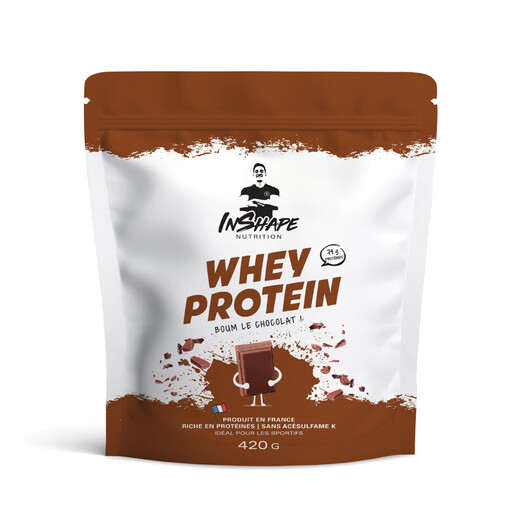
Why it suits this profile : The 420 g pack is ideal for trying a chocolate whey without committing to a large pack straight away. Each serving of around 30 g provides 22.2 g of protein.
The protein content per serving and nutritional values are clearly stated. This makes it easier to compare the price based on the actual amount of protein.
22.2 g of protein, 118 kcal and 1.4 g of fat per stated serving. Made by a manufacturer based in France.
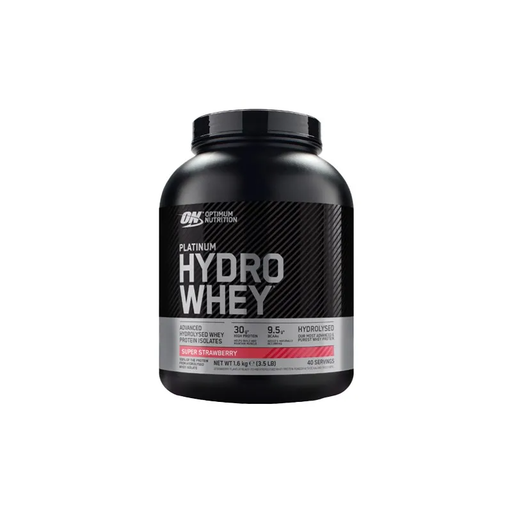
Why it suits this profile : This pack is designed for athletes looking for hydrolysed whey, a high protein dose and a detailed formula.
The detailed ingredients list states that it contains 86 % hydrolysed whey isolate and distinguishes added BCAAs from protein.
30 g of protein, 9.5 g of stated BCAAs and 40 servings in a 1.6 kg pack.
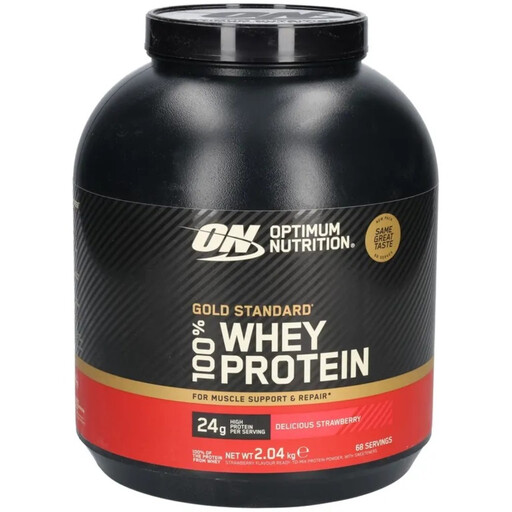
Why it suits this profile : With 63 stated servings, this large pack is a good fit for regular users who take whey to support muscle gain or top up their daily protein intake.
The figures per serving let you work out the cost of use, so you don’t end up paying simply for bulky packaging.
24 g of protein and 5.5 g of naturally occurring BCAAs per 32 g serving, in a 2.016 kg pack.
We’ve put together a comprehensive, real-time updated list of products that meet these strict selection criteria and European safety regulations.
Whey can be mixed with water, milk or something like a smoothie, depending on the texture you prefer. Taking it after a workout is common, but you can also add whey to a meal or snack. The best time to take it depends mainly on your routine and your total protein intake.
Stick to the serving stated on the packaging and don’t replace a varied diet with protein drinks. If you’re allergic to milk, soya or another ingredient, check the product information before buying. If you’re pregnant, breastfeeding, taking medication or have a health condition, ask a healthcare professional for advice.
The serving depends on the product: those featured here generally provide between 22 and 30 g of protein per serving. Use the scoop provided and consider your overall diet rather than automatically taking multiple servings.
Yes, whey can supplement the diet of a healthy adult when used according to the instructions on the label. However, it shouldn’t replace a range of food sources. Also check the manufacturer’s recommended daily serving.
Check the date on the packaging. After opening, reseal the pouch or tub carefully, then store the powder in a cool, dry place away from light. Don’t consume powder that has become damp, changed smell or formed persistent clumps.