
Livraison le jour même ou le lendemain

Qualité garantie

Débloquez vos offres de bienvenue: Livraison GRATUITE | Jusqu'à -80 % | 30 jours d'essai gratuits à JoyPlus
Téléchargez l'application
The market for bodybuilding supplements is a real jungle, and choosing the right whey protein can quickly become a headache. Between promises of lightning-fast mass gain and indecipherable labels, it's easy to get lost. Our guide is here to help you see things more clearly and make an informed choice that fits your goals and budget.
Before we get to our top picks, let's review the 3 most common traps that could cost you dearly… and sabotage your results?:
To avoid falling into these traps, focus on three objective criteria. They will give you a clear idea of the product's quality, far beyond marketing slogans.
There are three main forms of whey, each with its own specific characteristics?:
Don't rely on the per-serving figures, which vary from one brand to another. For a reliable comparison, always analyse the nutritional values per 100g of powder?:
Here, simplicity is often a sign of quality. A long ingredient list is rarely a good sign. Pay close attention to the following elements?:
Every athlete has different needs. Here is a selection of products tailored to distinct user profiles, taking into account the criteria we've just discussed.
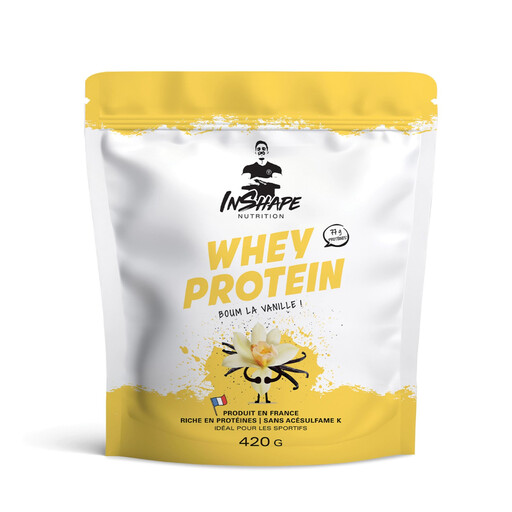
Why it's a good choice: Perfect for those just starting out who don't want to invest in a large container right away. The 420g tub lets you test the product and the classic vanilla whey flavour without getting tired of it. It's an accessible entry point for incorporating a protein supplement into your routine.
The label is transparent: it is clearly a milk protein concentrate, not a disguised isolate. The sugar content (8.6g/100g) is reasonable and clearly stated, avoiding the hidden carb trap.
A convenient trial size to discover whey, with 23.1g of protein per serving to effectively support muscle recovery.
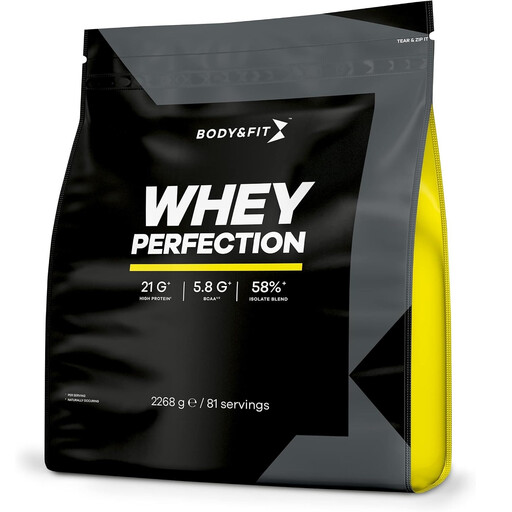
Why it's a good choice: This product is aimed at regular athletes looking to optimise their post-workout nutrition. The blend includes a majority share of whey isolate (67%), ensuring rapid absorption and a very low lactose content.
The composition is transparent: the "whey isolate blend (67%)" mention avoids the fake isolate trap. With only 1.5g of sugar per serving, it bypasses the hidden sugar problem.
A high protein content (22g per serving) with rapid absorption thanks to the isolate. Its natural richness in BCAAs (5g) and glutamine (3.6g) makes it a prime ally for optimised recovery.
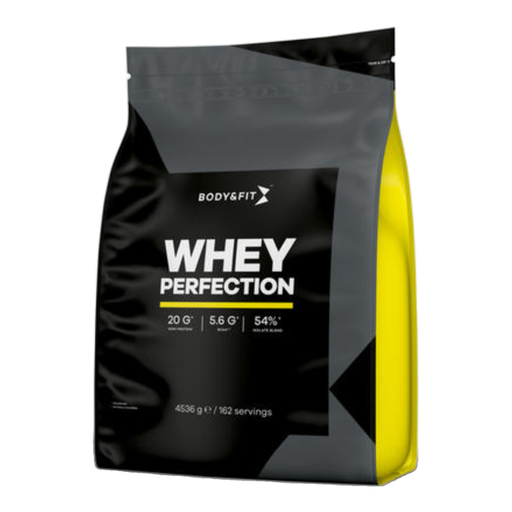
Why it's a good choice: For those who consume whey daily, the cost per serving is a decisive factor. This XXL 4.53 kg size (162 servings) offers unbeatable long-term value. The ultra-popular chocolate whey flavour is a safe bet to keep things interesting.
By buying in bulk, you're not paying for marketing or unnecessary packaging. The product sheet is transparent about its composition (a blend of isolate, concentrate, and hydrolysate), and its nutritional profile remains solid.
An ultra-economical format that guarantees a minimal cost per serving. Quality is still there with 22g of protein per dose and rapid absorption, ideal for mass gain and muscle maintenance.
We have compiled a complete selection of products that meet our quality criteria and current regulations.
The main difference lies in the level of filtration. Whey isolate is much more filtered than whey concentrate. As a result, it contains more protein (often >90%) and almost no lactose or fat. Its absorption is faster, making it ideal for people with lactose intolerance or during a cutting phase. Whey concentrate, being more affordable, remains an excellent option for the majority of athletes.
The most commonly recommended time is during the famous "anabolic window," which is 30 to 60 minutes post-workout. This is when your muscles are most receptive to nutrients to kick-start muscle recovery. That said, a whey shake is also effective upon waking to break the overnight fast, or as a snack to ensure a steady protein intake throughout the day.
Absolutely not! Whey protein powder is very versatile. You can easily incorporate it into many recipes to boost their protein content:
Unflavoured, vanilla, or chocolate flavours are particularly well-suited for these culinary uses.