
Livraison le jour même ou le lendemain

Qualité garantie

Débloquez vos offres de bienvenue: Livraison GRATUITE | Jusqu'à -80 % | 30 jours d'essai gratuits à JoyPlus
Téléchargez l'application
The whey protein market is a jungle: endless options, tempting promises, and unfortunately, plenty of costly pitfalls. Between complex labels and marketing jargon, it's easy to get lost. My role, as a Product Expert at Joybuy, is to help you cut through the noise. The goal? To find not a "miracle" product, but the one that truly meets your needs and budget, far from the siren song of marketing.
Before we get to our top picks, let's break down the two most common mistakes people make when choosing a protein powder.
To make an informed choice, focus on a few key parameters. There's no need to get bogged down in superfluous technical details.
The choice primarily depends on your goals and when you plan to take it.
Once you've chosen the type of protein, a quick look at the nutritional label is essential.
Here is a selection of products that meet specific needs, all chosen based on the objective criteria we've just defined.
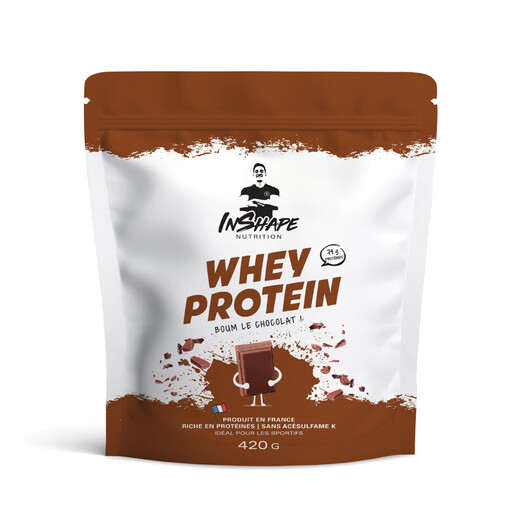
Why we chose it: Perfect for beginners or those with moderate consumption. Its 420g format allows you to try the product without committing to a 1kg tub. It offers excellent value for money, with a very solid composition for muscle building and fitness.
This product gets straight to the point: a simple, milk-protein-based composition without any convoluted "proprietary blends." The label is clear: 22.2g of protein per 30g serving.
A highly competitive price-to-quality ratio and French manufacturing—a compelling argument for many consumers.
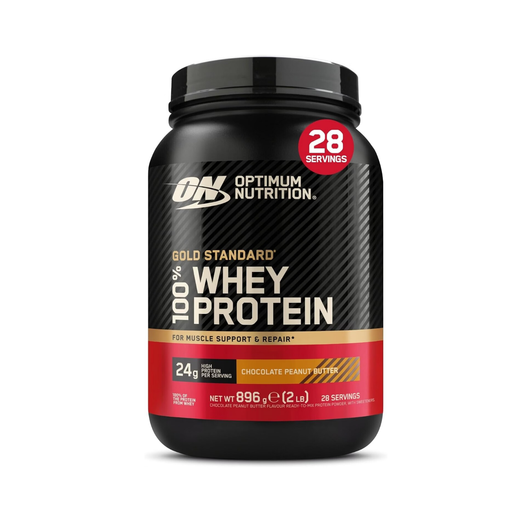
Why we chose it:Gold Standard Whey is THE undisputed benchmark in the market. Its main ingredient is whey isolate, guaranteeing high purity and rapid absorption. A reliable choice for those who are serious about their training and recovery.
There's no marketing fluff here. The brand bets everything on transparency and the quality of its raw material (isolate). Its formula is proven and acclaimed by athletes worldwide.
Each serving provides 24g of protein with very low sugar (1g) and fat content. Its complete BCAA and glutamine profile effectively supports muscle gain and repair.
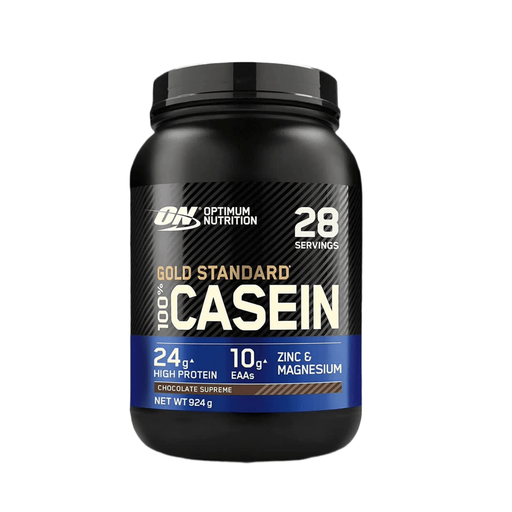
Why we chose it: Note, this isn't a whey, but a casein protein. Its unique feature is its very slow digestion, making it the perfect supplement to take before bed. It continuously feeds your muscles during sleep, a key phase for recovery.
This product doesn't claim to be an "all-in-one." Its positioning is clear and specific: a slow-release protein for a targeted use (at night), which avoids any confusion with a post-workout whey.
Each serving delivers 24g of micellar casein for a sustained release of amino acids. Low in sugar and fat, it supports muscle mass without superfluous calories.
Discover our full selection of products that meet our quality criteria and current regulations.
It all comes down to absorption speed. Whey protein is absorbed very quickly by the body (within 30 to 60 minutes), making it perfect post-workout to kick-start muscle repair without delay. Casein protein, on the other hand, forms a gel-like substance in the stomach and digests slowly (over several hours). This ensures a sustained release of amino acids, which is ideal before a long period without food, such as overnight.
There's no one-size-fits-all answer. Your protein powder consumption should be part of your total protein intake, which varies based on your weight, activity level, and goals. A protein shake is a supplement, not a meal replacement. For most athletes, 1 to 2 shakes per day, in addition to a balanced diet, is a common and more than sufficient practice to optimise recovery or muscle gain.
Essential? No. Extremely practical? Yes. The foundation of all progress remains a solid and varied diet. However, achieving a high protein intake (between 1.6 and 2.2g per kilogram of body weight) through food alone can be difficult, expensive, and impractical on a daily basis. Whey protein provides a high-quality, easy-to-prepare, and digestible protein source: a powerfully effective ally for optimising your results.