
Livraison le jour même ou le lendemain

Qualité garantie

Débloquez vos offres de bienvenue: Livraison GRATUITE | Jusqu'à -80 % | 30 jours d'essai gratuits à JoyPlus
Téléchargez l'application
With promises of rapid recovery, indulgent flavours and family-sized formats, choosing a whey protein can quickly become a challenge. Whey powder can complement the diet of an athlete, runner or active adult, but it should never replace meals or a varied diet.
The price per kilo is not enough to distinguish between two products. You should also consider the actual protein content, ingredients, format and digestive tolerance. Here are the key criteria to check before buying, along with a selection of products available on Joybuy.
A 2 kg packet does not necessarily contain 2 kg of protein. Some of the product may consist of flavourings, thickeners, sweeteners or carbohydrates. To compare two powders, check the “protein per 100 g” line rather than looking only at the total packet weight.
As a general indication, the products featured here typically contain between 74 g and 79 g of protein per 100 g. A serving generally provides between 22 g and 24 g of protein, depending on the product and flavour selected.
Claims such as “fast absorption”, “advanced formula” or “premium quality” are not enough to assess a whey protein. The ingredients list provides much more useful information: the order of the different protein sources, whether it contains concentrate, isolate or hydrolysate, and the type of sweeteners used.
A whey protein isolate is generally more concentrated in protein than some concentrates, but it may be combined with other sources in a blend. The presence of the word “isolate” in a product name therefore does not necessarily mean that the powder consists exclusively of isolate.
A 2 kg or larger format can reduce the cost per serving, but it quickly becomes inconvenient if you do not enjoy the flavour. For a first order, a 300 g to 500 g pouch or individual sachets allow you to test the texture, mixability and digestive tolerance.
Start by comparing the recommended serving size: it may be 28 g, 30 g, 31 g or 32 g. A larger serving is not necessarily better value. Instead, calculate how much protein is provided per gram of powder.
For example, Optimum Nutrition Gold Standard products provide approximately 24 g of protein per serving, while Body & Fit Whey Perfection Cookies & Cream contains 22 g per 28 g of powder. INSHAPE NUTRITION Vanilla Whey provides 23.1 g per 30 g serving.
If you are looking for a low-sugar whey protein, check the nutritional values per serving. The selected products generally contain between 0.9 g and 2.6 g of sugar per serving, with approximately 113 to 120 kcal, depending on the product.
Be cautious with flavours containing biscuit pieces or flavoured preparations: their carbohydrate content may differ from that of a classic vanilla or chocolate version. The label for the selected flavour remains the only reliable reference.
Whey comes from milk. The products featured therefore contain milk, and several also contain soya lecithin. Some packaging also indicates the possible presence of traces of gluten, egg, peanuts or tree nuts.
If you are sensitive to lactose, check the ingredients carefully and seek advice from a healthcare professional. An isolate is not necessarily suitable for every situation. Digestive discomfort may also be linked to flavourings, thickeners or sweeteners.
A protein shaker makes preparation easier after a workout, but it is not essential when using individual sachets. Most products are mixed with 180 to 250 ml of water or milk, depending on your preferred texture.
Store the powder in a cool, dry place away from direct light, and close the container securely after each use. Follow the serving instructions on the packaging and do not exceed the recommended intake.
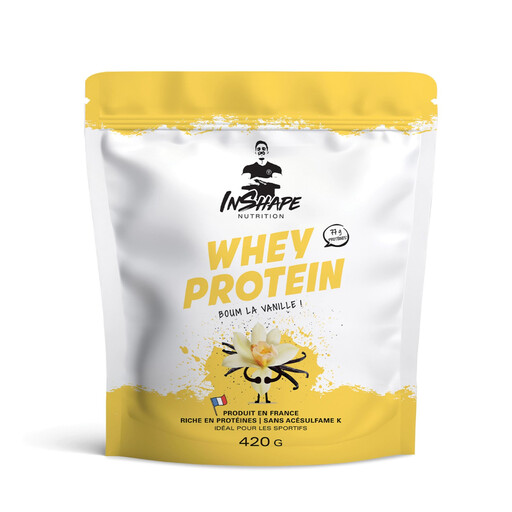
Why it is a good fit: Its 420 g format lets you try a whey protein without committing to a large tub straight away. The vanilla flavour works equally well in everyday preparations, smoothies and porridge.
The product page clearly states 23.1 g of protein, 2.6 g of sugar and 1.3 g of fat per 30 g serving.
420 g, 23.1 g of protein per serving, mixes with water or milk, manufacturer based in France.
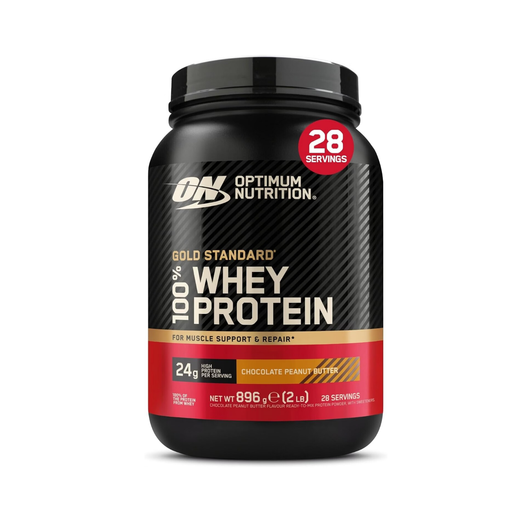
Why it is a good fit: This product is aimed at strength-training enthusiasts who want to track their intake precisely with a standardised 32 g serving.
The nutrition panel specifies 24 g of protein, 1 g of sugar and 1.3 g of fat per serving.
24 g of protein per serving, blend of isolate, concentrate and hydrolysed isolate, 28 servings.
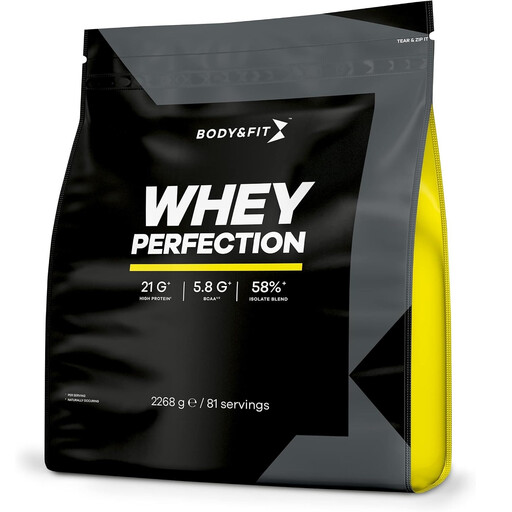
Why it is a good fit: With 81 servings, this large format is designed for athletes who use a protein supplement several times a week and want to avoid restocking too frequently.
The serving size is set at 28 g, and the product page lists 22 g of protein, 1.5 g of carbohydrates and 1.5 g of sugar.
2.26 kg, approximately 81 servings, blend of three whey sources, with no aspartame or cyclamate according to the product page.
Explore an updated selection of products that meet these criteria and choose your whey powder based on format, flavour and formula.
Post-workout protein can be consumed after a training session if it helps you reach your daily intake. There is no need to force yourself to take it within a specific few-minute window: the ideal timing depends mainly on your meals, routine and nutritional needs.
A protein powder for bulking can complement your meals, but it will not create a calorie surplus or build muscle on its own. Progress depends on training, total energy intake, sleep and overall dietary balance. If you have a medical condition, allergy or are pregnant, seek advice from a healthcare professional.
Follow the date shown on the packaging and the manufacturer’s instructions. Once opened, store the powder in a dry place at a moderate temperature and keep it in its tightly sealed container. If the smell, colour or texture changes, do not consume the product.