
Livraison le jour même ou le lendemain

Qualité garantie

Débloquez vos offres de bienvenue: Livraison GRATUITE | Jusqu'à -80 % | 30 jours d'essai gratuits à JoyPlus
Téléchargez l'application
The whey protein market is so saturated it has become a real minefield for athletes, whether they're beginners or seasoned pros. Between flashy marketing claims and tempting packaging, it's easy to get lost and regret your purchase. As a product expert at Joybuy, my mission is to help you see things more clearly. This guide focuses on 100% objective criteria to help you choose the protein powder that's right for you, far from the siren song of marketing.
Together, let's break down the most common traps and the technical points you should never overlook.
Before you even start comparing products, it's essential to know how to spot the red flags. Too many consumers get duped and throw their money down the drain because of these three classic mistakes.
To make an informed choice, three fundamental criteria are all you need. These are what define the true quality and effectiveness of a whey protein.
The difference isn't just in the name: it all comes down to the filtration process, purity level, and absorption speed.
Don't trust the per-serving number: brands can easily inflate it by increasing the scoop size. The only true benchmark is the protein content per 100g. A quality whey should have more than 75g of protein per 100g.
Also, take a look at the "of which sugars" line. A good protein powder should stay below 5g of sugar per 100g.
A short ingredients list is almost always a sign of quality. At the top of the list, you should find the protein sources (e.g., whey protein isolate, whey protein concentrate). Avoid endless lists full of thickeners (guar gum, xanthan gum...), bulking agents, or a collection of sweeteners.
Here are a few products that tick all the boxes, selected based on the objective criteria we've just discussed and tailored to different profiles.
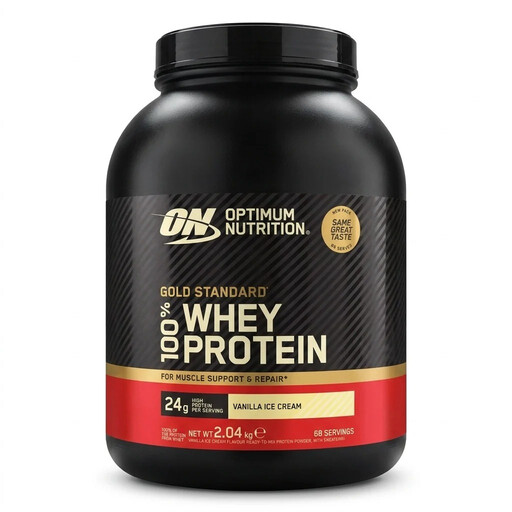
Why this product is a match for this profile: This is the gold standard for athletes who refuse to compromise on their bodybuilding protein. A true market benchmark, renowned for its consistent quality and formidable effectiveness for muscle recovery.
It avoids the "fake isolate" trap by being transparent: it's a blend, but with whey isolate as the #1 ingredient. Its low sugar content (3.3g per 100g) protects it from the trap of cloyingly sweet flavours.
High protein content: 79g per 100g. Premium blend: The combination of isolate, concentrate, and hydrolysate ensures both rapid and sustained absorption.
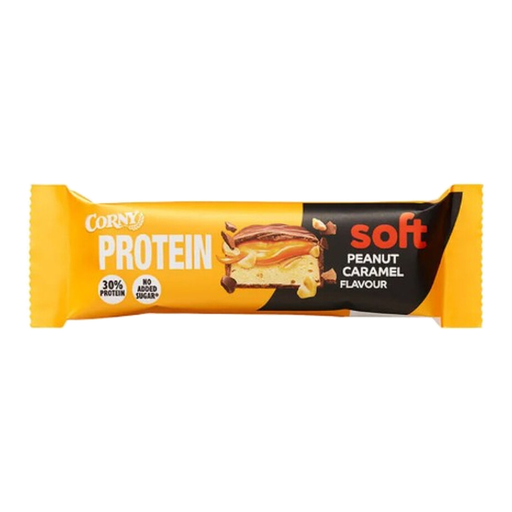
Why this product is a match for this profile: The perfect solution for a protein boost on the go, after a workout, or as a healthy snack during the day, without the hassle of a shaker.
This protein bar meets the challenge of on-the-go consumption. Unlike many 'gourmet' bars that are sugar bombs, this one maintains an excellent protein-to-sugar ratio, thanks in part to the use of sweeteners like maltitol.
Ultra-convenient: Take it anywhere, no prep needed. Good protein content: 30g per 100g, a very respectable score for a bar of this type.
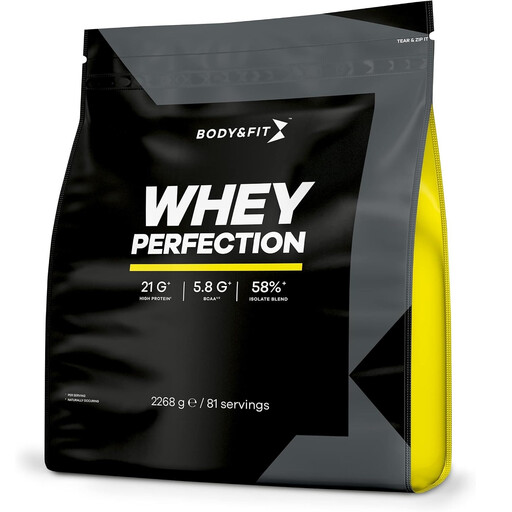
Why this product is a match for this profile: It's the ideal entry point into the world of protein. An excellent balance of quality and price, in a reasonable size that doesn't require committing to a 5kg tub. Perfect for getting started and seeing the benefits of supplementation.
It avoids the trap of overpriced 'enriched' formulas by focusing on the essentials: a proven protein blend (isolate, concentrate, hydrolysate). The composition is clear, focused on effectiveness rather than superfluous marketing additives.
Excellent value for money: 22g of protein per serving at an affordable price point. Smart composition: The blend, which contains 50% whey isolate, ensures good absorption speed.
Explore our full selection of products that meet our rigorous selection criteria and current standards.
It's all about filtration. Whey concentrate contains 70-80% protein, along with some lactose and fat. Whey isolate, on the other hand, undergoes more advanced filtration (microfiltration) to exceed 90% protein, removing almost all lactose and fat. Isolate is therefore purer, absorbs faster, and is perfectly suited for those with lactose intolerance or athletes on a strict cutting phase.
The most strategic time remains the famous "anabolic window," which is 30 to 60 minutes post-workout, to optimise muscle recovery and protein synthesis. But that's not the only time! A shaker can also be useful in the morning upon waking to break the overnight fast, or as a snack to ensure a steady protein intake and curb hunger.
Absolutely. Protein powder is still a dietary supplement. It can help you meet your daily protein requirements, for example, as part of a vegetarian diet, or for older individuals looking to combat sarcopenia (age-related muscle loss). Of course, the dosage must be adapted to your needs, which are much lower than those of an athlete. In this case, consulting a doctor or a nutritionist is always a good idea.