
Livraison le jour même ou le lendemain

Qualité garantie

Débloquez vos offres de bienvenue: Livraison GRATUITE | Jusqu'à -80 % | 30 jours d'essai gratuits à JoyPlus
Téléchargez l'application
You’re looking for whey protein to top up your daily intake, but labels often start to look very similar. Between whey isolate, whey concentrate, hydrolysed whey, promises of fast absorption and value formats, it’s easy to pay more for a difference that won’t make much difference to your routine.
Before buying protein powder, three pitfalls deserve your attention:
Always compare the information for an actual serving size, rather than looking only at the values per 100 g. In the selection below, servings generally range from 28 to 32 g and provide around 21 to 24 g of protein.
For protein intended to support muscle gain, the supplement should form part of a varied diet and regular training routine. Powder doesn’t replace meals. According to labelling compliant with authorised claims in the European Union, protein contributes to the growth and maintenance of muscle mass when overall intake is appropriate.
A formula combining isolate, concentrate and hydrolysate can therefore be suitable for versatile use. Remember to check the secondary ingredients too, including thickeners, sweeteners, flavourings and soya lecithin.
Calculate the number of servings rather than comparing only the weight of the bag. A 2 kg or larger format suits regular users, while a 300 to 450 g pack lets you try chocolate or vanilla protein powder before committing.
The products featured here contain milk and, in several cases, soya lecithin. Some may also contain traces of gluten, eggs, peanuts or nuts. If you have an allergy, rely solely on the label of the product you purchase.
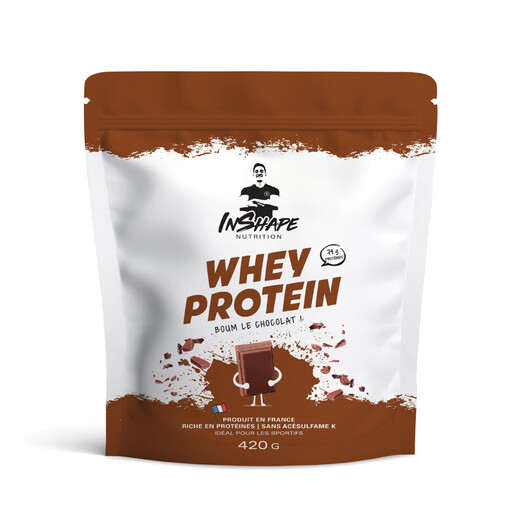
Why it suits this profile: Its 420 g format lets you try chocolate whey protein without buying a large bag. One 30 g serving provides 22.2 g of protein, according to the information supplied.
The small pack limits the risk of being left with a powder whose taste or texture you don’t enjoy.
22.2 g of protein per serving, 1.4 g of fat and 2.1 g of sugars per stated serving.
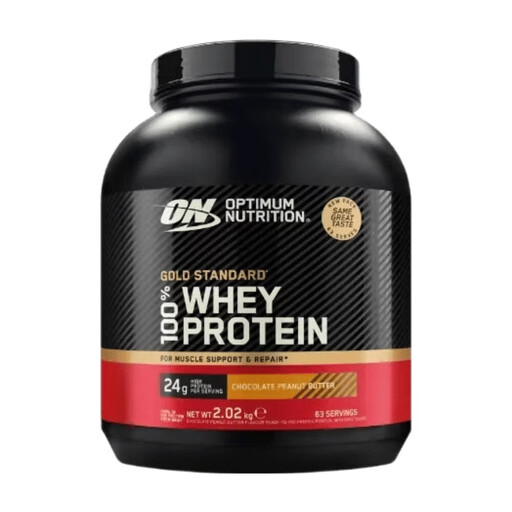
Why it suits this profile: This large format is ideal for someone who regularly has protein after training and wants to order less frequently.
The product page states the serving size and number of servings, making it easier to calculate the cost per use.
24 g of protein per 32 g serving, 63 stated servings and a blend of isolate, concentrate and hydrolysate.
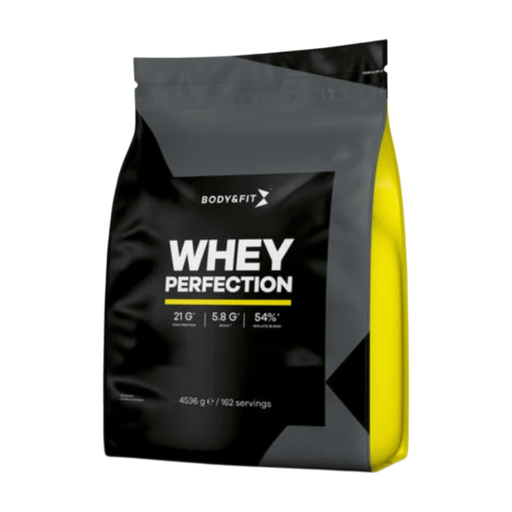
Why it suits this profile: The 4,53 kg format is aimed at regular users who prepare shakes, smoothies or protein recipes several times a week.
The stated number of servings helps you check whether the quantity genuinely matches your consumption before buying.
21 g of protein per 28 g serving, a blend of three sources and the option to use it in porridge or recipes.
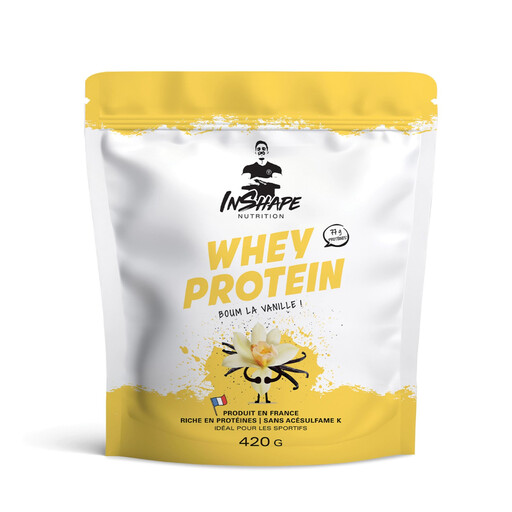
Why it suits this profile: Its vanilla flavour and compact format are ideal for people who want to vary their recipes or easily take their protein powder with them.
The nutrition table lets you compare the serving with those of other vanilla products, rather than focusing only on the flavour name.
23.1 g of protein per 30 g serving, 1.3 g of fat and 2.6 g of sugars according to the information supplied.
We’ve compiled a complete, real-time updated list of products that meet these strict selection criteria and European safety regulations.
Generally mix one scoop with water or milk, following the quantity stated on the packaging. Post-workout protein can be taken after a session, but also between meals when your diet doesn’t cover your needs for the day. The exact timing matters less than consistency in your total intake and maintaining a balanced diet.
Keep the bag or tub tightly closed, in a dry, cool place away from light. Observe the best-before date and don’t use the product if its appearance, smell or taste has changed.
The shelf life depends on the date provided by the manufacturer and the storage conditions. Powder kept dry, properly resealed and protected from heat will generally retain its sensory qualities for longer. Avoid bathrooms and damp places.
No. It can make it easier to increase your protein intake, but it doesn’t replace a varied diet or training. Results depend in particular on your programme, energy intake, rest and consistency.
Isolate is generally more highly filtered and often has a higher protein content. Concentrate may contain more lactose, carbohydrates or fat, depending on the formula. Compare the nutrition tables and ingredients list rather than relying solely on the product name.