
Livraison le jour même ou le lendemain

Qualité garantie

Débloquez vos offres de bienvenue: Livraison GRATUITE | Jusqu'à -80 % | 30 jours d'essai gratuits à JoyPlus
Téléchargez l'application
Between the promises of fast-absorbing whey protein, formulas enriched with BCAAs and those big bags at tempting prices, choosing a protein powder can quickly become a headache. Whether you do weight training, fitness, running or simply want to increase your daily protein intake, the right product depends above all on its composition, how often you use it and your personal preferences.
A 30 g serving containing 24 g of protein looks appealing. But you need to compare this figure with the content per 100 g. Brands don't all use the same reference weight: some state servings of 28 g, others 30 or 31 g. To compare two products on a fair basis, always check:
A formula that provides 22 g of protein per dose could actually work out cheaper if its packaging contains more servings and its price per gram of protein is lower.
BCAAs occur naturally in milk proteins. The mention "5.5 g of BCAAs" might sound appealing, but it doesn't on its own justify a higher price. Instead, look at the composition as a whole: protein content, amount of sugar, fat and the full ingredients list.
Flavourings, sweeteners, thickeners and emulsifiers also affect taste and texture. A short ingredients list isn't necessarily the best for everyone, but a clear composition lets you make an informed choice.
Whey is made from milk. The products featured here therefore contain milk proteins, and several also include soya lecithin. Depending on the product, traces of gluten, eggs, peanuts or tree nuts may also be present.
Before ordering, check the label on the batch you receive, especially if you have an allergy or lactose intolerance, if you are pregnant, if you are taking medication or if you follow a specific diet. A protein supplement should never replace a varied, balanced diet.
For daily use, a serving providing around 20 to 24 g of protein is common among whey concentrates and whey blends. Whey isolate undergoes more thorough filtration. It generally has a higher protein content and fewer carbs and fats, but its price is often higher.
Compare the nutritional values rather than the marketing claims. The INSHAPE NUTRITION Vanilla Whey 420 g, for example, provides 23.1 g of protein per 30 g serving, with 1.3 g of fat and 2.6 g of sugar. The chocolate version provides 22.2 g of protein per serving, with 1.4 g of fat and 2.1 g of sugar.
A small bag lets you try a flavour or easily carry a single dose. Larger formats can sometimes lower the price per serving, but they require a bigger budget at the time of purchase and take up more space. Before deciding a whey is cheap, calculate its price per dose or per 100 g.
For occasional use, a 300 to 500 g format may be enough. If you have a shaker after every workout, a 2 kg bag or larger saves you from ordering repeatedly. In any case, seal the packaging carefully and store the powder in a cool, dry place away from light.
Vanilla whey, chocolate whey and strawberry whey don't all give the same mouthfeel. Cocoa can thicken the mix, while very sweet flavours might become tiresome over the weeks.
Most products mix with 180 to 250 ml of water or milk. Water generally keeps the calories down; milk gives a creamier texture and adds nutrients. Stick to the recommended dose on the packaging rather than adding multiple scoops.
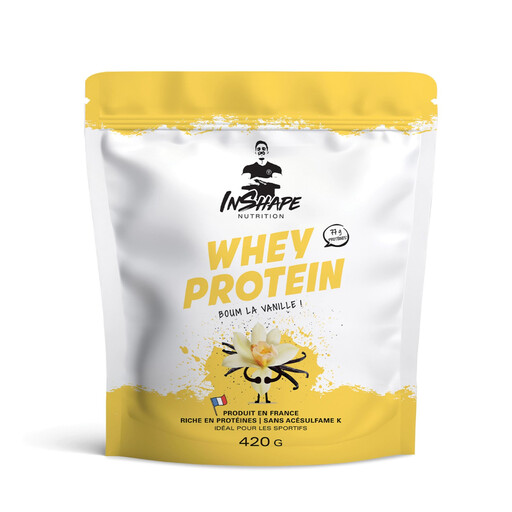
Why this choice suits this profile: At 420 g, this product lets you try vanilla whey without committing to a large tub straight away.
The product page clearly details the nutritional values per 30 g serving: 23.1 g of protein, 1.3 g of fat and 2.6 g of sugar.
Milk proteins, can be mixed with water or milk, vanilla flavour and a clearly defined 30 g serving.
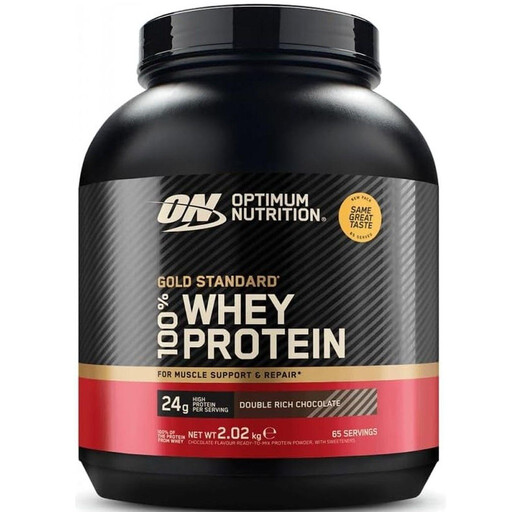
Why this choice suits this profile: This large tub is aimed at regular athletes who make several shakes a week and want to space out their reorders.
The packaging states approximately 65 servings. You can therefore calculate the price per shake, rather than just relying on the price on the tub.
According to the product page, a 30 g serving provides 24 g of protein and 5.5 g of naturally occurring BCAAs.
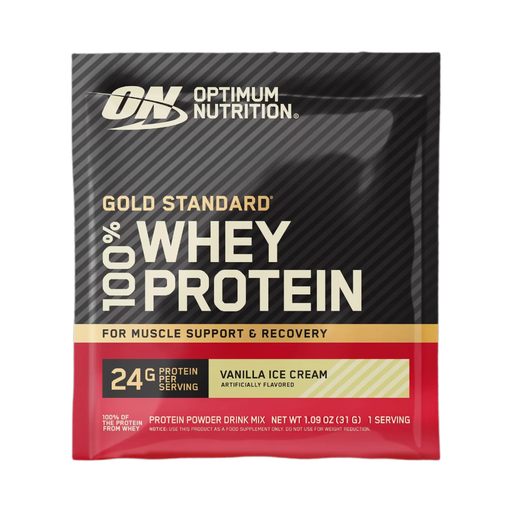
Why this choice suits this profile: The individual sachets slip easily into a gym bag, desk drawer or suitcase, without having to carry a large tub.
Each dose is pre-portioned at 31 g, which limits measuring errors and powder waste when you're on the go.
Each sachet contains 24 g of protein and mixes in a glass with a spoon. The presence of milk and soya should however be taken into account.
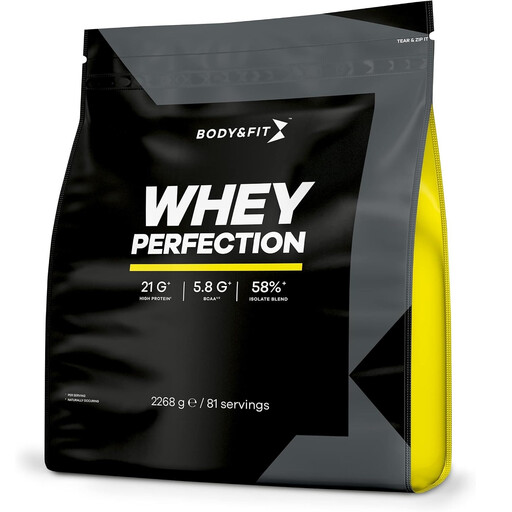
Why this choice suits this profile: With around 81 servings, this format suits regular users who also want to add their whey to smoothies, porridge or homemade recipes.
The product page states 22 g of protein and 100 kcal per 28 g serving, making it easy to track your daily intake.
A blend of isolate, concentrate and hydrolysate, with 5 g of naturally occurring BCAAs per serving according to the information provided.
We've put together a comprehensive, real-time selection of products that meet these exacting criteria, while also taking European safety regulations into account.
Whey can be consumed after training, at breakfast or between meals, depending on how you organise your diet. The exact timing matters less than the total amount of protein you consume over the day. For bulking, it can supplement meals when they don't cover the needs established with a professional. To preserve muscle mass, it remains a practical solution, without being intended to replace your usual protein sources.
One serving as per the manufacturer's instructions is generally enough. The products featured here often provide between 22 and 24 g of protein per dose. Adjust the amount to your diet, your activity and your goals, without exceeding the recommendations stated on the packaging.
Follow the date on the product and the recommended storage conditions. After opening, keep the powder in a well-sealed container, in a dry place away from heat and light. Powder that has become damp, clumped together or changed in smell should not be consumed.
No. A whey concentrate or blend can work perfectly well if its protein content, price and tolerance suit your needs. Isolate can be useful if you're looking for a more filtered formula or one lower in carbs and fats. In any case, rely on the nutritional values rather than just the product name.