
Livraison le jour même ou le lendemain

Qualité garantie

Débloquez vos offres de bienvenue: Livraison GRATUITE | Jusqu'à -80 % | 30 jours d'essai gratuits à JoyPlus
Téléchargez l'application
Are you looking for a whey protein to supplement your diet, support your workouts or aid your recovery after exercise? Between the promises of rapid absorption, indulgent flavours and XXL tubs, it’s easy to pay for marketing hype that doesn’t really match your needs.
Before buying a protein for muscle gain, three common pitfalls keep cropping up:
Whey concentrate retains more of the components naturally found in milk. It’s often a straightforward way to increase your daily protein intake, especially if its carbohydrate and fat content fits with your diet.
Whey isolate undergoes more thorough filtration. It typically has a high protein content and lower levels of carbs and fats. It can suit people who track their macronutrients closely, as long as you read the full label.
Some products combine whey isolate, whey concentrate and whey hydrolysate. The idea? To bring together several protein sources in one powder. Hydrolysate is a pre-fragmented protein, but its real benefit depends on the formula, the price and your digestive tolerance.
Always start by looking at the figures per serving, then work out the cost of each dose. For a muscle-building protein, check in particular:
By way of comparison, the products shown below provide around 21 to 24 g of protein per serving, with serving sizes that vary by brand. To compare properly, work out the products based on an equivalent serving weight rather than just relying on the percentage highlighted on the front.
Proteins contribute to the growth and maintenance of muscle mass as part of a varied diet and a healthy lifestyle. A whey is still a protein food supplement, not a replacement for a balanced diet.
A 310 to 465 g bag limits the risk of waste and lets you try a flavour without too much commitment. 2 kg or larger tubs often bring the cost per serving down, but they only make sense if you use them regularly.
Chocolate whey protein has versatility on its side: it mixes with water or milk, but can also be added to porridge or a smoothie. Depending on your dietary requirements, check for milk, soya, gluten, traces of peanuts or tree nuts.
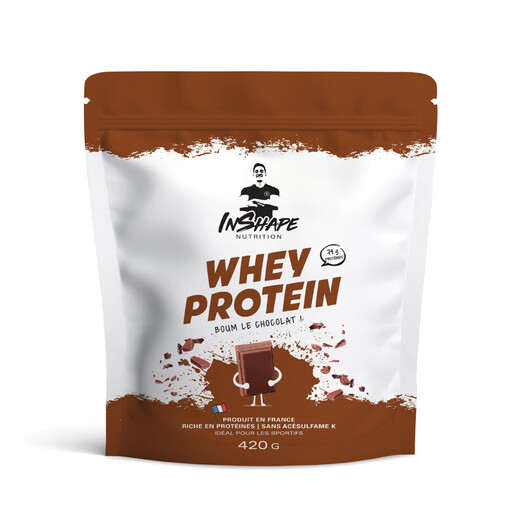
Why this choice suits this profile: At 420 g, this size lets you get started without committing a big budget. A 30 g serving provides 22.2 g of protein, 2.1 g of sugars and 1.4 g of fat.
The net weight and recommended serving are clearly stated. You can easily estimate the number of shakes before moving to a larger pack.
Chocolate flavour, mixes with water or milk, 22.2 g of protein per serving and stated presence of fast-absorbing milk proteins.
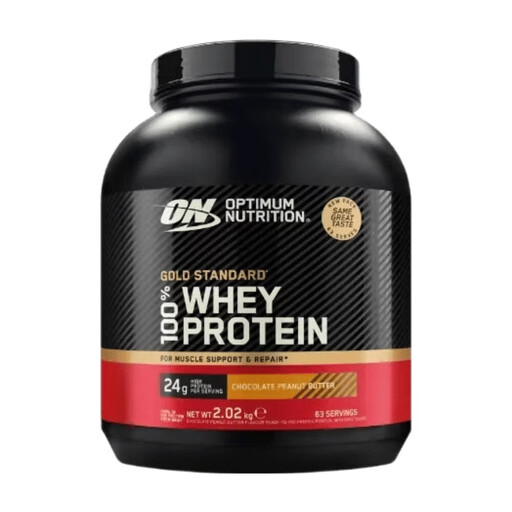
Why this choice suits this profile: With 2,020 g and 63 servings, this large tub is aimed at those who regularly have a protein shake after training or between meals.
The composition details a blend of isolate, concentrate and hydrolysate. Each serving provides 24 g of protein, 1.3 g of fat and 1 g of sugars.
24 g of protein per 32 g serving, 63 servings and Chocolate Peanut Butter flavour. Contains milk and soya lecithin.
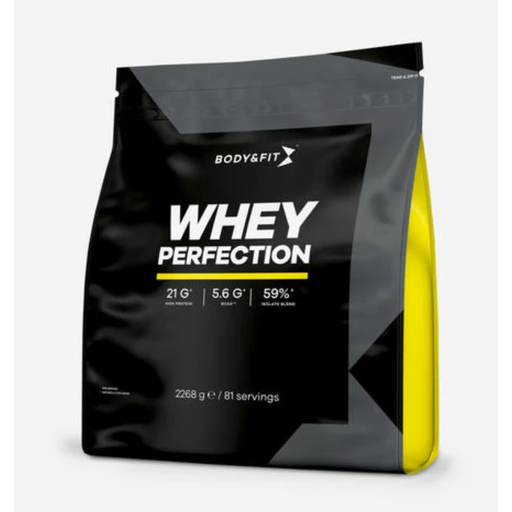
Why this choice suits this profile: Its 81 servings are ideal for regular use. The powder can be made into a drink, but also added to porridge, smoothies or homemade recipes.
The label shows 22 g of protein, 0.8 g of sugars and 0.8 g of fat per 28 g serving. That lets you compare the formula precisely against your goals.
Blend of isolate, concentrate and hydrolysate, 81 servings and chocolate-hazelnut flavour. Declared allergens: milk and soya.
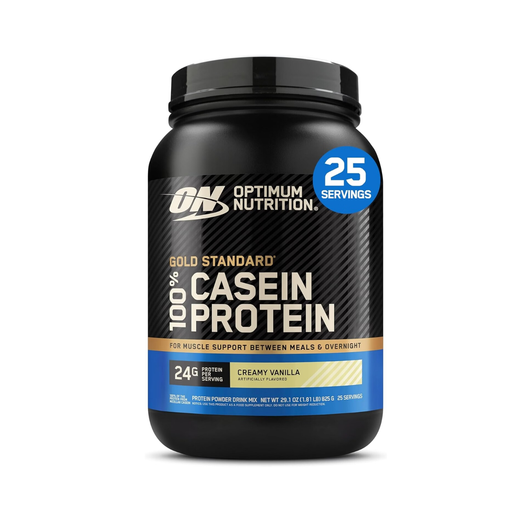
Why this choice suits this profile: Casein is a slower-digesting protein, often chosen before a long period without food, for example in the evening or between meals.
Its use is not confused with that of a fast-absorbing whey. A 33 g serving provides 24 g of protein and just 0.6 g of fat.
Micellar casein, 24 g of protein per serving and 684 mg of calcium stated per dose. Contains milk and soya.
We’ve selected a full list, updated in real time, of products that meet these exacting criteria and European safety standards.
You can have it after your workout, at breakfast or between meals, depending on your schedule and needs. The exact timing generally matters less than your total protein intake over the day and the consistency of your diet.
Go by the date on the packaging. After opening, seal the container carefully and store it in a cool, dry place away from light. Powder exposed to moisture can form clumps and become less pleasant to use.
A low-sugar whey can help you manage your carbohydrate intake more easily, but it isn’t automatically right for everyone. Check the sweeteners, allergens, lactose content and overall composition of the product. If you have an allergy, are on medication or have a specific condition, ask a healthcare professional for advice.