
Livraison le jour même ou le lendemain

Qualité garantie

Débloquez vos offres de bienvenue: Livraison GRATUITE | Jusqu'à -80 % | 30 jours d'essai gratuits à JoyPlus
Téléchargez l'application
Are you looking for a whey protein to supplement your diet, but finding that the packaging all makes similar promises: fast absorption, high BCAA content, low sugar, or an "advanced" blend? These claims aren't always enough to tell a powder that's genuinely right for your needs from a purchase that offers poor value for money.
Three common pitfalls to watch out for:
Start by comparing the value stated for one serving, not just the figure per 100 g. In the selection featured here, Optimum Nutrition products typically provide 24 g of protein per dose, while the INSHAPE NUTRITION Vanilla Whey offers 23.1 g per 30 g of powder.
This information makes it easy to estimate how many servings you'll need to top up your daily intake. Protein contributes to the maintenance and growth of muscle mass as part of a varied diet and an appropriate training programme. A protein powder is therefore not a replacement for whole foods or a structured workout plan.
A formula may combine several sources of protein derived from milk:
Read the ingredients list carefully, especially if you have an allergy or intolerance. The products shown contain milk, and several references also contain soya, notably in the form of lecithin used as an emulsifier.
Choosing between whey sachets, a small tub or a large 2 kg tub depends mainly on how often you consume it and your practical constraints.
To compare prices, divide the price by the number of servings stated on the label. Also check the actual weight of one dose: it can vary from 30 to 31 g depending on the product.
The cards below match real-world uses with the stated nutritional information and the precautions to take before buying.
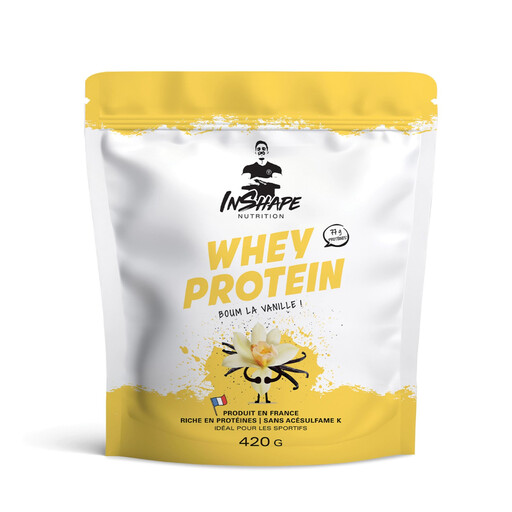
Why this choice suits this profile: its 420 g tub lets you try a vanilla whey before moving on to a larger pack. Each 30 g serving provides 23.1 g of protein, with 1.3 g of fat and 2.6 g of sugar stated.
The weight and dosage are clearly stated, making it easy to calculate the number of servings and avoid overestimating how long the tub will last.
23.1 g of protein per serving, can be mixed with water or milk, and a compact 420 g tub.
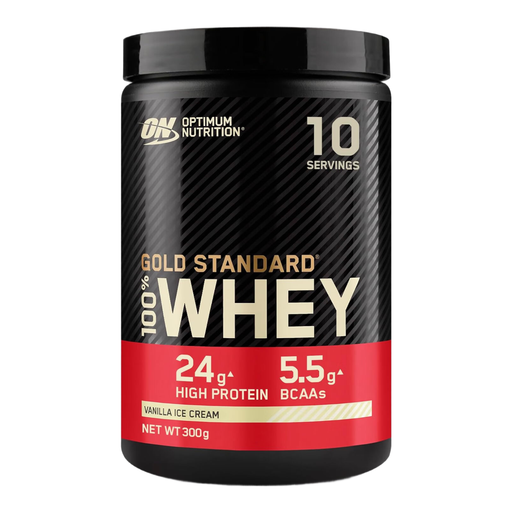
Why this choice suits this profile: this product combines isolate, concentrate and hydrolysed isolate. It's aimed at athletes who care about the detail of the ingredients and want to try the formula in a small pack.
The 300 g tub limits the risk of buying a large quantity of a flavour you might not end up liking. The label states 24 g of protein per serving and around 113 kcal.
24 g of protein, 5.5 g of naturally occurring BCAAs, and easy to mix with 180 to 240 ml of liquid.
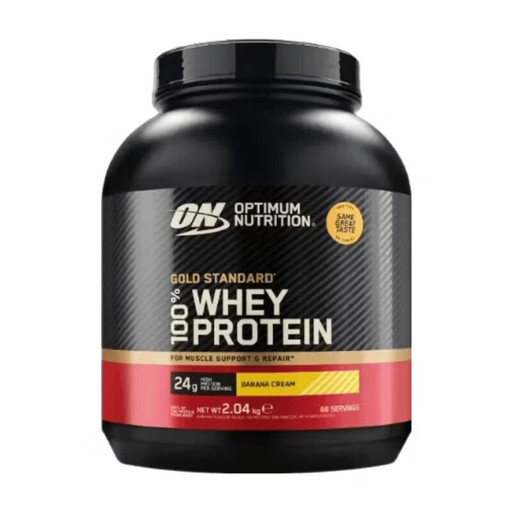
Why this choice suits this profile: with 68 servings stated, this large tub is designed for people who have a protein shake after training several times a week and want to avoid frequent reordering.
The number of servings is stated alongside the total weight. This allows you to estimate your monthly consumption before opting for a 2 kg whey.
24 g of protein per serving, 1.2 g of fat and 1.6 g of carbohydrates stated per 30 g.
We've put together a comprehensive, real-time selection of products that meet these exacting criteria, while complying with European safety regulations.
A serving of whey is usually mixed with 180 to 240 ml of water or milk, depending on the consistency you prefer. You can have it after your workout, in the morning or between meals, as part of your overall diet. The timing of your shake won't make up for an insufficient daily intake or an unbalanced diet.
Store the powder in a cool, dry place away from light. Seal the container carefully after each use and check the best-before date and batch number. Anyone with a milk or soya allergy should check the ingredients list before buying. If you have a medical condition, are on medication, are pregnant or breastfeeding, seek advice from a healthcare professional.
No. It can help top up the protein intake of active people, whether they are runners, fitness enthusiasts or team-sport players. The right amount depends on your diet, activity level and individual goals.
Whey isolate is generally more concentrated in protein and often contains less lactose, carbohydrates or fat, depending on the formula. To compare two products properly, only the nutritional table on the label is definitive.
They are mainly convenient for travel, the office or on the go. However, their cost per serving can be higher than that of a large tub. Before choosing, compare the total price, the weight of each sachet and the number of doses.