
Livraison le jour même ou le lendemain

Qualité garantie

Débloquez vos offres de bienvenue: Livraison GRATUITE | Jusqu'à -80 % | 30 jours d'essai gratuits à JoyPlus
Téléchargez l'application
Choosing a whey protein isn’t just about comparing flavours and the deals printed on the packet. Between blends of multiple protein sources, XXL tubs and promises of rapid absorption, some products are really just selling their marketing.
For athletes, bodybuilders, sportspeople and active adults, the criteria that actually matter are fairly straightforward: the amount of protein per serving, the ingredients, the format and how easy it is to use day to day.
A multi-kilo bag isn’t necessarily a bargain. Check the number of servings, the weight of one scoop and the amount of protein provided per serving. A powder that delivers 22 to 24 g of protein for a serving of around 28 to 32 g is much easier to assess than a simple “large format” claim.
To compare prices, work out the cost per serving or per 100 g of protein instead. That way, you won’t overestimate the value of a bulky package.
Whey isolate is a whey protein that is generally more concentrated after filtration. However, many products combine isolate, concentrate and hydrolysate. This blend isn’t a problem in itself: the key is to check the proportion of each source and the full ingredient list.
Sweeteners, thickeners, flavourings and soya lecithin can also affect the taste and digestive tolerance. If you have an allergy, check the allergens listed on the label carefully: milk and soya are often involved.
A 2 to 4 kg bag can lower the cost per serving, but it takes up space and commits you for several weeks. If you’re trying a new brand or flavour, a 300 to 900 g bag, or even individual sachets, lets you test the mixability and taste before moving to a larger pack size.
A protein powder designed to supplement your diet typically provides 20 to 24 g of protein per serving. Always compare the values on the same basis: per serving and per 100 g. The calories, carbohydrates, sugars and fats also give useful clues, especially if you’re looking to build mass or manage your energy intake.
Also remember to read the ingredient list in order of appearance. A high protein content doesn’t mean you can skip checking for sweeteners and allergens.
A large bag is best suited to regular users who already know the flavour they like. Individual sachets, on the other hand, are particularly handy at the office, on the go or at the gym. For a between-meals shake, how easily it mixes with water or milk can matter more than a promise of rapid absorption.
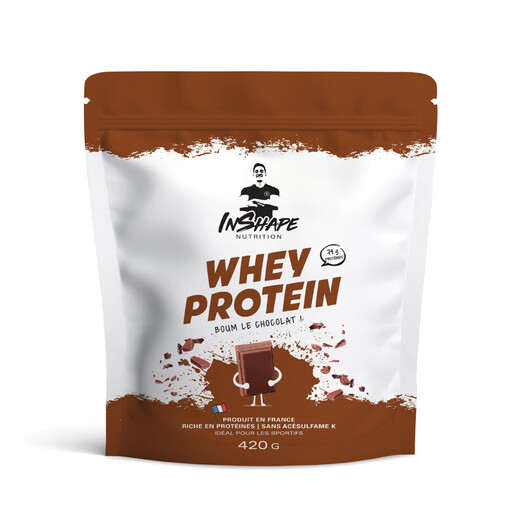
Why this choice suits this profile: At 420 g, this size lets you try a protein powder without committing to several kilos straight away. The stated serving provides 22.2 g of protein per 30 g of powder, with a chocolate flavour.
The small pack size limits the risk of being stuck with a large bag after a bad experience with taste or mixability.
22.2 g of protein per serving, 1.4 g of fat and 2.1 g of sugars per serving, according to the information provided.
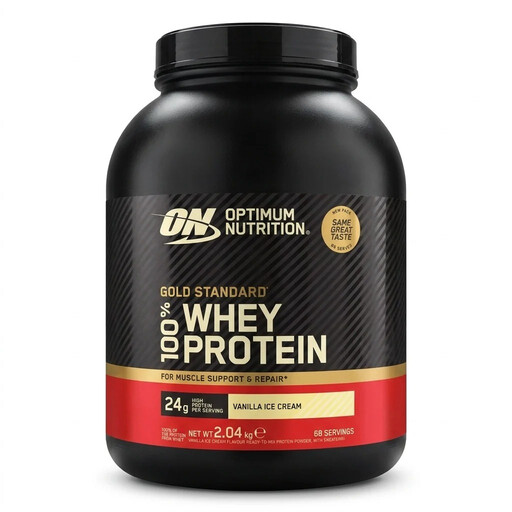
Why this choice suits this profile: This large tub is aimed at regular users who want to make whey a lasting part of their routine, with a vanilla flavour and a standardised serving.
The label states 24 g of protein, 1.3 g of fat and 1 g of sugars per 30 g serving: the data is therefore easy to compare.
Blend of whey isolate, concentrate and hydrolysed isolate; 79 g of protein per 100 g, according to the label provided.
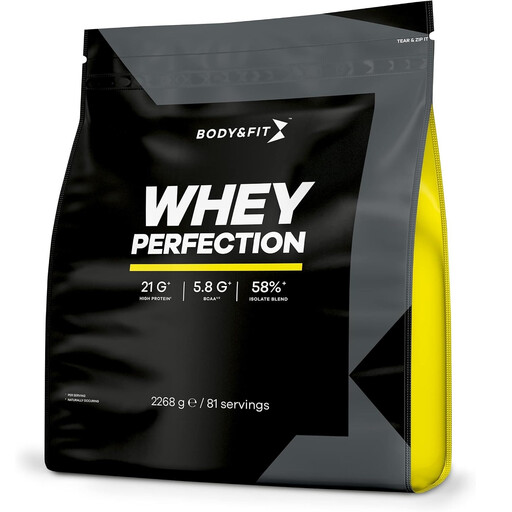
Why this choice suits this profile: With approximately 81 servings, this size is ideal for people who regularly use a protein supplement and want to minimise reordering.
The approximate number of servings and the 28 g scoop make it easier to estimate the cost of use over several weeks.
22 g of protein and 5 g of naturally occurring BCAAs per serving, with a blend of isolate, concentrate and hydrolysate.
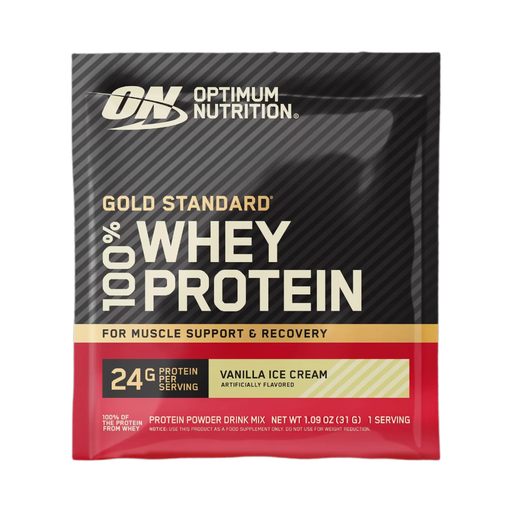
Why this choice suits this profile: The individual 31 g sachets slip easily into a gym bag, desk drawer or suitcase. No need to carry a large tub around.
Each serving is already portioned: you minimise measuring errors and avoid handling a large bag outside the house.
24 g of protein per sachet. The powder mixes with water, milk or another drink, without needing to carry a large scoop.
We’ve compiled a full, real-time updated selection of products that meet these strict criteria as well as European safety standards.
Generally, mix one serving with the amount of water or milk stated on the packaging. A post-workout protein can help top up your daily intake, but it doesn’t replace a varied diet. The best time to take it depends mainly on your schedule and your dietary needs.
Seal the bag or tub carefully, then store it in a cool, dry place away from light. Observe the best-before date, the recommended dosage and any warnings on the packaging. If you have an allergy, are on medication, pregnant or breastfeeding, consult a healthcare professional.
It all depends on your diet, your weight, your physical activity and your goal. Follow the serving size indicated by the manufacturer and use whey as a supplement, never as a substitute for a balanced diet. Depending on the product, the packs shown generally recommend one to three servings per day.
It can help you reach your daily protein target more easily when diet alone isn’t enough. However, bulking depends on your overall energy intake, your training, your sleep and your consistency. A protein powder doesn’t replace a personalised nutrition plan.
Follow the date on the packaging and the manufacturer’s instructions. After opening, keep the powder tightly sealed, dry and away from moisture. An unusual smell, a changed texture or persistent clumps should make you avoid consuming the product.