
Livraison le jour même ou le lendemain

Qualité garantie

Débloquez vos offres de bienvenue: Livraison GRATUITE | Jusqu'à -80 % | 30 jours d'essai gratuits à JoyPlus
Téléchargez l'application
Are you looking for whey protein to supplement your diet, prepare a post-workout shake, or easily increase your daily protein intake? With whey concentrate, whey isolate, protein blends, large tubs and individual sachets, the choice can quickly become overwhelming.
Some marketing claims also deserve a closer look. A powder marketed as "rapidly absorbed" isn't necessarily the best fit for your needs. And a large tub loses its appeal if the flavour eventually puts you off or the ingredients don't suit your diet. Here are the criteria to consider before placing an order, along with a selection of products available on Joybuy.
A high protein content is a useful point of comparison between two products, but it doesn't tell the whole story. Also check the recommended serving size, as well as the amounts of carbohydrates, sugars and fats per dose. A whey showing 79 g of protein per 100 g might, for example, provide around 24 g in a 30 g serving. However, the figures can vary depending on the recipe and flavour.
Whey isolate is generally more filtered than whey concentrate. It may suit those looking to reduce their intake of certain carbohydrates or fats, but it often costs more. A blend combining isolate, concentrate and hydrolysed whey can offer a good compromise between texture, price and nutritional profile.
Tolerance also varies from person to person. The products featured here contain milk, and several also contain soya lecithin. Always check the full allergen list before ordering.
A bag over 2 kg often works out cheaper per serving, but it's a significant commitment. A chocolate whey, vanilla or strawberry can vary hugely in texture and intensity from one brand to another. For a first try, a 300 g to 780 g tub or a few individual sachets let you check whether the product suits you before stocking up.
To compare products fairly, use a consistent baseline: powder weight, protein content, calories and sugars. The selected products typically provide between 22 and 24 g of protein per serving, depending on the dosage stated on the packaging.
The term BCAA refers to leucine, isoleucine and valine – three amino acids naturally present in dairy proteins. A whey rich in BCAAs can form part of your overall protein intake, but it doesn't replace a varied and balanced diet.
Look at the order of ingredients: whey isolate, concentrate, hydrolysate, flavourings, thickeners and sweeteners. The recipe can change from one flavour to another. A Cookies & Cream version might, for example, contain gluten, while another product in the same range will have a different ingredients list.
Anyone sensitive to lactose, milk or soya should pay close attention to the labelling. If you have a known allergy or a specific health condition, seek advice from a healthcare professional.
To work out the real cost, divide the product price by the number of servings stated. A 2 kg tub is ideal for regular use, while a 30 g or 31 g sachet is easy to slip into a gym bag. Instructions usually recommend mixing the powder with 180 to 250 ml of water or milk – adjust the liquid amount to achieve your preferred texture.
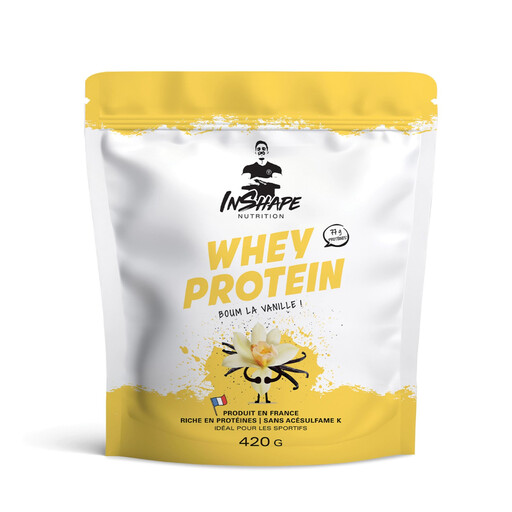
Why this might suit you: At 420 g, this size lets you try a vanilla whey without committing to a large bag straight away. Each 30 g serving provides 23.1 g of protein.
This smaller size reduces waste if the flavour or texture doesn't win you over.
23.1 g of protein per serving, 1.3 g of fat, and can be mixed with water or milk.
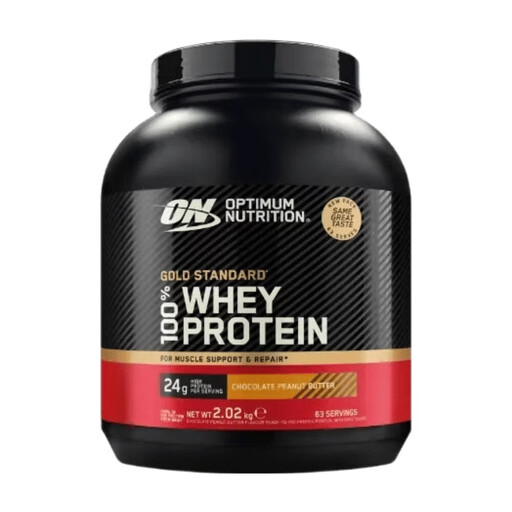
Why this might suit you: This large tub is aimed at regular gym-goers who want a chocolate whey that will last several weeks.
The listing states 63 servings and specifies the three whey sources, rather than relying on a quick-absorption claim.
24 g of protein and 117 kcal per 32 g serving, with isolate, concentrate and hydrolysed isolate.
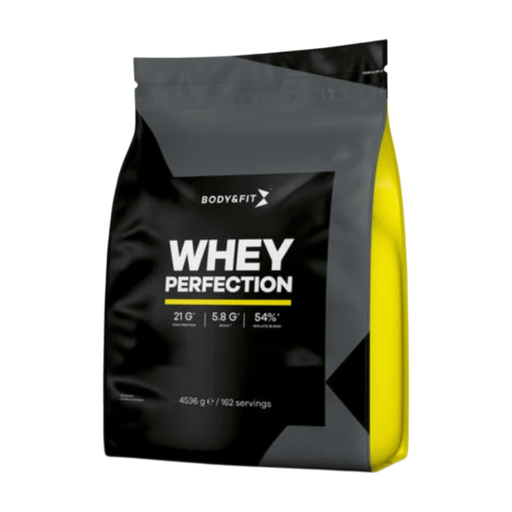
Why this might suit you: With around 162 shakes stated, this pack is designed for heavy users, regular athletes and households sharing their whey.
The number of servings and the 28 g dosage make it easy to estimate the cost per shake before buying.
A blend of isolate, concentrate and hydrolysate, with 21 g of protein per serving according to the listing.
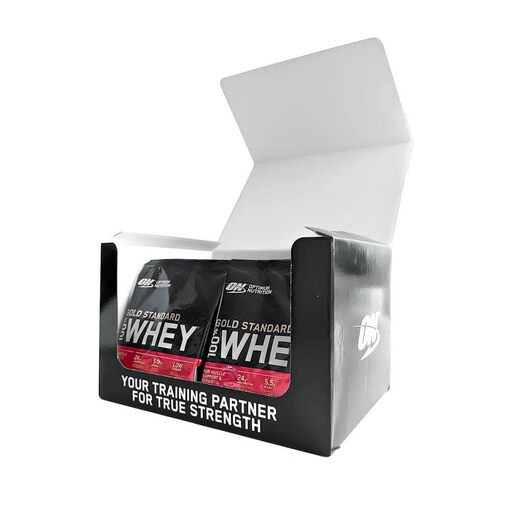
Why this might suit you: Individual portions slip easily into a gym bag, desk drawer or suitcase, without needing to carry a large tub.
The pre-measured dosage removes guesswork and limits the powder's exposure to moisture after opening.
24 g of protein per sachet, and can be mixed in a glass with a spoon.
We've selected a full range, updated in real time, of products that meet these criteria as well as European safety standards.
Generally, mix one serving with 180 to 250 ml of water or milk, following the instructions on the packaging. Having your shake after your session can be convenient, but the exact timing matters less than getting a consistent protein intake throughout the day. You can also add the powder to porridge, a smoothie or a recipe, if the label allows.
Stick to the recommended dosage and don't use a protein supplement as a substitute for a varied diet. Seal the sachet or tub carefully after each use and store it in a cool, dry place away from direct light.
No. It can supplement the diet of athletes, runners, fitness enthusiasts or active adults who struggle to meet their daily protein needs through meals alone. It remains a food supplement and does not replace a balanced diet.
Isolate is generally more filtered and may contain fewer carbohydrates and fats, depending on the recipe. Concentrate is often more affordable. To compare the two, look at the nutritional values per serving and the ingredients list rather than relying solely on the product name.
Refer to the date on the packaging and the manufacturer's recommendations. Seal the container carefully after each use and store it in a dry place. If the powder noticeably changes in smell, colour or texture, it's best not to consume it.