
Livraison le jour même ou le lendemain

Qualité garantie

Débloquez vos offres de bienvenue: Livraison GRATUITE | Jusqu'à -80 % | 30 jours d'essai gratuits à JoyPlus
Téléchargez l'application
Buying whey protein seems straightforward… until you start comparing ingredients, formats and the claims printed on the packaging. Between overly sweet powders, large tubs that don’t match your consumption habits, and the sometimes blurry differences between isolate and concentrate, certain mistakes can quickly add to the bill.
Before you choose a whey powder, take the time to check three things: the actual protein content per serving, the ingredient list, and the format that fits how often you use it. An attractive tub or a popular flavour — vanilla whey, chocolate whey or strawberry whey — isn’t enough to judge whether a protein supplement is right for you.
A 2 kg bag doesn’t necessarily contain twice as much usable protein as another product. Instead, look at the “protein per 100 g” line, as well as the amount per serving. Some products provide around 22 to 24 g of protein per 28 to 31 g serving, while others contain more carbohydrates, fats or flavourings.
The cost per serving is often more telling than the price on the label. A large tub can lower the unit price, but only if you regularly use protein as part of your training.
Terms like “isolate”, “hydrolysed” or “fast absorption” can push the price up. Yet the right choice depends mainly on your tolerance, your dietary needs and your budget.
Most whey powders are made from milk. Some also contain soya lecithin, while the possible presence of traces of gluten, eggs, peanuts or tree nuts varies between products. Check the label before you buy, especially if you have a known allergy or intolerance.
Sweeteners can also affect the taste and digestive tolerance. A short, clearly detailed ingredient list makes it easier to compare products.
To compare two products, use the same basis: protein per 100 g, then protein per serving. For example, the INSHAPE NUTRITION Whey Choco product states 74 g of protein per 100 g and 22.2 g per 30 g serving. The vanilla version states 77 g per 100 g and 23.1 g per 30 g serving.
These figures are not a medical recommendation. Proteins contribute to the maintenance and growth of muscle mass as part of a varied diet and appropriate physical activity, in line with authorised EU health claims.
A whey designed to supplement your daily intake is more practical when it provides a known amount of protein without excess sugars or fats. The INSHAPE chocolate whey shows 1.4 g of fat and 2.1 g of sugars per 30 g serving. The vanilla version shows 1.3 g and 2.6 g respectively.
Always compare values per serving, but also per 100 g, because serving sizes can vary from one manufacturer to another.
A small 400 to 500 g bag lets you test a flavour or texture without committing a large budget. Formats of 2 kg or more can suit regular users, provided you have a dry storage space and can use the powder before the best-before date on the pack.
Preparation is usually very simple: pour one serving into 180 to 300 ml of water or milk, then mix in a protein shaker. The amount of liquid affects the texture, but not the nutritional content of the powder.
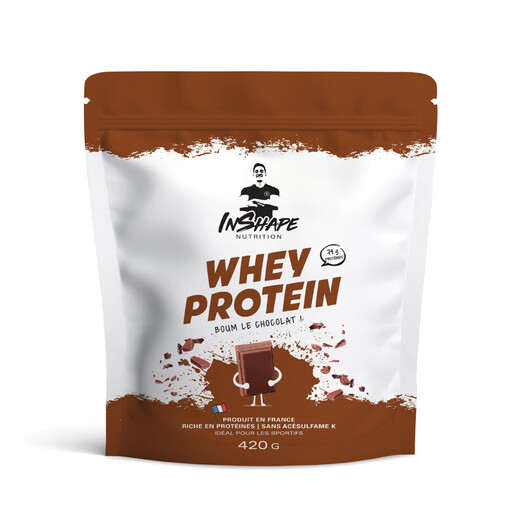
Why this choice suits this profile: Its 420 g format keeps the initial investment low and lets you try a chocolate whey as part of your daily diet.
The protein content per serving is clearly stated: 22.2 g of protein per 30 g, with 2.1 g of sugars and 1.4 g of fat.
30 g serving, can be mixed with water or milk, milk-derived proteins and chocolate flavour.
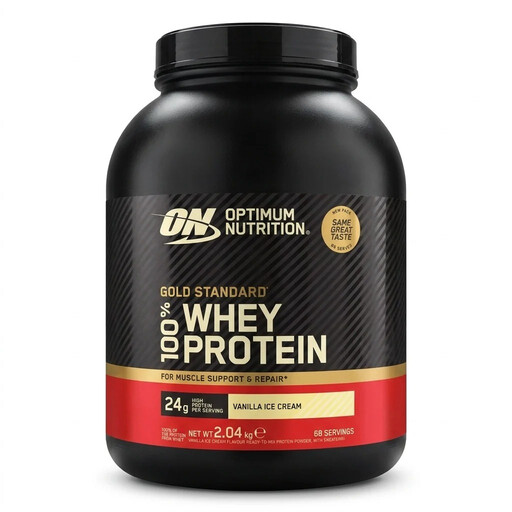
Why this choice suits this profile: This large tub is aimed at regular gym-goers who want to maintain a protein routine after training or between meals.
The product page details the blend of isolate, concentrate and hydrolysed isolate, rather than just making a vague claim about fast absorption.
24 g of protein per 30 g serving, approximately 1 g of sugars and 1.3 g of fat per serving according to the product page.
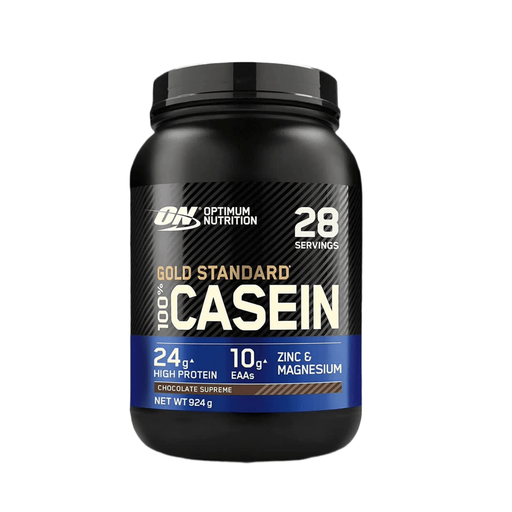
Why this choice suits this profile: Casein is for those looking for a different protein source from whey, particularly in the evening or for making recipes.
The product page clearly states it is slow-digesting micellar casein: it is therefore not a replacement for a fast-absorbing whey.
24 g of protein per 33 g serving, 0.8 g of fat and 1.1 g of sugars per serving according to the product page.
We’ve put together a comprehensive, real-time list of products that meet these strict selection criteria and comply with European safety regulations.
Whey can be consumed after a workout, but also at breakfast or between meals when your diet alone doesn’t cover your protein needs. The timing matters less than your overall routine and total dietary intake.
Always follow the date on the packaging and seal the bag or tub carefully after each use. Store the powder in a cool, dry place away from light. If the powder has absorbed moisture, changed smell or formed unusual clumps, do not consume it.
It can help increase your protein intake, but it isn’t enough on its own for building mass. Results also depend on your total energy intake, training, sleep and consistency. Check the serving sizes and choose a format that matches your actual consumption to avoid unnecessary purchases.