
Livraison le jour même ou le lendemain

Qualité garantie

Débloquez vos offres de bienvenue: Livraison GRATUITE | Jusqu'à -80 % | 30 jours d'essai gratuits à JoyPlus
Téléchargez l'application
You’re looking for a whey protein to supplement your diet, but the labels often end up looking the same. Between promises of rapid absorption, overly sweet flavours and XXL bags, it’s easy to pay for features that won’t make any real difference to your daily routine.
To make the right choice, focus on three things: the amount of protein per serving, the actual ingredients, and the format that fits your lifestyle. Here are the criteria to check before buying a whey for bodybuilding, a ready-to-drink shake or a protein powder.
A 2 kg bag isn’t necessarily better value than a smaller tub. Instead, compare the number of grams of protein per serving, as well as the total number of servings. A formula providing 22 to 24 g of protein per dose will suit many uses, but this value needs to be considered against the actual serving weight.
Also take a look at the nutritional table per 100 g. This is the most reliable way to compare two products, even when their scoops are different sizes.
Whey isolate is generally more filtered than whey concentrate. Some blends combine isolate, concentrate and hydrolysed whey. However, a more sophisticated recipe isn’t automatically better suited to your needs.
Check the ingredient order, protein content, carbohydrates, fats and sweeteners. For regular use, taste and how easily it mixes often matter just as much as the technical spec.
Most whey proteins are made from milk proteins. Some also contain soya lecithin or may have traces of other allergens. The phrase “lactose-free” doesn’t mean “milk-free”: always check the ingredient list and declared allergens.
If you’re looking for a lactose-free protein, choose a product that clearly states this on its packaging. If you have an allergy, a significant intolerance, are pregnant or are on medication, seek advice from a healthcare professional before starting.
To compare two protein powders effectively, note:
Nutritional claims should be seen in context. In Europe, the statement that proteins contribute to the growth and maintenance of muscle mass is regulated and subject to certain conditions of use. A whey protein remains a protein food supplement, not a substitute for a varied diet.
Powder is convenient at home, at the office or after a session, as long as you have a shaker to hand. A ready-to-drink protein shake requires no preparation and slips easily into a bag. A protein bar can work as a snack, but its recipe sometimes contains polyols, fats or collagen – so don’t just look at the protein number.
Casein has a different texture and use to whey. It’s often taken in the evening or between meals, whereas a whey shake fits easily around your workout.
A large bag can sometimes lower the price per dose, but only if you like the flavour and use the product regularly. To test a formula, individual sachets and smaller tubs stop you ending up with an opened packet at the back of a cupboard.
Calculate the price per serving from the net weight and the stated number of doses. This method is far more telling than the price on the packet.
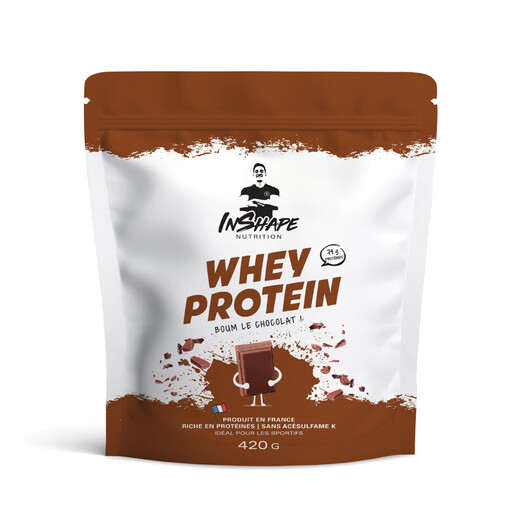
Why this choice suits this profile: At 420 g, this size lets you try a chocolate whey without committing to a bulky bag straight away. According to the information provided, a 30 g serving provides 22.2 g of protein.
The table details values per serving and per 100 g, making it easy to compare with other powders.
22.2 g of protein per dose, 1.4 g of fat and 2.1 g of sugar per stated serving.
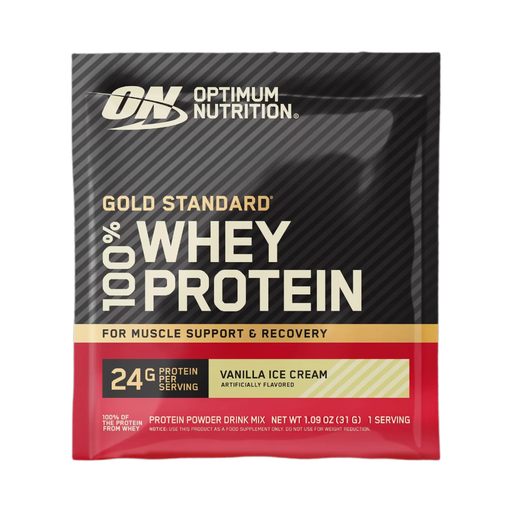
Why this choice suits this profile: The individual 31 g sachets are aimed at athletes who juggle the gym, business trips and travel.
Individual packaging limits exposure to moisture and avoids storing a large bag once opened.
24 g of protein per sachet, to be mixed with 180 to 240 ml of liquid, with no scoop to carry.
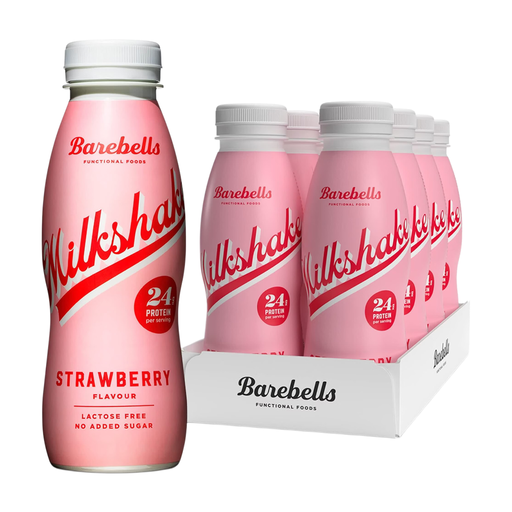
Why this choice suits this profile: This 330 ml ready-to-drink shake is handy after training or during a busy day, with no shaker or preparation needed.
The amount is stated per bottle, so you won’t under-dose a powder mixed in a hurry.
24 g of protein per bottle, lactose-free according to the product sheet, no added sugars and suitable for vegetarians.
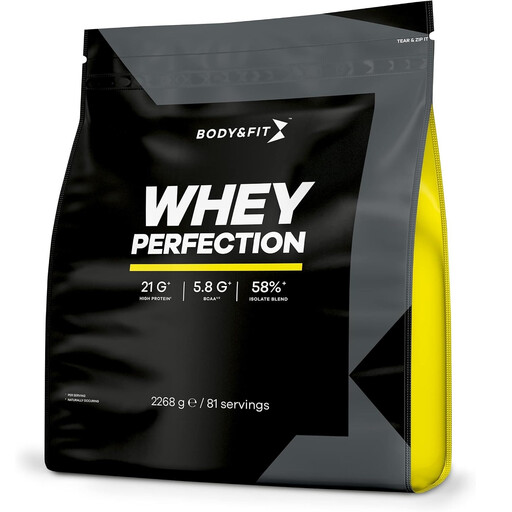
Why this choice suits this profile: Stated to provide around 81 servings, this large tub is aimed at users who have a protein shake several times a week.
The number of servings is clearly stated, allowing you to estimate the real cost of regular use.
22 g of protein per 28 g serving, with a blend of whey isolate, concentrate and hydrolysate.
We’ve put together a comprehensive, real-time updated list of products that meet these demanding selection criteria and European safety regulations.
A serving is usually mixed with water or milk, depending on the texture and calorie intake you want. Stick to the dose stated on the packaging rather than adding several scoops out of habit. Whey can supplement a meal or snack, but it doesn’t replace food sources of protein, fruit, vegetables or starchy carbohydrates.
When you take it depends mainly on your schedule. After training, a shake can be handy if your next meal isn’t for a while. A protein bar or ready-to-drink shake will serve the same practical purpose. If you’re looking for a protein for mass gain, also keep an eye on your overall calorie intake, not just the protein amount shown on the product.
There’s no universal dose that works for all adults. Follow the serving recommended by the manufacturer and consider your total protein intake, including meals. Needs vary depending on weight, physical activity, goals and diet. Don’t exceed the dose stated on the label.
Whey isolate is generally more filtered and may show a higher protein content per 100 g. Whey concentrate retains more of the components naturally present in milk. To tell the difference in everyday use, look at the nutritional table, the price per serving and your tolerance to the various ingredients.
Proteins contribute to the maintenance and growth of muscle mass when part of a suitable diet and regular physical activity. A muscle recovery protein doesn’t replace a good night’s sleep, adequate hydration or a balanced meal. Read the instructions and seek medical advice if you have any particular health concerns.