
Livraison le jour même ou le lendemain

Qualité garantie

Débloquez vos offres de bienvenue: Livraison GRATUITE | Jusqu'à -80 % | 30 jours d'essai gratuits à JoyPlus
Téléchargez l'application
Whey protein has become a staple in gyms, fitness clubs and the nutritional routines of many people across France. Yet choosing a simple protein powder can quickly become a headache, with promises of rapid digestion, “premium” blends, value formats and a wide range of flavours.
Before buying a protein supplement, three pitfalls deserve your attention:
A smart choice should therefore be based primarily on the label, format, ingredients and your actual usage—not on promotional messaging.
Start by comparing the “protein” line per 100 g and per serving. Several products featured here provide around 74 to 79 g of protein per 100 g, generally equating to 22 to 24 g of protein per serving.
This figure lets you compare products on a consistent basis, regardless of the pouch size. A less concentrated formula may contain more carbohydrates, fats, flavourings or texturising agents. That does not automatically make it unsuitable, but it should remain consistent with your dietary goals.
For a post-workout protein, also check the carbohydrate and fat content per serving. The Optimum Nutrition Gold Standard products in this selection provide around 1 g of sugar per serving, depending on the version and flavour. Since nutritional values may vary, always check the packaging you receive.
Whey can be made from several protein fractions:
Some blends combine all three forms. The Optimum Nutrition Gold Standard products featured here notably combine isolate, concentrate and hydrolysed isolate. This versatile formula works well in a post-workout shake, as a snack or alongside a meal.
Most of the products listed contain milk. Soy lecithin is also commonly used to improve mixability. Some product pages also mention the possible presence of traces of gluten, eggs, peanuts or tree nuts.
It is also worth checking the sweeteners and thickeners. A particularly creamy texture can be enjoyable in a shaker, but less appealing if you prefer to mix your powder simply with water. If you have an allergy, are undergoing medical treatment, are pregnant or breastfeeding, seek advice from a healthcare professional before consuming the product.
The products below are organised around practical needs: budget, consumption frequency, format and time of day. The nutritional information corresponds to the product pages provided and may vary by batch or flavour.
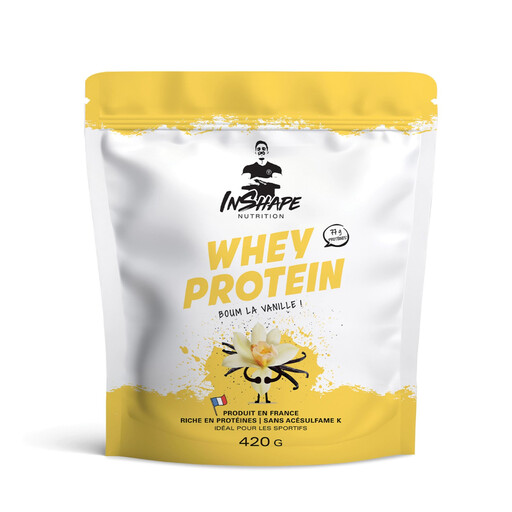
Why it suits this user: The 420 g format lets you get started gradually, without tying up a significant amount of money or buying several kilos before finding a flavour you enjoy.
The product page states 23.1 g of protein per 30 g serving. The relationship between scoop weight and actual protein content is therefore easy to verify.
Vanilla flavour, 23.1 g of protein per serving, mixes with water or milk, and a manufacturer based in France according to the product page.
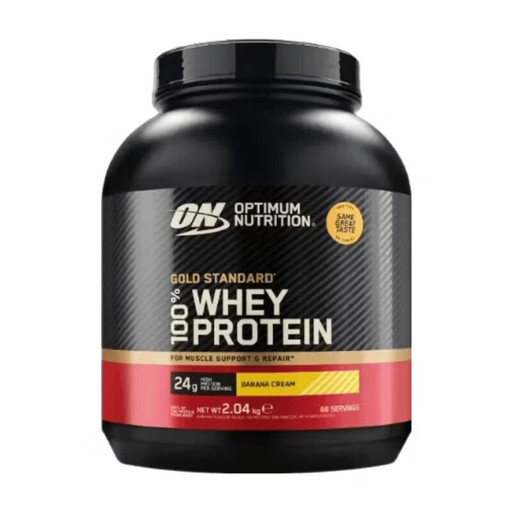
Why it suits this user: With 68 stated servings, this large format is designed for athletes who regularly take whey after training or between meals.
The serving size is clearly set at 30 g and provides 24 g of protein, along with 1.2 g of fat and 1.6 g of carbohydrates according to the product page.
A blend of isolate, concentrate and hydrolysate, 68 stated servings, and preparation with 180 to 240 ml of liquid.
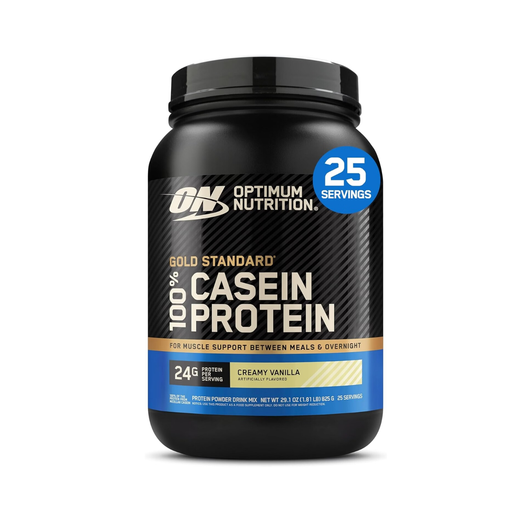
Why it suits this user: Casein is better suited to consumption between meals or before bed, when you are looking for a protein source that digests more slowly than conventional whey.
It is not presented as a fast-absorbing whey: the product page specifies micellar casein and a 33 g serving.
24 g of protein per serving, 0.6 g of fat and 684 mg of calcium listed per serving.
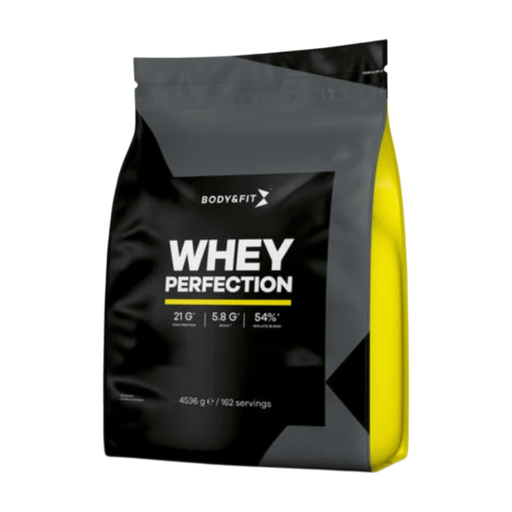
Why it suits this user: With 162 stated servings, this large bag is aimed at households or athletes who consume powdered protein several times a week and also use it in recipes.
The number of servings, total weight and 28 g serving size are clearly specified, making it easy to estimate how long the product will last.
21 g of protein per serving, more than 20 stated flavours, and suitable for smoothies, porridge or homemade recipes.
We have brought together an updated selection of products suited to different protein needs and muscle-gain goals.
A serving is generally mixed with 180 to 240 ml of water or milk. The best time to consume it depends mainly on your routine and your total daily protein intake. A shake can fit naturally after training, at breakfast or between meals.
Muscle recovery does not depend on whey alone: sleep, training progression, hydration and a varied diet matter just as much. When trying to gain muscle mass, protein powder can complement your meals, but it should not replace a sufficiently calorie-dense diet.
Store the powder in a cool, dry place away from direct light. Close the container securely after each use, then check the best-before date and batch number shown on the packaging.
No. It can help active people, fitness enthusiasts and athletes meet their protein needs. However, it is a food supplement, not a substitute for a balanced diet.
Whey isolate is a protein derived from whey and filtered more extensively. It is often consumed around training. Casein—particularly micellar casein—is generally positioned as a slower-digesting protein, commonly taken between meals or before bed. The right choice depends on your preferences, digestion and budget.
It depends on the stated number of servings and your consumption rate. A 68-serving format used at one serving per day, for example, will last just over two months. To avoid waste, start with a smaller format when trying a new flavour or brand, then move to a larger pack once your routine is well established.