
Livraison le jour même ou le lendemain

Qualité garantie

Débloquez vos offres de bienvenue: Livraison GRATUITE | Jusqu'à -80 % | 30 jours d'essai gratuits à JoyPlus
Téléchargez l'application
Whether you do weight training, running or fitness, whey protein can supplement your diet when meals alone do not provide enough protein. However, not all powders are equal when it comes to ingredients, format or cost per serving. Before trusting the claims displayed on the tub, take the time to read the label.
A serving providing 24 g of protein may seem appealing. However, you should also check the total weight of the serving. A 30 g serving containing 24 g of protein is far more concentrated than a 40 g serving showing the same figure. To compare several products, also look at the values per 100 g: they provide a more reliable basis for comparison.
Whey isolate is more highly filtered than whey concentrate. It may suit people looking for a high protein content with few carbohydrates and little fat. That does not mean a blend combining isolate, concentrate and hydrolysed whey is a poor choice for everyday use. The word “hydrolysed” alone does not justify a higher price: check the proportion it actually represents in the ingredients list.
A flavoured powder may contain cocoa, thickeners, sucralose or acesulfame-K. These ingredients are not necessarily a problem for everyone, but they can affect taste and digestive tolerance. The products featured here generally contain milk, and several also include soya lecithin. If you have an allergy, check the label carefully and look for any possible presence of gluten, eggs, peanuts or tree nuts.
To compare two whey proteins, check at least:
As a general indication, the selected products provide around 22 to 24 g of protein per serving, with an energy content generally ranging from 100 to 120 kcal depending on the product and flavour. BCAAs are obviously no substitute for a varied diet: they naturally form part of whey’s amino acid profile.
Whey concentrate may be perfectly suitable for regular, versatile use. A formula with a higher isolate content is often preferred when you want a more concentrated source of protein and a low sugar content. If you are sensitive to lactose, do not assume that whey isolate will automatically suit you: check the detailed information provided by the manufacturer.
Post-workout protein can be consumed after a training session, but there is no need to take it within a precise, minute-by-minute window. It can also be enjoyed between meals, at breakfast or stirred into porridge. When trying to gain weight and muscle, it will not make up for an inadequate calorie intake or unbalanced meals.
A small bag is convenient for trying a flavour or taking a serving with you. Larger formats sometimes reduce the price per serving, but they tie up more of your budget and can become cumbersome if you eventually tire of the flavour. Compare the price per serving, total quantity and estimated usage period, rather than looking only at the price of the container.
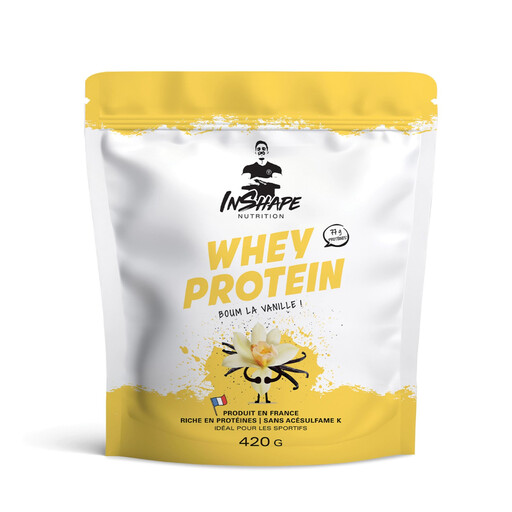
Why this choice suits this profile : At 420 g, this format lets you get started without immediately investing in a large tub. According to the product information, a 30 g serving provides 23.1 g of protein.
The table specifies the serving size, calories, sugars and allergens. This makes it easier to compare products based on facts, without being guided solely by the flavour or marketing claims.
23.1 g of protein per serving, 1.3 g of fat and 2.6 g of sugar per serving, according to the manufacturer’s data.
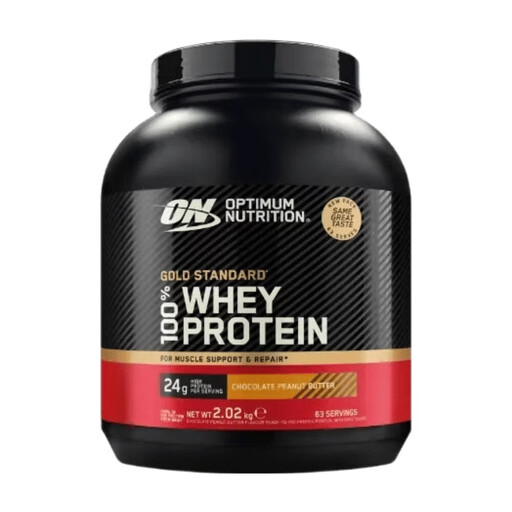
Why this choice suits this profile : This large format is aimed at regular users. The formula combines whey isolate, whey concentrate and hydrolysed whey isolate.
The product information details 63 servings of 32 g, each providing 24 g of protein, 1.3 g of fat and 2.2 g of carbohydrates.
A large pack, 24 g of protein per serving and a Chocolate Peanut Butter flavour.
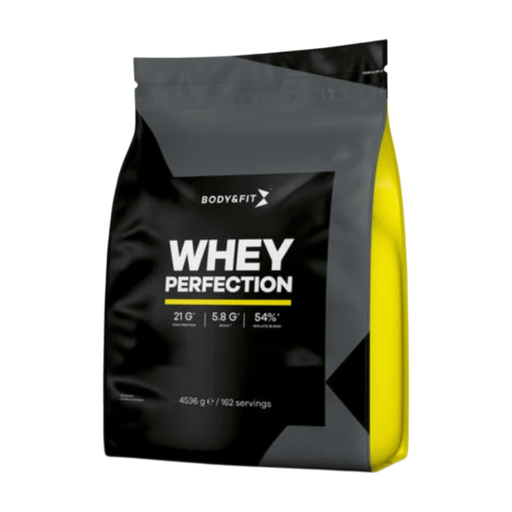
Why this choice suits this profile : With its extra-large format, this product suits athletes who regularly use whey at the gym, at home or in recipes.
The manufacturer states that there are 162 servings of 28 g and specifies the storage conditions, recommended serving size and allergens.
21 g of protein per serving, 105 kcal per serving according to the product information, and more than 20 flavours available from the brand.
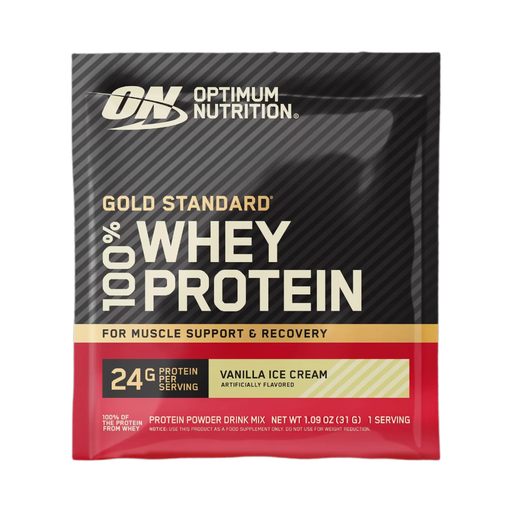
Why this choice suits this profile : The individual servings slip easily into a gym bag, desk drawer or suitcase.
Each sachet is one stated 31 g serving; this format helps prevent dosing errors and limits the powder’s exposure to moisture.
24 g of protein per sachet, preparation with water or milk, and no scoop to carry around.
We have put together a complete, real-time updated selection of products that meet these demanding criteria and European safety standards.
The serving size shown on the packaging is a starting point, not a rule that applies to everyone. Daily protein requirements vary according to each person’s diet, physical activity and goals. Generally mix one serving with the recommended amount of water or milk, often between 180 and 250 ml.
After training, whey can be useful when your next meal is not due immediately. It can also complement breakfast or a snack. To support muscle recovery and preserve muscle mass, it is the balance of your entire day that matters, far more than the exact time you have a shake. Follow the manufacturer’s instructions and do not replace a varied diet with supplements.
No. Runners, fitness enthusiasts and active adults more broadly can use it to supplement their daily protein intake. It remains a food supplement and does not replace meals.
Follow the date shown on the packaging and store the powder in a dry, cool place away from light. Close the container carefully after each use. Powder that has absorbed moisture, developed an unusual smell or formed persistent lumps should not be consumed.
It depends on your nutritional priorities. If you are monitoring your carbohydrate intake, compare the “of which sugars” line per serving and per 100 g. Also remember to check the sweeteners, flavour and other ingredients before making your choice.