
Livraison le jour même ou le lendemain

Qualité garantie

Débloquez vos offres de bienvenue: Livraison GRATUITE | Jusqu'à -80 % | 30 jours d'essai gratuits à JoyPlus
Téléchargez l'application
The whey protein market is a real jungle. Faced with hundreds of tubs making ever-more enticing promises, it's easy to feel lost. As a product expert at Joybuy, my mission is to help you cut through the noise. Far from trying to sell you a product at all costs, this guide gives you the keys to making an informed choice that's perfectly suited to your goals and budget, while avoiding the most common marketing traps.
Navigating the world of protein powder can be a real headache. Here are the two classic mistakes many consumers make:
To sort the good from the bad, focus on a few objective indicators. Once you've mastered them, you'll be able to assess a protein's quality at a glance, without being fooled by the packaging.
All whey comes from milk, but the filtration process changes everything.
Forget the slogans and analyse the nutrition facts per serving (usually a 30g scoop):
Instead of an endless list, we've matched each product to a typical user profile. This way, you can directly find the option that fits your routine and goals.
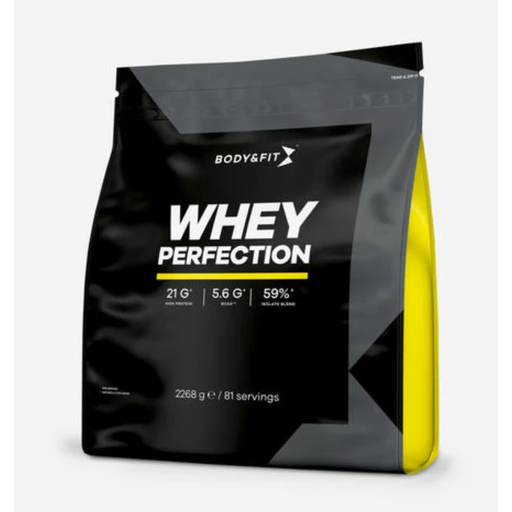
Why we recommend it: Perfect for those starting their fitness journey and looking for unbeatable value for money. This cost-effective size supports your initial gains in mass or recovery without breaking the bank.
This product gets straight to the point: a blend of concentrate, isolate, and hydrolysate. No superfluous marketing additives, which guarantees a fair price for an effective and transparent formula.
22g of protein per serving with a low sugar content. Its XXL size (81 servings) makes it an ultra cost-effective choice for the long term.
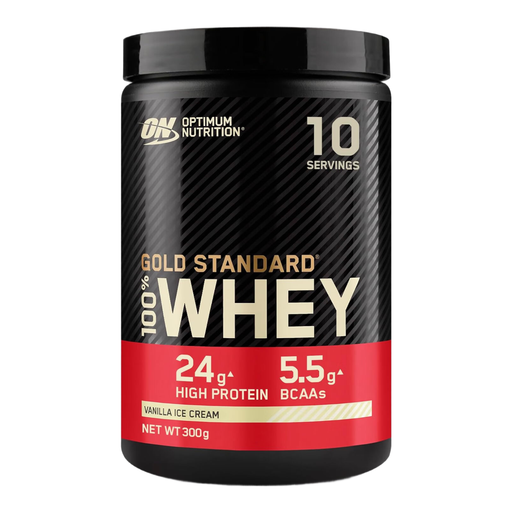
Why we recommend it: For dedicated athletes who make no compromises on quality. Whey isolate, listed as the main ingredient, guarantees high purity and rapid absorption. It's the top choice for optimising recovery after an intense session.
Transparency is key: isolate is the number one ingredient. The result: minimal lactose and fat, a far cry from low-end blends that dilute the whey with lower-quality concentrate.
24g of protein per serving with only 1g of sugar. Naturally contains 5.5g of BCAAs and 4g of glutamine, proving its high intrinsic quality without any gimmicks.
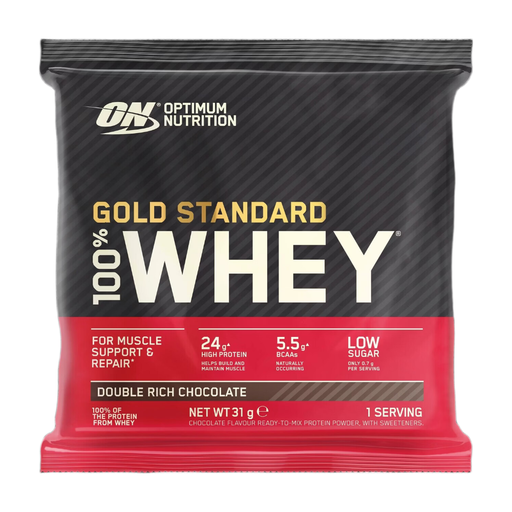
Why we recommend it: The perfect solution for those who hit the gym after work or are often on the move. The individual sachet format slips into any bag and ensures a fresh, precise dose, without having to lug around a big tub.
This clever format eliminates waste and dosing errors. Each sachet contains a pre-measured portion for consistent nutritional intake and preserved quality, protected from moisture.
Ultra-convenient and hygienic. It offers the same nutritional qualities as the tub version (24g of protein, low sugar), with added flexibility.
We've selected a full range of products that meet our strict selection criteria and current regulations.
It's all about filtration. Whey isolate is purer: its protein concentration exceeds 90% and it has negligible amounts of lactose and fat. Concentrate, which is less filtered (70-80% protein), is more affordable. However, it's less suitable for lactose-intolerant individuals or those in a strict cutting phase.
To maximise muscle recovery, the ideal time is within the famous "anabolic window", which is 30 to 60 minutes after your workout. This is when your muscles are most receptive to nutrients for repair and growth. That said, whey can also be taken at breakfast for a protein-rich start to your day, or as a snack to supplement your daily intake.
No single food makes you lose or gain weight; it's all about your overall calorie balance. Whey is a tool, nothing more, nothing less. Integrated into a calorie-deficit diet, it helps with weight loss by increasing satiety and protecting muscle mass (the 'anti-catabolic' effect). Conversely, when added to a high-calorie diet for bulking, it contributes to the energy surplus needed for muscle building (provided, of course, that you're training accordingly!).