
Livraison le jour même ou le lendemain

Qualité garantie

Débloquez vos offres de bienvenue: Livraison GRATUITE | Jusqu'à -80 % | 30 jours d'essai gratuits à JoyPlus
Téléchargez l'application
The whey protein market is a jungle, with every brand promising the world. Faced with hundreds of tubs with complex labels, it's easy to feel lost and fall for marketing ploys rather than making an informed decision. As a product expert for Joybuy, my mission is to help you see things more clearly. This guide breaks down the essential criteria for choosing the protein powder that truly matches your goals, without throwing your money away.
Before you even start comparing products, it's crucial to know the most common pitfalls. Most disappointments stem from misreading labels or falling for slick marketing techniques.
To make an educated choice, focus on three objective parameters that define the quality of a whey protein.
The main difference lies in the level of filtration, which affects purity, absorption speed, and lactose content.
Don't just trust the product name. Scrutinise the nutritional table to find out the amount of protein per serving. A good protein powder typically provides between 20 and 25 grams of protein for a serving of about 30 grams.
Also, check the BCAA (branched-chain amino acids: leucine, isoleucine, valine) content. A quality product naturally contains about 5 to 5.5 grams per 25-gram serving of protein. These amino acids are essential for stimulating protein synthesis and accelerating muscle recovery.
A short ingredient list is often a good sign. The protein sources (e.g., whey protein isolate, whey protein concentrate) should be at the top of the list. Steer clear of products where sugar or fillers appear first. For controlled muscle gain or a cutting phase, opt for formulas low in sugar (less than 2g per serving) and fat.
Here is our selection, designed for different profiles and based on strict criteria for quality and transparency.
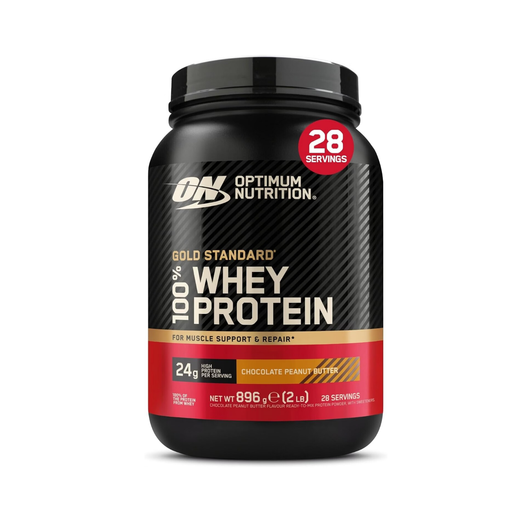
Why we chose it : This is THE market benchmark, ideal for those who want a reliable and effective product without the guesswork. Its blend, primarily composed of isolate, ensures high quality and good digestibility for daily use.
The ingredient list is transparent and correctly places whey isolate at the top, which justifies its positioning. No vague "proprietary blends" here.
24g of protein and 5.5g of naturally occurring BCAAs per serving, with only 1g of sugar. A perfectly balanced nutritional profile for lean muscle gain and recovery.
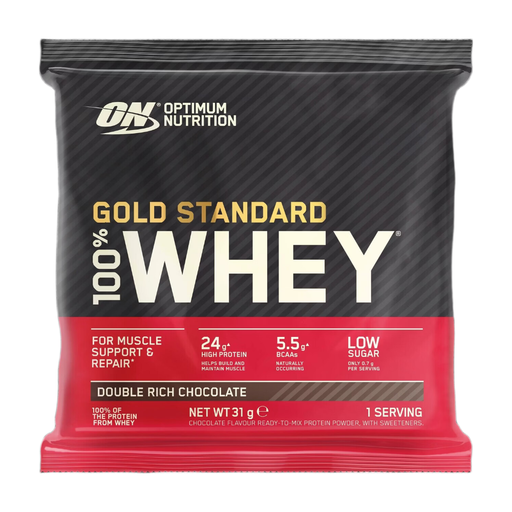
Why we chose it : Perfect for trying a product before investing in a large tub, or for slipping a convenient serving into your gym bag. Each sachet is perfectly portioned.
The sachet format prevents the unpleasant surprise of a 2kg tub with a disappointing flavour. You get the renowned quality of Whey Gold Standard without the commitment.
Maximum portability and convenience. The guarantee of a fresh, perfect dose every time, whether at the office, while travelling, or right after your workout.
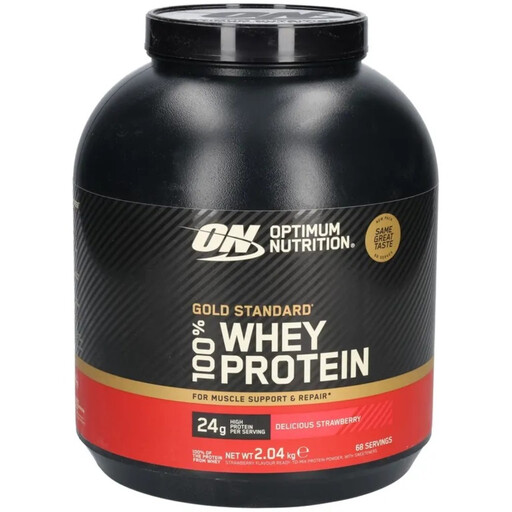
Why we chose it : For those who consume whey daily, the bulk size is the most economical and logical solution. This 2kg+ tub offers an excellent cost per serving without compromising on quality.
By choosing a bulk size from a reputable brand, you ensure consistent quality and avoid the risk of investing in a low-end product or one that's a victim of "amino spiking."
An unbeatable cost per gram of protein, making it the smart choice for long-term use. The Cookies & Cream flavour is also a reliable choice to prevent taste fatigue.
Explore our full selection of products that meet our quality standards and comply with current regulations.
The main difference is the filtration process. Whey isolate undergoes an extra filtration step (cross-flow microfiltration) that removes more fat and lactose. The result is a powder with higher protein purity (over 90%) that is easier to digest. Concentrate, being less filtered, contains about 70-80% protein and retains a bit more lactose and fat, which can sometimes give it a creamier texture. Isolate is therefore recommended for individuals with lactose sensitivity or those aiming for maximum muscle definition.
The ideal time remains the famous "anabolic window," which is 30 to 60 minutes after your workout. This is when your muscles are most receptive to nutrients for muscle recovery and rebuilding. However, a protein powder is also very useful in the morning upon waking to break the overnight fast, or as a snack to easily meet your daily protein quota and support muscle gain.
Yes, absolutely! Whey protein is very versatile and can be easily incorporated into many recipes to boost their protein content. It mixes perfectly into porridge, yoghurt, smoothies, or even into pancake or cake batter. Note that high-temperature cooking can denature the protein's structure, but its amino acid profile remains intact and usable by the body. For maximum versatility, choose neutral flavours like vanilla or chocolate.