
Livraison le jour même ou le lendemain

Qualité garantie

Débloquez vos offres de bienvenue: Livraison GRATUITE | Jusqu'à -80 % | 30 jours d'essai gratuits à JoyPlus
Téléchargez l'application
Navigating the overwhelming world of dietary supplements can quickly become a headache. Between enticing marketing claims and endless ingredient lists, choosing the right whey protein for muscle gain or muscle recovery can feel like an uphill battle. As a Product Recommendation Manager at Joybuy, my mission is to bring you some clarity. Let's cut through the jargon and get straight to the point so you can make an informed decision.
In this guide, we'll break down the key criteria and arm you against the most common pitfalls. The goal? To ensure every dollar spent is a direct investment in your progress.
The market is flooded with options, but not all are created equal. Here are the three most frequent mistakes to avoid, and our advice for outsmarting them.
To make the right choice, three objective parameters should guide your decision. The quality, effectiveness, and suitability of a whey protein for your needs depend on them.
The difference lies in the level of filtration, which directly impacts purity, absorption speed, and lactose content.
Each supplement has a specific role tied to its absorption speed.
A good indicator of quality is the protein percentage per 100 g of powder. Aim for products that list between 75 g and 85 g of protein per 100 g. Also, check the BCAA content (Leucine, Isoleucine, Valine) per serving, which should be around 5 g for a 25-30 g scoop of powder.
Here are a few recommendations that cater to different user profiles, all meeting the quality and transparency criteria we've just discussed.
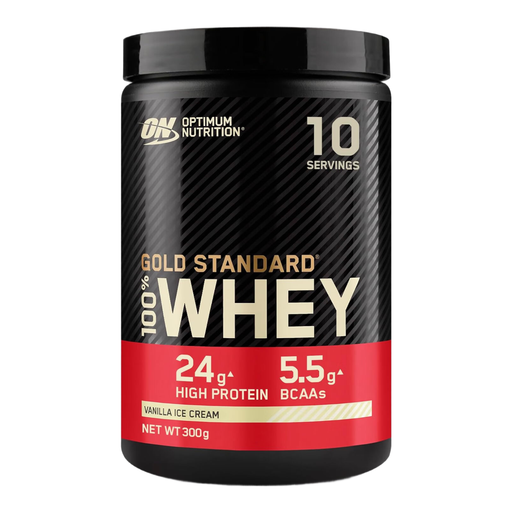
Why we recommend it: It's a trusted industry standard, a benchmark that combines quality and effectiveness. Ideal for rapid post-workout recovery and perfect digestion.
The ingredients list puts whey isolate first, guaranteeing high purity and lightning-fast absorption. Its BCAA content (5.5 g) is naturally occurring, not from additives.
Delivers 24 g of very high-quality protein per serving, with minimal sugar and fat. Its mixability is excellent, even with just a spoon.
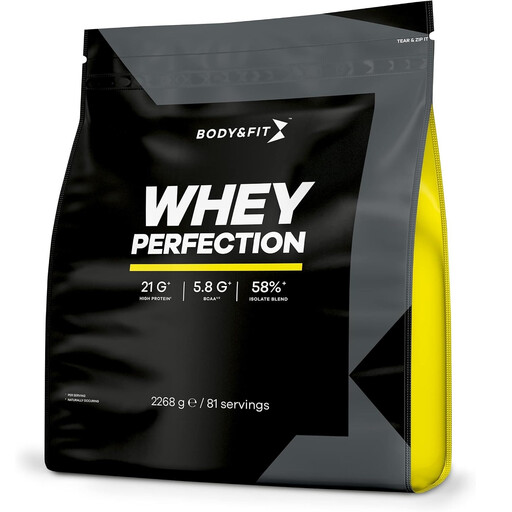
Why we recommend it: For those who use protein daily and are looking for the best value for money. The large format ensures an unbeatable cost per serving.
The cost per gram of protein is very attractive thanks to the economy size. The composition remains transparent, with a blend that includes a significant portion of isolate.
It provides 22 g of protein per 28 g serving, an excellent ratio of nearly 79%. The taste is widely praised, a key factor for daily use.
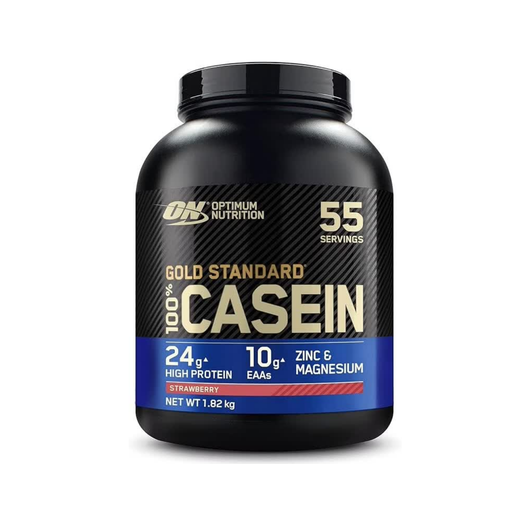
Why we recommend it: For dedicated athletes determined to optimise their recovery during sleep. The micellar casein ensures a slow and sustained release of amino acids.
Note that this is not a whey protein, but a supplement designed for a specific time. It avoids the mistake of using a fast-acting protein (whey) when a slow-acting one (casein) is more appropriate.
Provides 24 g of slow-digesting protein per serving, which contributes to the growth and maintenance of muscle mass during sleep. Rich in calcium.
We have compiled a comprehensive and up-to-date selection of products that meet our strict selection criteria and current regulations.
Your needs will vary depending on your weight, activity level, and goals. As a general rule, athletes are recommended to consume 1.6 to 2.2 grams of protein per kilogram of body weight per day, including both food and supplements. A shake with 20-30 g of protein after a workout is a common and effective practice. Be sure not to exceed the recommended dose on the packaging and remember that a supplement is not a substitute for a healthy, balanced diet.
Absolutely. For a creamier shake and higher calorie intake (especially useful during a bulking phase), you can mix it with milk, either dairy or plant-based. Whey also integrates perfectly into many recipes: in a smoothie with fruit, porridge, pancakes, or even cakes to boost their protein content.
It all depends on your budget and your sensitivity to lactose.