
Livraison le jour même ou le lendemain

Qualité garantie

Débloquez vos offres de bienvenue: Livraison GRATUITE | Jusqu'à -80 % | 30 jours d'essai gratuits à JoyPlus
Téléchargez l'application
The whey protein market is so saturated that it's become difficult to navigate, whether you're a beginner or a seasoned athlete. Between marketing promises and endless ingredient lists, it's easy to end up regretting a purchase. The goal of this guide is simple: to give you the keys to decipher labels and identify the protein powder that truly matches your needs and muscle-building goals, without falling for the most common traps.
Before we present our top picks, let's break down the most frequent mistakes:
To make an informed choice, you need to focus on a few technical parameters. Ignoring these points means risking choosing a product that is ill-suited for your mass gain or recovery goals.
The main difference between these three forms lies in their filtration process, which affects their purity, absorption speed, and lactose and fat content.
Don't just rely on the amount of protein per serving shown in large print on the packaging. To compare objectively, look at the nutritional table and calculate the actual protein percentage: (grams of protein per serving / serving size in grams) × 100. A good product generally exceeds 75%.
Also, check for the presence of branched-chain amino acids (BCAAs: leucine, isoleucine, valine). They are naturally present in whey and play a key role in protein synthesis and reducing muscle fatigue. A quality whey should contain about 5 to 5.5g of BCAAs for a 25g serving of protein.
Every athlete has unique needs. Here are a few recommended options, categorised by user profile, to help you find the one that's right for you.
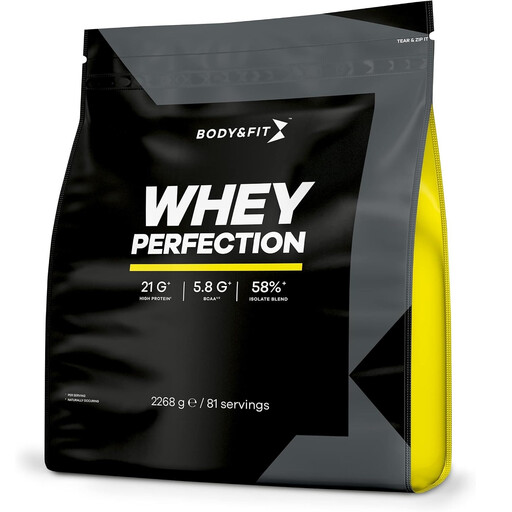
Why it's a great choice: Perfect for starting your fitness journey with an effective supplement that won't break the bank. This product offers an excellent balance of quality, taste, and price to supplement your protein intake post-workout or as a snack.
No need to pay a premium for extreme purity (hydrolysate) that is unnecessary at this level. This blend of concentrate and isolate offers excellent value for money, with a very competitive cost per gram of protein.
Provides 22g of protein per serving with 5g of naturally occurring BCAAs. Low in sugar and fat, it's a smart choice to support muscle growth without unnecessary calories.
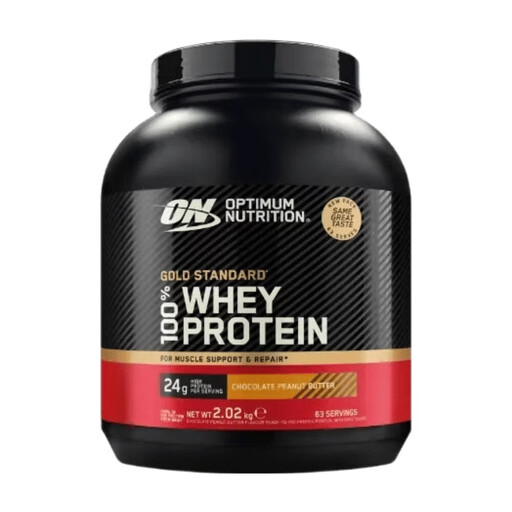
Why it's a great choice: For dedicated athletes who want to optimise their recovery and muscle development. The Whey Gold Standard formula is a trusted benchmark, renowned for its quality and performance-oriented composition.
Transparency is key: whey isolate is the number one ingredient, guaranteeing a high protein content and very little lactose. This helps you avoid the trap of vague "proprietary blends."
24g of protein per serving, with an isolate-concentrate-hydrolysate trio for both rapid and sustained absorption. The 2 kg format ensures a very reasonable cost per serving for regular use.
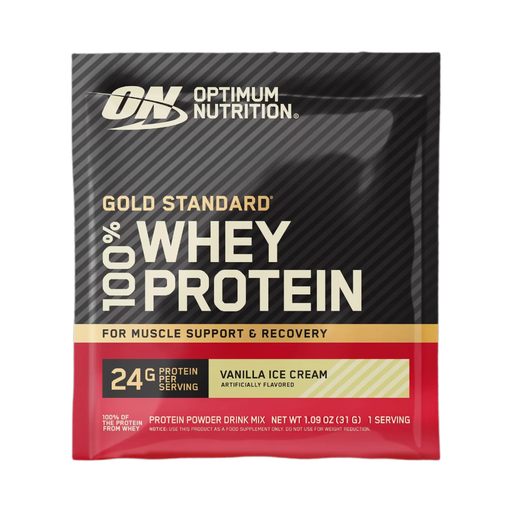
Why it's a great choice: The perfect solution for athletes on the go, those who want to toss a serving in their gym bag without carrying a whole tub, or simply for testing a product before investing in a larger size.
This single-serving sachet format ends the logistical headache for people on the move and prevents waste for occasional users. The cost per serving is admittedly higher, but it's justified by unbeatable convenience, with no compromise on quality.
Each sachet delivers a precise 24g dose of high-quality protein. A hygienic, ultra-portable solution that guarantees optimal freshness with every use.
We have selected a full range of products for you that meet our quality criteria and current regulations.
It's all about filtration. Whey isolate undergoes a more intensive filtration process, allowing it to reach over 90% protein with almost no lactose or fat. This makes it perfect for sensitive stomachs or strict diets. Concentrate, on the other hand, hovers between 70-80% protein and retains a bit more lactose and lipids. It remains an excellent source of protein, often offering the best value for money for the majority of athletes.
The key moment is within 30 to 60 minutes after your workout. This is the famous "anabolic window," a period when your hungry muscles are particularly receptive to nutrients to optimise muscle recovery and rebuilding. That said, a whey shake is also beneficial at other times: at breakfast to start the day right, or as a snack between meals to maintain a steady protein intake and promote satiety.
Absolutely. Protein powder is an excellent ally for mass gain. To build muscle, you need a calorie surplus and a substantial protein intake (generally between 1.6 and 2.2g per kilogram of body weight per day). A whey shake is a simple and effective way to hit this quota, supplementing a solid, well-structured diet rich in complex carbohydrates and healthy fats.