
Livraison le jour même ou le lendemain

Qualité garantie

Débloquez vos offres de bienvenue: Livraison GRATUITE | Jusqu'à -80 % | 30 jours d'essai gratuits à JoyPlus
Téléchargez l'application
The whey protein market is a jungle. For athletes, from beginners to seasoned pros, making the right choice can feel like an obstacle course. Between tempting marketing promises and endless ingredient lists, it's easy to get lost and regret your purchase. Before you pull out your credit card, it's crucial to know the most common pitfalls so you don't pay a premium for disappointing results.
To make an informed choice, forget the advertising slogans and focus on a few technical, objective criteria.
Not all whey proteins are created equal. The difference lies in the filtration process, which determines their purity, absorption speed, and lactose content.
A quality protein powder must offer a complete profile of essential amino acids, which the body cannot produce on its own. Pay special attention to BCAAs (branched-chain amino acids): leucine, isoleucine, and valine. They are crucial for triggering muscle protein synthesis and reducing fatigue, thereby optimising muscle recovery. A good whey naturally contains a significant dose per serving.
Take a look at the composition. As a rule of thumb, the shorter the list, the better. Be wary of long lists full of thickeners, gums, and artificial sweeteners, which can cause digestive discomfort. A quality formula focuses on the protein, not the gimmicks.
Rather than an endless list, here is a curated selection of products that meet specific needs, based on our criteria for quality and transparency.
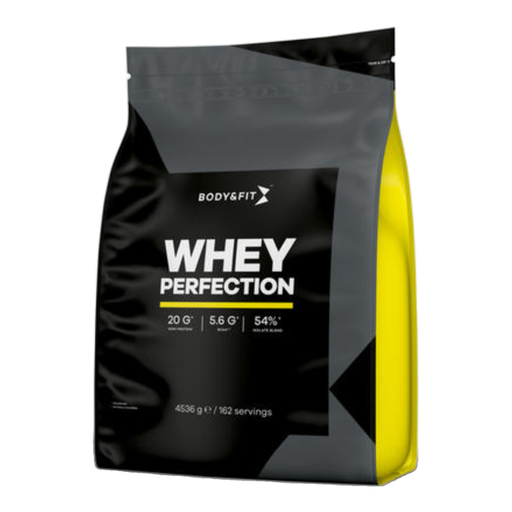
Why it's a great choice: For those new to strength training or who consume protein regularly, this XXL size offers unbeatable value. It ensures a consistent protein intake without sacrificing essential quality.
Its composition is transparent, combining concentrate, isolate, and hydrolysate. Its highly popular chocolate milkshake flavour encourages consistency and prevents the tub from gathering dust.
22 g of protein per serving and an ultra-economical 4.53 kg size (approx. 162 servings), making it a smart long-term investment.
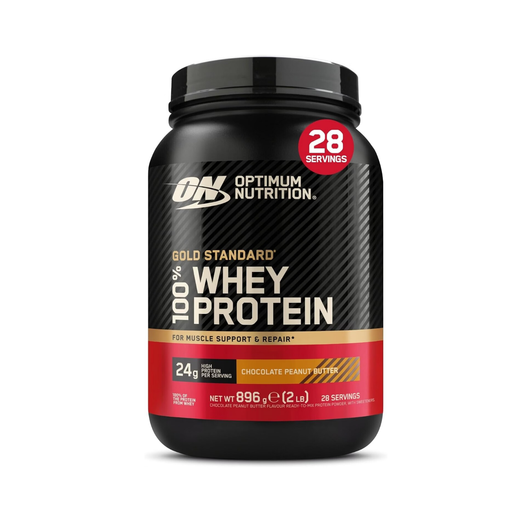
Why it's a great choice: For athletes seeking purity and rapid absorption to optimise their recovery. It's THE industry benchmark, acclaimed for its impeccable quality and effectiveness.
It features whey isolate as its #1 ingredient, guaranteeing maximum protein concentration with minimal sugar and fat. Its clean formula protects you from the nasty surprises of questionable "blends."
24 g of protein per serving, including 5.5 g of naturally occurring BCAAs and 4 g of glutamine. Its mixability is perfect, even when stirred with a spoon.
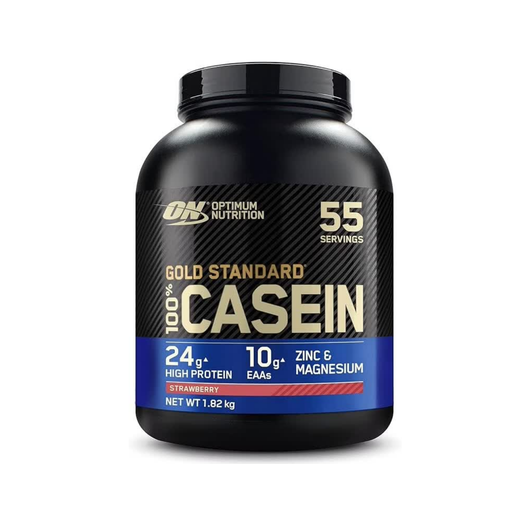
Why it's a great choice: Perfect for those who want to optimise long-term recovery, especially overnight. Casein is a slow-digesting protein that releases its amino acids steadily over several hours.
This product doesn't overpromise. It meets a specific need: overnight anti-catabolic support. Its function is clear, precise, and justified, steering clear of the "all-in-one" formulas with vague benefits.
It delivers 24 g of slow-digesting micellar casein per serving, perfect for feeding muscles continuously for hours, especially during sleep.
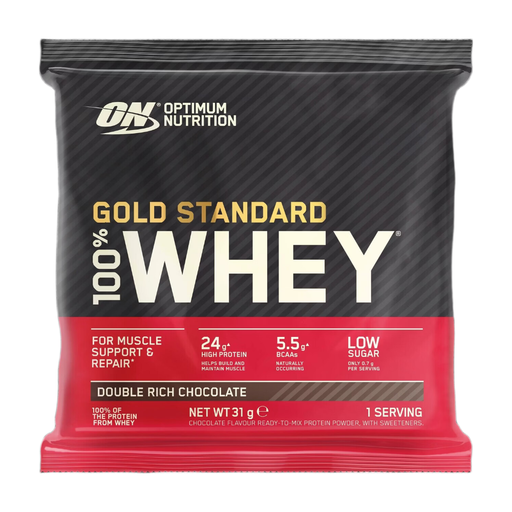
Why it's a great choice: The ideal solution for those who are always on the move, going from the office to the gym, or travelling. The individual sachet format is the pinnacle of convenience and hygiene.
No more lugging around a bulky tub or dealing with messy scooping. Each sachet guarantees a precise dose and impeccable freshness, without the risk of making a mess.
The renowned quality of the tub-sized Gold Standard (24 g of protein), but in an ultra-convenient, on-the-go format for maximum flexibility.
We've curated a comprehensive, up-to-date selection of products that meet our strict selection criteria and current regulations.
What's the difference between whey and casein? The main difference lies in their absorption speed. Whey protein is absorbed very quickly (within 30 to 60 minutes), making it the perfect post-workout partner for rapid muscle recovery. Casein, on the other hand, is a slow-digesting protein that releases its amino acids over several hours. It's therefore best consumed before bed or between spaced-out meals for a continuous supply.
Is a shaker essential for mixing the powder? While a shaker with its mixing grid or ball remains the most effective tool for a smooth, clump-free result, it's not mandatory. High-quality powders, especially those containing an emulsifier like lecithin (from soy or sunflower), dissolve very well with a simple stir of a spoon in a glass of water or milk.
How long does protein powder last after opening? Once opened, a tub of protein powder should be stored in a cool, dry place, away from light and moisture. Be sure to close the lid tightly after each use to preserve its quality. Under these conditions, the powder remains perfectly fine to consume until the indicated expiry date. One last tip: never leave a wet scoop in the tub.