
Livraison le jour même ou le lendemain

Qualité garantie

Débloquez vos offres de bienvenue: Livraison GRATUITE | Jusqu'à -80 % | 30 jours d'essai gratuits à JoyPlus
Téléchargez l'application
Diving into the world of dietary supplements can be daunting, especially when it comes to choosing your whey protein. Between the marketing promises, endless ingredient lists, and multitude of formats, it's easy to get lost and regret your purchase. The goal? To find not a miracle product, but the one that truly aligns with your goals and your budget.
As the Head of Product Selection at Joybuy, my mission is to cut through the marketing jungle and guide you with crystal-clear advice. This guide breaks down the common pitfalls and essential criteria for choosing your protein powder with confidence.
To make the right choice, you just need to understand a few technical criteria. Once you have these down, you'll be able to decode any label and select a product that's right for you.
The main difference between these three forms lies in their filtration method, which directly impacts their purity, absorption speed, and lactose content.
The first thing you should do is check the protein content per 100g of the product, which should ideally be over 75g for a quality whey. Also, take a look at the amount of protein per recommended serving. A 30g serving should provide you with at least 22g of protein.
The presence of branched-chain amino acids (BCAAs) is another hallmark of quality. These amino acids (leucine, isoleucine, valine) play a crucial role in protein synthesis and muscle recovery. A good whey naturally contains a significant amount (usually around 5g per serving).
A short ingredient list is almost always a good sign. Steer clear of long lists full of additives, gums (guar, xanthan), or a cocktail of sweeteners. If sugar (sucrose, fructose) appears near the top of the list, that's a red flag.
Rather than an endless list, here are a few standout products that check all the boxes for different user profiles, based on the criteria we've just covered.
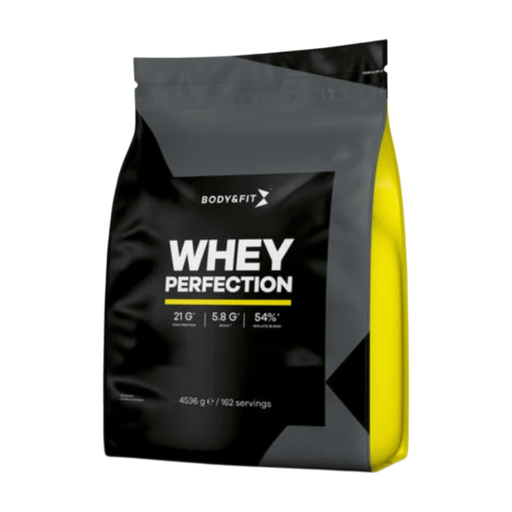
Why we recommend it: Perfect for regular use to support muscle gain or maintenance without breaking the bank. Its XXL size ensures a long-lasting supply for frequent users.
This whey beats the "cost-per-tub" trap by offering an ultra-competitive cost per serving, thanks to its 4.53 kg format. In the long run, it's an unbeatable choice.
Economical format: 162 servings per bag. 3-Whey Blend: A mix of isolate, concentrate, and hydrolysate for multi-phase absorption.
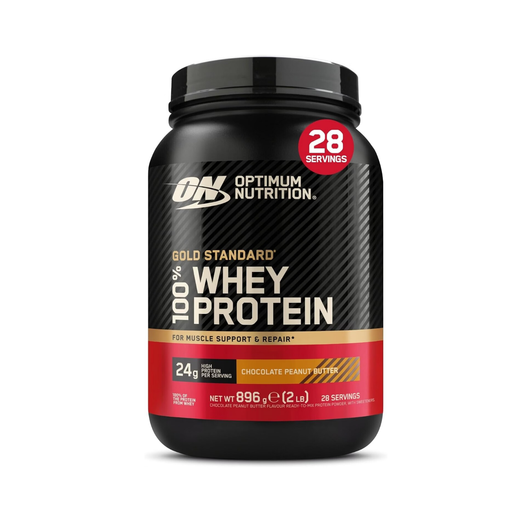
Why we recommend it: The gold standard for demanding athletes who want rapid absorption and an ultra-clean formula. Ideal for post-workout use to maximise muscle recovery.
It beats the false "purity" trap by listing whey isolate as the primary ingredient, guaranteeing a high protein yield (24g) with minimal sugar (1.0g) and fat (1.3g).
Isolate as the #1 ingredient: Maximum purity and rapid absorption. Rich in BCAAs and Glutamine: 5.5g of naturally occurring BCAAs and 4g of glutamine per serving.
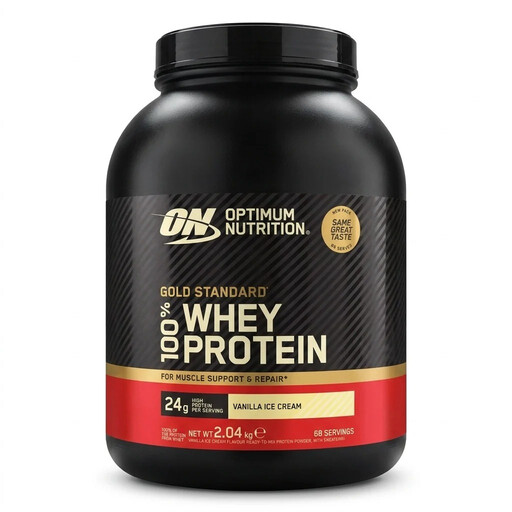
Why we recommend it: Vanilla flavour is the ultimate versatile classic. This format is perfect for those who use their protein powder not just in shakes, but also in porridge, yoghurt, or baking recipes.
It avoids the "marketing formula" trap by relying on a time-tested recipe, renowned for its quality and perfect mixability, without any bells and whistles that drive up the price.
Highly versatile: A vanilla taste that blends into anything. Proven quality: A benchmark for its taste and perfect mixability.
Discover our full selection of products that meet our quality standards and all current regulations.
For the user, the difference comes down to three things: protein content, lactose presence, and price. Whey isolate is purer (over 90% protein), contains almost no lactose, and is therefore more digestible for sensitive individuals. In return, it is generally more expensive. Whey concentrate (70-80% protein) remains a more affordable and equally effective option for anyone who is not lactose intolerant.
The most commonly recommended time is within 30 to 60 minutes after your workout. It's during this "anabolic window" that muscles are most receptive to nutrients to kick-start muscle recovery. However, a protein powder can also be consumed at other times: at breakfast to start the day off right, as a snack to curb hunger, or to enrich a low-protein meal.
No, that's a persistent misconception. While it is very effective for muscle gain when combined with a sufficient calorie intake, whey protein is also an excellent ally during a cutting phase or for weight loss. A good protein intake is crucial for preserving muscle mass during a calorie deficit. It also provides a feeling of satiety, which is a real plus for controlling your appetite. Its usefulness, therefore, depends entirely on your goals and your overall diet.