Which criteria should you compare before replacing an appliance?
ADEME recommends using the energy label to help guide your choice. The European Commission states annual energy use in kWh for fridges, while washing machines and dishwashers show kWh per 100 reference cycles.
| What matters to you |
What to check |
Who this matters most to |
| Replace or repair |
Appliance condition and maintenance, plus a diagnosis and quote if it has developed a fault; measured energy use, if possible. |
If your appliance still works or seems repairable, you want to compare the diagnosis and cost before making a new purchase. Around 33% of consumers prioritise the choice between keeping, repairing or replacing an appliance. |
| Fridge capacity and energy use |
kWh/year, compartment capacity in litres and dimensions that fit the available space. |
If you’re replacing your fridge, you want a suitable capacity without losing sight of annual energy use. Around 27% of consumers put fridge capacity and energy use first. |
| Washing machine load and cycles |
kWh/100 cycles, capacity in kg and reference programme; also check the applicable index. |
If laundry is your priority, you want to match the capacity and cycles to your usual loads. Around 20% of consumers focus first on washing machine capacity and energy use. |
| Dishwasher place settings and cycles |
kWh/100 Eco cycles, number of place settings, water use per cycle and installation compatibility. |
When comparing dishwashers, you want a capacity suited to the amount of washing-up you usually have and comparable energy figures. Around 20% of consumers prioritise place settings and dishwasher cycles. |
Brands to consider for these appliances
The specifications below relate to specific models. They don’t allow conclusions to be drawn about an entire range or your household’s energy use.
Bosch
Worth considering for a freestanding dishwasher, particularly the SMS4ECI28F.
- Bosch gives the SMS4ECI28F an A rating, with 9.0 l per Eco 50 °C cycle and a noise level of 42 dB.
- These model-specific figures don’t predict its energy use in your home or that of other Bosch dishwashers.
LG
Worth comparing if you’re looking for a front-loading washing machine, such as the F94V41WH, and its capacity suits your expected loads.
- LG gives this model a 9 kg capacity, a B rating and energy use of 58 kWh per 100 cycles.
- Energy use per 100 cycles isn’t enough to determine your annual consumption; the capacity needs to suit your needs.
Beko
Worth considering for a freestanding fridge freezer, particularly the B1RCNA344W.
- Beko says this model has reversible doors and an open-door alarm.
- The brand’s claims about AeroFlow don’t demonstrate electricity savings for any particular household.
Whirlpool
Worth comparing if you’re looking for a 9 kg front-loading washing machine, such as the FFSP9269WFR.
- Whirlpool gives this model an A rating, with 49 kWh per 100 Eco 40-60 cycles and 50 l of water per Eco cycle.
- These reference figures and the brand’s claims about FreshCare+ aren’t an independent measure of the savings you’ll make at home.
Joybuy models to compare for your needs
The models featured include fridge freezers, washing machines and dishwashers. Compare each type using the relevant energy label figures, and check the capacity and installation requirements.
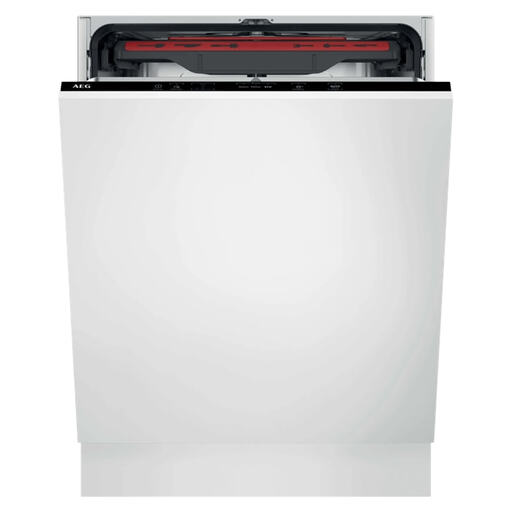 Image unavailable
AEG FSB34707Z, fully integrated dishwasher, 14 place settings, C rating
Worth comparing if you’re looking for an integrated dishwasher with a capacity that suits your needs.
14 place settings; C rating. Check that the housing and installation are suitable.
View on Joybuy
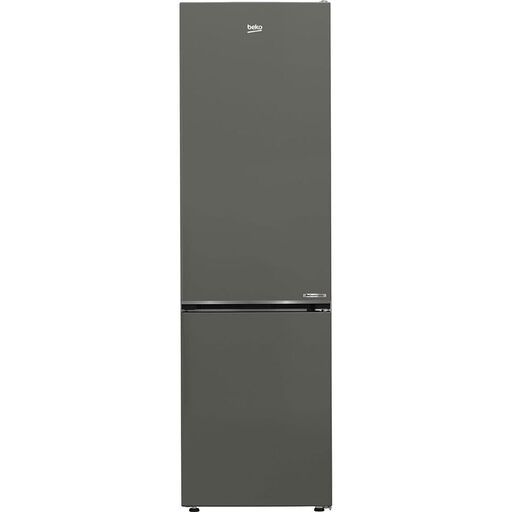 Image unavailable
Beko B5RCNE406HG, fridge freezer, 355 L, C rating
Worth comparing if you’re looking for a fridge freezer with a total capacity that suits your storage needs.
355 L total capacity; C rating. Check the capacity of each compartment and the dimensions before choosing.
View on Joybuy
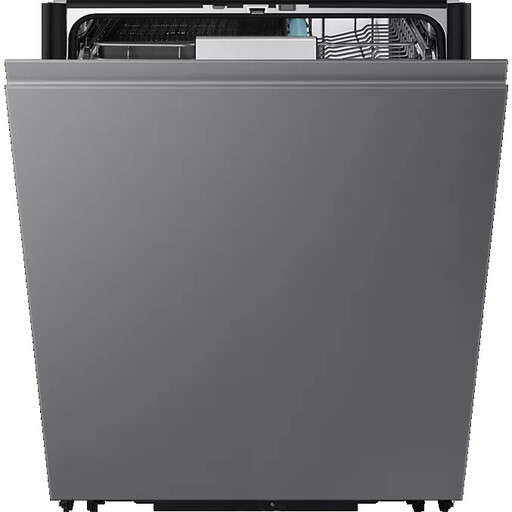 Image unavailable
Samsung DW90H79JAI0U1, fully integrated dishwasher, 14 place settings, A rating
Worth comparing if you’re looking for a 14-place-setting integrated dishwasher and want to consider its energy rating.
14 place settings; A rating. Check that it’s suitable for your kitchen’s built-in installation.
View on Joybuy
 Image unavailable
Electrolux EW7FI259160V, front-loading washing machine, 9 kg, 1 600 tr/min
Worth comparing if a 9 kg capacity suits the laundry loads you expect to wash.
A rating; 9 kg; 1 600 tr/min; connected. Check what’s needed to use the connected features.
View on Joybuy
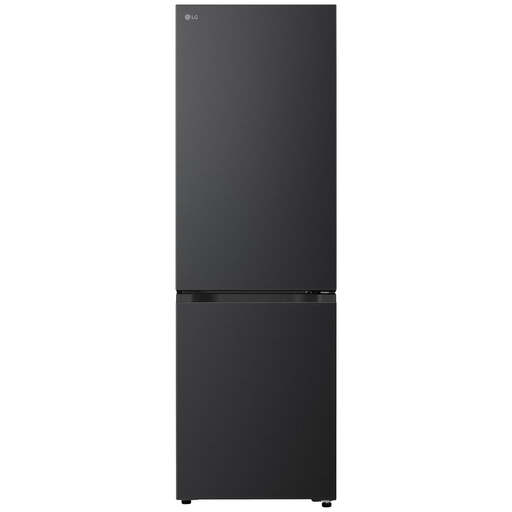 Image unavailable
LG GBBS312CEV, fridge freezer, 333 L, C rating
Worth comparing if you’re looking for a fridge freezer with a total capacity that meets your storage needs.
333 L; C rating. Check the dimensions and clearance needed for installation.
View on Joybuy
Frequently asked questions
Can I directly compare a fridge’s kWh/year with a washing machine’s kWh/100 cycles?
No, these figures are based on different measures. The European Commission states reference annual energy use for refrigeration appliances and energy use per 100 reference cycles for washing appliances. To relate the latter to your use, consider how many cycles you expect to run, but don’t confuse this with a measurement of your household’s consumption.
What should I do before deciding to replace a faulty appliance?
Ask for a diagnosis and a quote, then compare the repair with the replacement you’re considering. ADEME says a Repair Bonus may be deducted from the bill when an eligible appliance is repaired by a certified professional. Check that both your appliance and the repairer meet the requirements.
Which index should I check in France as well as the energy label?
For the washing machines concerned, the durability index replaced the repairability index on 8 April 2025, according to the ministry responsible for ecological transition. Dishwashers remain among the product categories covered by the repairability index. These indices provide information that is separate from energy use.
Which rights should I check with the seller when buying?
The legal guarantee of conformity covers new, second-hand and refurbished goods sold by a business to an individual. It is exercised through the seller, according to the Ministry of the Economy and Finance. The DGCCRF also points out that, under the “one for one” principle, the seller must take back an equivalent old appliance free of charge when you buy a new one. Ask the seller how this applies to your purchase.


