
Livraison le jour même ou le lendemain

Qualité garantie

Débloquez vos offres de bienvenue: Livraison GRATUITE | Jusqu'à -80 % | 30 jours d'essai gratuits à JoyPlus
Téléchargez l'application
A wheeled planter promises a lush balcony, terrace, or garden with maximum flexibility. The ability to move your plants to follow the sun, to make cleaning easier, or to shelter them in winter is an undeniable advantage. The problem? The market is flooded with models whose weaknesses only become apparent after a few months of use.
Before you decide, watch out for these three classic traps that can turn a practical purchase into a costly disappointment:
To avoid falling into these traps, it's better to rely on objective technical criteria than on glossy marketing promises.
To ensure you invest in a durable and truly practical model, scrutinise these key points.
The choice of material directly determines the lifespan of your large outdoor planter. The most common are polymers (plastics).
Mobility is the core promise of this product. The caster system must therefore be flawless.
Good water management is crucial for the health of your plants, especially in a balcony planter that is often exposed to wind and sun.
Based on these criteria, here are a few models that stand out from the crowd and meet specific needs.
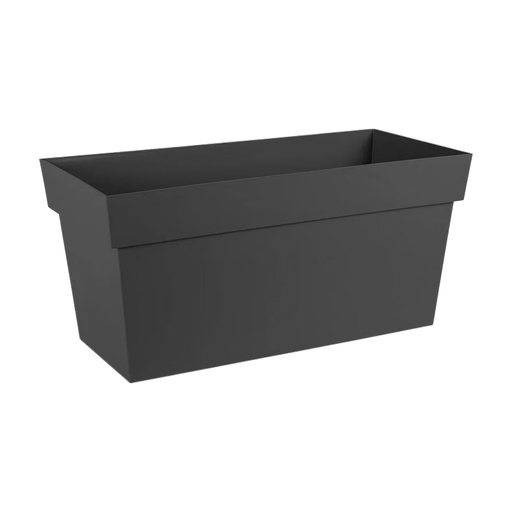
Why this model stands out: With its rectangular shape and generous 74 L volume, it's designed to be placed against a wall, optimising space on a balcony or terrace. Perfect for creating a truly mobile green wall.
It incorporates a water reservoir with a filter grid that prevents root rot. Its design, featuring UV- and frost-resistant plastic (according to the manufacturer), addresses the challenge of outdoor durability.
Its large capacity (74 L) and integrated water management system make it an ally for gardeners looking for minimal maintenance. The "Made in France" aspect is also a selling point.
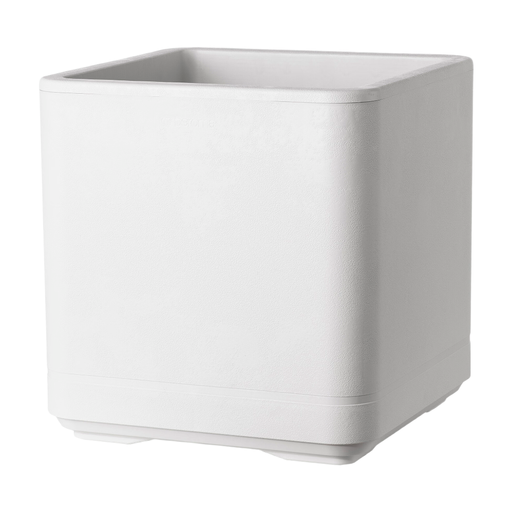
Why this model stands out: For those looking for a wheeled pot that ticks all the boxes: modern aesthetics, practicality, and an eco-conscious approach. Its 39 L cube format is very versatile for medium-sized plants.
Made from recycled and recyclable materials, it is designed to resist frost and UV rays. Its removable plug offers complete control over drainage, helping to avoid the trap of excessive water retention.
The combination of a self-watering system (reservoir), durable construction, and a sleek design makes it a reliable, elegant, and turnkey solution.
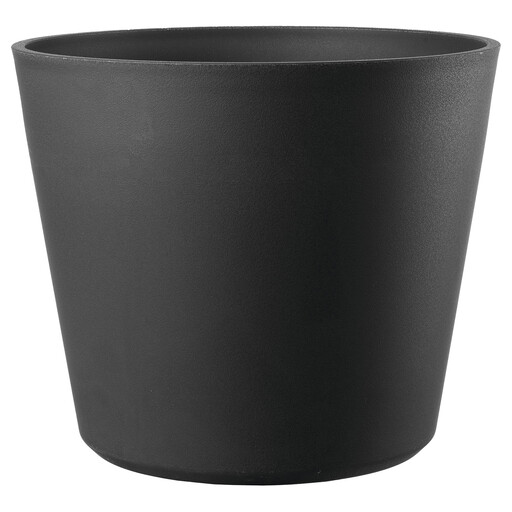
Why this model stands out: Perfect for large shrubs or generous floral arrangements. Its 58 cm height and wide diameter provide the necessary space for healthy root development, while its integrated casters allow you to move the entire unit effortlessly.
The casters are integrated directly into the structure for increased sturdiness, which addresses the classic problem of fragility. Its composition of recycled, frost- and UV-resistant materials ensures excellent long-term durability.
Simplicity and robustness. This large pot gets straight to the point: a generous volume, reliable mobility, and rock-solid durability for large-scale planting.
Discover our complete, up-to-date selection of products that meet our criteria for quality and durability.
If your planter is certified as frost-resistant, it can generally stay outside. Just make sure the drainage is optimal so that water doesn't stagnate and freeze, which would damage the roots and the container. For more cold-sensitive plants, the advantage of wheels really shines: you can effortlessly move it to a sheltered spot (a cold greenhouse, a bright garage, or against a well-exposed wall).
This system is particularly useful for plants that appreciate constant moisture and for forgetful gardeners. However, for plants that require the soil to dry out completely between waterings (such as succulents, cacti, etc.), you'll need to be careful not to leave the reservoir constantly full. Most systems are designed to prevent overwatering, but some monitoring is still recommended.
This is precisely where the quality of the casters makes all the difference. A well-designed model with robust casters sized for the container's volume will move without much difficulty on a flat surface, even when heavily loaded. On a more uneven surface (like garden pavers or gravel), manoeuvring will naturally be more difficult. In any case, always check the maximum load capacity recommended by the manufacturer.