
Livraison le jour même ou le lendemain

Qualité garantie

Débloquez vos offres de bienvenue: Livraison GRATUITE | Jusqu'à -80 % | 30 jours d'essai gratuits à JoyPlus
Téléchargez l'application
A wet and dry vacuum cleaner sucks up dust and crumbs, while also tackling certain spills and cleaning hard floors. But not all appliances are equal depending on how you intend to use them. A hard floor cleaner, whether corded or cordless, won't necessarily replace a traditional vacuum on carpets. Meanwhile, a robot vacuum and mop requires your home to be at least somewhat prepared before each clean.
So before comparing models, it's best to separate the marketing claims from the features that genuinely make a difference day to day.
Values expressed in pascals, watts or revolutions per minute don't allow you to directly compare appliances from different categories. A robot with a high suction power rating may struggle on a thick carpet compared to a cordless stick vacuum fitted with a motorised brush.
On a 2-in-1 appliance, focus instead on:
A vacuum with a washing function collects dirty water, hair and various debris. If the dirty water tank is left full, unpleasant odours will soon appear. Self-cleaning generally rinses the roller and the ducts, but it doesn't let you off emptying the bin, cleaning the filters and leaving the removable parts to dry.
A robot vacuum and mop can get tangled in cables, struggle to cross certain thresholds or dampen an area that should stay dry. Before the first cycle, clear the floor of small objects, wires and fragile items.
For carpets, use no-go zones, activate the automatic mop-lifting function or remove the mopping module, following the instructions in the manual.
A wet and dry vacuum isn't necessarily designed to absorb large quantities of water. Robot mops are generally intended to suck up dry dust and dampen the cloth in a controlled manner.
On parquet or laminate flooring, choose an appliance with an adjustable water flow and only use it on a properly sealed or varnished surface.
A manual wet and dry vacuum cleaner is often more adept at dealing with fresh stains and spills on tiles, vinyl, lino or treated parquet. However, always check the exact list of approved surfaces – it can vary from model to model.
The stated battery life depends on the selected mode, the power used and the type of floor. An appliance offering 30 to 40 minutes will be suitable for targeted cleaning. For a larger home, opt for a generous battery, automatic recharging or a resume-after-charge function.
For a robot, also consider the dust bin volume, the station capacity and the time needed to return to the base. An automatic emptying station reduces the amount of handling required, but it takes up more space. Its bags or tanks will also need to be replaced or emptied regularly.
LiDAR navigation allows the robot to map rooms and plan methodical cleaning routes. Saving multiple maps is particularly useful in a house with several floors. Also check for no-go zones, the ability to select specific rooms and the control options available via the app.
For a manual appliance, look for an anti-tangle brush, a washable filter and a stable charging dock. Pet owners would do well to choose a brush designed to minimise hair wrap. This feature reduces maintenance, but doesn't eliminate it entirely.
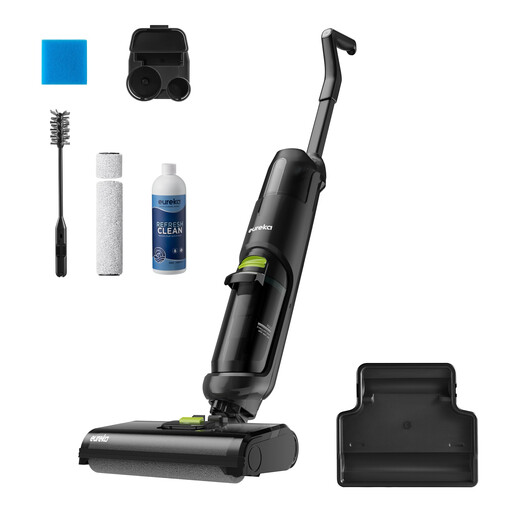
Why this choice suits this profile: It combines vacuuming and mopping in a cordless appliance, designed to clean sealed or varnished hard floors directly, with a stated battery life of 30 minutes.
Its two-tank system separates clean water from dirty water. The self-cleaning roller reduces the amount of handling needed after use.
A drive function makes it easier to manoeuvre, while the pivoting head follows your movements. The manufacturer states it can handle both dry and wet debris.
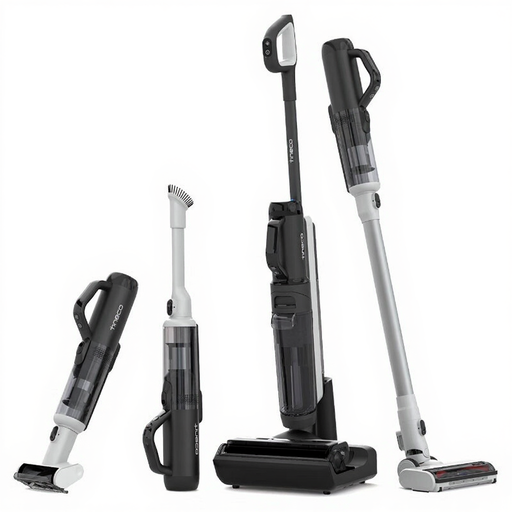
Why this choice suits this profile: This model combines a wet and dry vacuum cleaner with a cordless stick vacuum and accessories. It can therefore move from hard floors to above-floor surfaces, not forgetting carpets.
Its 180° design makes it easier to get under certain furniture. The 70°C self-cleaning mode is designed to rinse and then dry the roller.
Its stated battery life reaches 40 minutes in mopping mode. It also includes a dust sensor, an LCD screen and a ZeroTangle brush designed to minimise hair wrap.
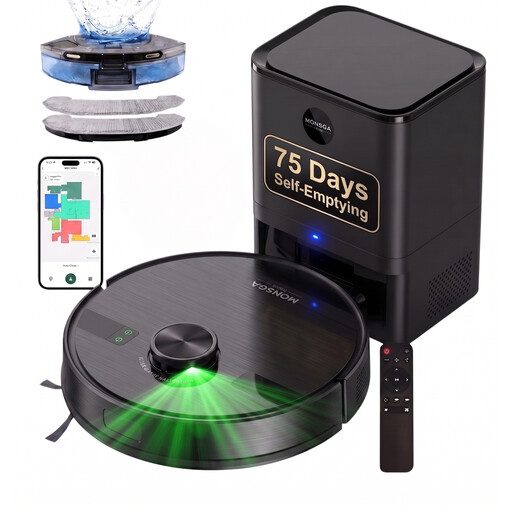
Why this choice suits this profile: Its automatic emptying station and stated battery life of 180 minutes make it an interesting option for homes where cleaning is frequent.
LiDAR navigation organises the cleaning routes, but you still need to clear away cables and objects before starting a cycle.
Stated suction of 9,000 Pa, control via app, remote control or voice command, with a 4 L station.
We've put together a comprehensive, real-time updated selection of products that meet these demanding criteria, as well as European safety regulations.
Not always. Some combined models offer a separate vacuum mode or dedicated carpet accessories. Appliances designed exclusively for hard floors, particularly certain hard floor cleaners, should not be used on carpets and rugs. Consult the manual before the first use.
It all depends on the electricity consumption, the cleaning solution, the filters, the rollers and, in the case of a robot, the station bags. Regular maintenance helps limit wear and premature replacements. So when choosing, don't just look at the purchase price: also check the availability and cost of consumables.
It varies depending on the frequency of use, battery maintenance and the replacement of wear parts. Cleaning the brushes, keeping the filters perfectly dry and following the charging cycles all help preserve the appliance's performance. Before buying, also remember to check the warranty conditions and the availability of after-sales service.