
Livraison le jour même ou le lendemain

Qualité garantie

Débloquez vos offres de bienvenue: Livraison GRATUITE | Jusqu'à -80 % | 30 jours d'essai gratuits à JoyPlus
Téléchargez l'application
Choosing wet dog food is about more than comparing flavours or the claims highlighted on the packaging. Between terrine, grain-free recipes, meat-rich food and value packs, differences in ingredients, pack sizes and practical use can affect both your budget and how you organise mealtimes.
Here are the main pitfalls to avoid and the criteria to consider before buying wet dog food.
A recipe can contain a high proportion of meat without providing a balanced everyday meal. Look for the legal wording “complete food for adult dogs” or “complete food for puppies”. This confirms that the product has been formulated to meet your pet’s nutritional needs when served according to the feeding guidelines.
By contrast, the wording “complementary food” means that the wet food must be combined with another type of food. This distinction matters more than slogans such as “natural”, “artisan” or “pure enjoyment”.
Grain-free wet dog food may appeal to personal preferences or those looking for a particular recipe. However, the absence of grains alone is not enough to judge the overall quality of a food. You should also look at the sources of protein, fats, minerals, additives and whether it is suitable for your dog’s age.
Natural dog food may contain plant-based ingredients, as well as added vitamins and minerals. This does not prevent the recipe from being complete and balanced.
A larger pack can sometimes reduce the price per gram, but it may be less practical for a small dog or for a household that mainly serves dry food. Once opened, a tin or tray should generally be stored in the fridge and used quickly, often within 24 to 48 hours depending on the label.
To avoid waste, compare the amount served each day with the weight of each tray. Small 100 to 200 g packs are handy for trying a recipe or splitting meals into smaller portions. Dog food multipacks are better suited to regular use.
Adult dog food does not automatically meet the needs of a growing animal. For a puppy, look for clear wording such as “junior”, “growth” or “all life stages”. Recipes intended for senior dogs may also come with specific recommendations, but the label remains the best reference.
Your dog’s weight, activity level and body shape should guide the amount you serve. A sporty, neutered or sedentary dog may need a different portion from the one shown in the standard feeding chart.
Ingredients are generally listed from the most abundant to the least abundant. Meat-rich wet dog food should have a clear ingredients list, with clearly identified sources of protein. General terms such as “meat and animal derivatives” are less precise than a recipe that specifies chicken, turkey, beef or lamb.
For single-protein wet dog food, check the entire ingredients list carefully, including broths, offal and additives. A recipe that highlights one type of meat may also contain other animal-based ingredients, such as egg or mussels. If your dog has a diagnosed food sensitivity, it is better to seek advice from a vet than to rely solely on packaging claims.
Wet food often contains more than 75% water. A protein content of 9 or 11% therefore cannot be compared directly with that of dry food, which contains far less moisture. Consider the protein, fat, fibre, ash and moisture levels together.
Where the information is available, energy values make it easier to measure portions. Nevertheless, use the feeding chart supplied by the manufacturer and gradually adjust the portion based on changes in your dog’s weight and body condition.
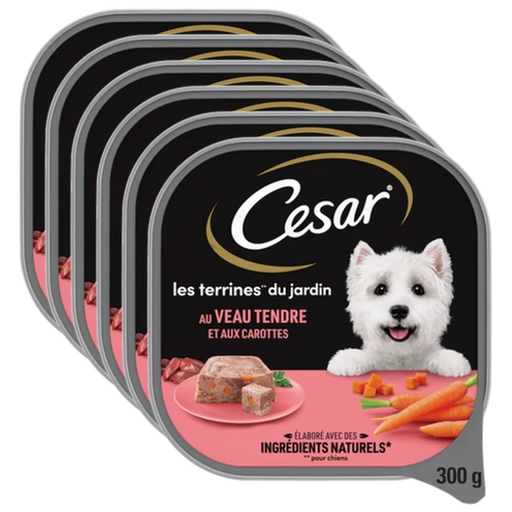
Why this choice suits this profile : With 1.8 kg of product, this pack is suitable for regular meals and helps avoid placing multiple orders. The recipe is presented as a complete food for adult dogs.
The “complete food” wording and analytical data make it possible to check the product’s true purpose, rather than judging it solely by its terrine-style presentation.
Six 300 g trays, with 8.0% crude protein and a stated moisture content of 82.5%.
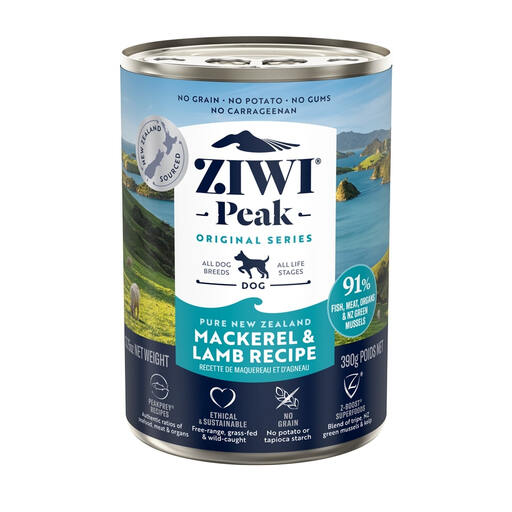
Why this choice suits this profile : This recipe is aimed at owners who want a detailed ingredients list featuring fish, lamb, offal and a range of complementary ingredients.
The detailed ingredients list lets you check for cereals, potatoes and processed meats, rather than stopping at a simple marketing claim.
Complete food suitable for all life stages, with 91% meat, offal, seafood and bone according to the product details.
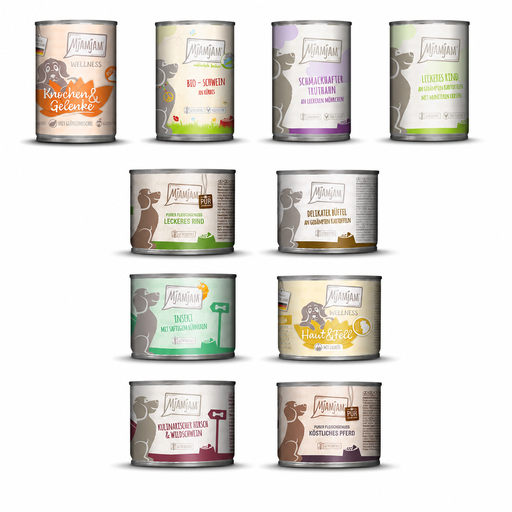
Why this choice suits this profile : This set includes several recipes and pack sizes. It is suitable for households that serve wet food regularly and want to vary their dog’s sources of protein.
The variety in the pack means you do not have to stock up on a single recipe that your dog may ultimately refuse to eat.
A selection of recipes featuring beef, chicken, turkey, game, organic pork or insects, with 200 or 400 g tins.
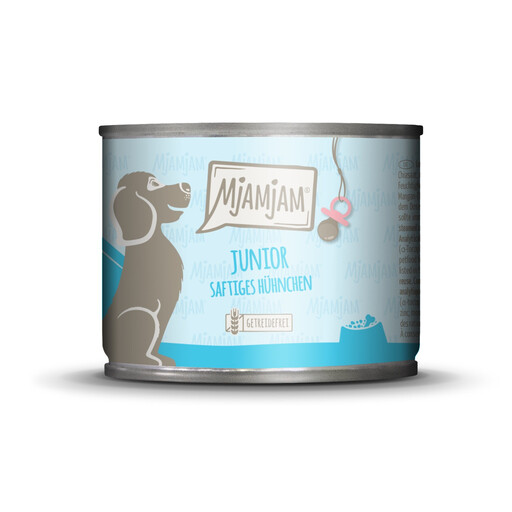
Why this choice suits this profile : This puppy food is presented as a complete food for junior dogs and provides feeding guidelines based on age and weight.
The “junior” wording helps you avoid automatically choosing adult dog food during the growth period.
The stated recipe contains 66% chicken, 4% egg, broth and minerals, with separate guidance for the 2 to 5-month and 6 to 12-month periods.
We have selected a complete, real-time updated list of products that meet these exacting selection criteria and European safety regulations.
The amount depends on your dog’s weight, age, activity level and the recipe’s energy density. Use the table on the packaging as a starting point, then monitor changes in your dog’s body condition. If wet food is served with dry food, reduce the portion of both foods.
The storage time varies according to the brand and pack size. Many recipes recommend storing the food in the fridge for 24 to 48 hours. Some product details may specify a different period. The instructions printed on the packaging of the product you buy should always be followed.
Not necessarily. A grain-free recipe may suit a personal preference or an identified need, but this single criterion is not enough to assess whether the food is balanced. First check that it is a complete food, that the recipe is suitable for your dog’s age and that its ingredients are clearly listed.