
Livraison le jour même ou le lendemain

Qualité garantie

Débloquez vos offres de bienvenue: Livraison GRATUITE | Jusqu'à -80 % | 30 jours d'essai gratuits à JoyPlus
Téléchargez l'application
Choosing the right food for your canine companion is a crucial decision. Faced with shelves overflowing with wet dog food options, it's often difficult to make sense of it all. Between unclear ingredient lists, marketing labels, and brand promises, how can you make the right choice for your dog's health and well-being??
This guide is here to bring you clarity. We will demystify the key elements to check on a label and present a selection of products that meet specific needs, whether for digestive sensitivities, weight management, or simply the quest for a high-quality diet.
Before scrutinising specific products, it's essential to know the criteria for evaluating the quality of wet food. Here are the key points to keep in mind to guide your choice.
The quality of a wet food is primarily determined by its composition. Regulations require ingredients to be listed in descending order by weight. Therefore, the first item on the list is the most abundant one.
Certain terms provide information about the product's nature and purpose.
Let's get practical with three products that caught our eye, each catering to a well-defined need.
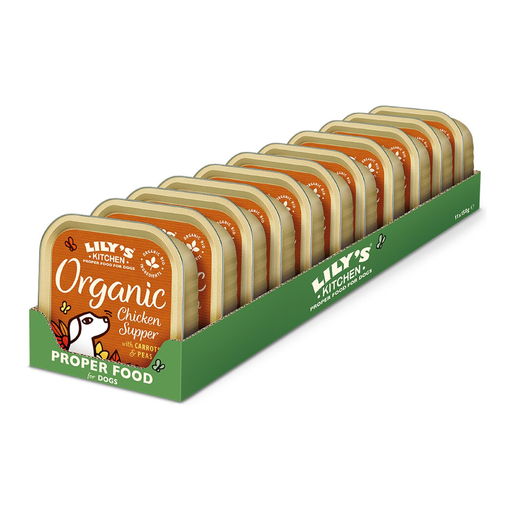
What sets it apart?: This recipe stands out for its 100% organic composition and natural formulation. It features freshly prepared, certified organic meats, a selection of vegetables and botanical herbs, all without any artificial ingredients. This transparency is a welcome feature for owners who prioritise naturalness.
Key features?:
Who is it for?? For owners seeking a high-quality organic wet dog food with traceable ingredients and a clean composition. It's also an excellent option for sensitive stomachs thanks to its very clean formula.
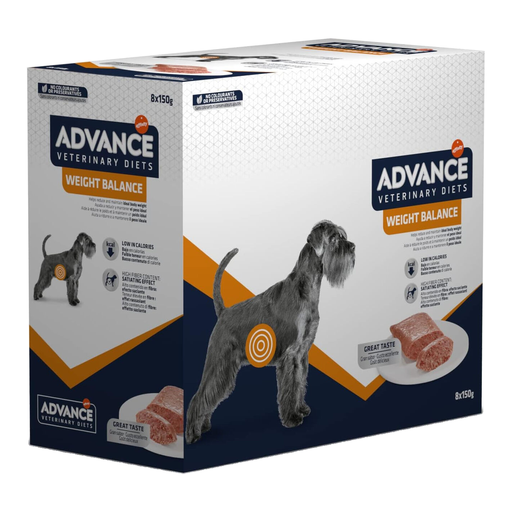
What sets it apart?: This is a complete dietetic food, specifically designed by veterinarians for a precise mission: to help reduce excess weight. Its nutritional balance is calibrated to support healthy weight loss without deficiencies.
Key features?:
Who is it for?? Exclusively for overweight or obese dogs, and always on the advice of a professional. This veterinary wet food for overweight dogs should be part of a comprehensive weight management programme that includes exercise. A veterinarian's advice is essential before using this food.
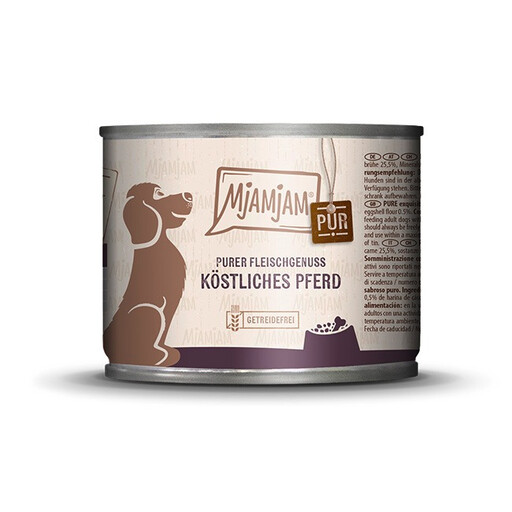
What sets it apart?: Here, the strategy is simple and effective: a single source of animal protein, horse meat. This single-protein approach is ideal for dogs with allergies or intolerances, as it avoids common protein sources (like chicken and beef) that are often the culprits.
Key features?:
Who is it for?? For dogs with sensitivities, food allergies, or digestive issues. It's an excellent base for an elimination diet conducted with a veterinarian's help, or simply for owners looking for a highly digestible single-protein wet food.
Our selection is just a starting point. Because every dog is unique, the ideal wet food for yours might be found elsewhere.
If you want to explore a wider range to find the perfect recipe for your pet, we invite you to browse our complete category.
Discover our full range of wet dog food
The main difference lies in the water content. Wet food, or p?té, contains about 80% water, compared to less than 10% for kibble. This makes it more palatable for many dogs and helps keep them well-hydrated. Kibble, on the other hand, has a mechanical brushing effect that helps limit tartar buildup. Often, the best compromise is mixed feeding (combining both).
To avoid digestive upset, any dietary transition should be gradual. Over a period of 7 to 10 days, mix the new wet food with the old, gradually increasing the proportion of the new food until the old one is completely replaced.
Yes, absolutely, provided you choose a formula specifically designed for growth ("puppy-specific"). These recipes are richer in energy, protein, calcium, and phosphorus to support the proper development of their bones and muscles. The Lily's Kitchen wet food in our selection, for example, is suitable for puppies from 4 months of age.