
Livraison le jour même ou le lendemain

Qualité garantie

Débloquez vos offres de bienvenue: Livraison GRATUITE | Jusqu'à -80 % | 30 jours d'essai gratuits à JoyPlus
Téléchargez l'application
Vacuuming and mopping floors in a single pass—it's an appealing promise. Cutting your cleaning time in half while achieving a spotless finish, who would say no to that? Yet, disappointment is often just around the corner. Many users end up with a device that fails to deliver on its promises. To avoid turning a good investment into a source of regret, it's crucial to know the most common pitfalls.
As the Head of Product Recommendations at Joybuy, my mission is to break down the technical specifications for you and help you make an informed choice. Here are the 3 most frequent design flaws to watch out for:
To avoid these disappointments, ignore the marketing claims and focus on a few key technical specifications.
The power of a wet and dry vacuum is expressed in Pascals (Pa). For effective cleaning of hard floors and low-pile carpets, aim for a suction power between 15,000 and 22,000 Pa. This ensures the device will not only pick up dry debris but also efficiently recover dirty water for a quick, streak-free dry. A dual-tank system (clean water / dirty water) is essential to avoid cleaning with already soiled water.
The choice between a corded model and a cordless wet and dry vacuum depends on your needs.
A true self-cleaning vacuum must go far beyond a simple rinse. The most advanced systems use hot water (around 60-70°C) to dissolve grease and eliminate germs, followed by a hot air-drying cycle for a perfectly hygienic, odour-free brush.
Versatility is a real bonus. Some devices are true Swiss Army knives, capable of tackling various surfaces. A good fabric spot cleaner then becomes a valuable ally for maintaining a sofa, carpets, or a car's interior, transforming into a handy sofa cleaner or car seat cleaner.
Rather than an exhaustive list, here are options that meet specific needs while avoiding the pitfalls mentioned above.

Why it stands out: Perfect for homes with children or pets, where hygiene is non-negotiable. Its dual rotating brushes ensure a deep clean, while sterilisation with electrolysed water provides chemical-free disinfection for total peace of mind.
Its self-cleaning system with hot water (70°C) followed by hot air drying tackles the root cause of bacteria and bad odours.
The dual brush ensures effective edge-to-edge coverage, and its 22,000 Pa suction power tackles even the most stubborn dirt.
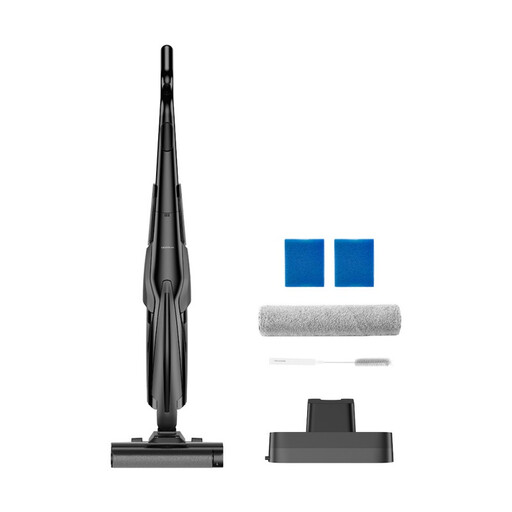
Why it stands out: The solution for anyone who despairs of cleaning under beds, sofas, and other low furniture. Its ability to recline completely flat allows it to reach areas inaccessible to most of its competitors. Its 50-minute battery life is a real convenience for large areas.
Its unique design allows it to recline 180°, definitively solving the problem of cleaning under furniture. Its station provides self-cleaning and drying at 100°C, preventing any bad odours.
Maximum flexibility thanks to its lay-flat position and 120° swivel head, all combined with 22,000 Pa of suction power.
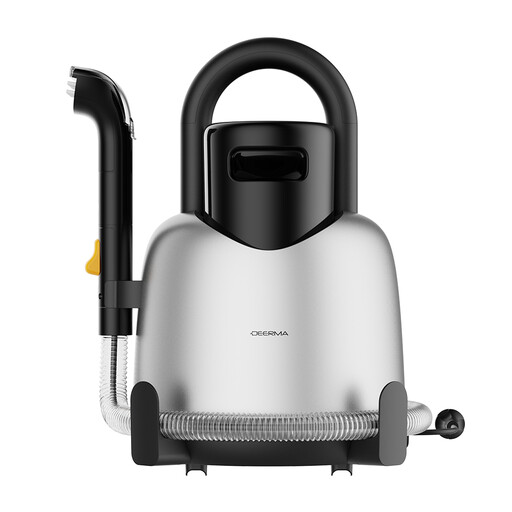
Why it stands out: Note: this is not a hard floor cleaner, but an ultra-specialised carpet and fabric spot cleaner. It is perfect for targeting stains on sofas, carpets, mattresses, or car seats with formidable efficiency.
By being specialised, it delivers power (1700W motor) and features (100°C steam, 60°C rinse) that a multi-purpose model cannot match for deep stain removal.
Its three cleaning modes (steam, hot water, cold water) and 5 brushes give it formidable versatility on all types of fabric.
We have selected a full range of products that meet our strict selection criteria and current safety standards.
For the regular maintenance of hard floors, the answer is a resounding yes. It merges both actions into a single pass, offering a dramatic time-saving. However, for long-pile carpets or large debris, a classic canister vacuum will remain more effective. Likewise, for old, set-in stains, manual action or a specific spot remover may sometimes be needed as a backup.
This is the most critical part. After each use, systematically empty and rinse the dirty water tank. If your model has a self-cleaning function, run the cycle. Ensure the brush and filters are completely dry before storing the device to avoid odours and mould. Clean the filters according to the manufacturer's recommendations, usually every 2 to 4 weeks.
Absolutely. It is imperative to only use the low-foaming cleaning solutions recommended by the manufacturer. A standard detergent could create excessive foam, damage the device's motor and circuits, and, most importantly, void your warranty.