
Livraison le jour même ou le lendemain

Qualité garantie

Débloquez vos offres de bienvenue: Livraison GRATUITE | Jusqu'à -80 % | 30 jours d'essai gratuits à JoyPlus
Téléchargez l'application
Wellness supplements are appealing for what they promise: a boost of energy, better stress management, improved concentration, or immune support. But a well-crafted label isn’t enough to make a smart choice. The form of the nutrient, the daily dose, and how long you take it often matter far more than the slogans printed on the bottle.
A very high percentage of the reference nutrient intake can look reassuring, even impressive. But it doesn’t guarantee the product is right for you. Vitamin B12, selenium, iron bisglycinate, and magnesium come in many different forms and dosages.
Start by checking the amount provided per daily dose, then look at the overall composition. With iron, supplementing without a deficiency or a clearly identified need can even be unsuitable. If you are pregnant, breastfeeding, on medication, or have a medical condition, it’s best to seek advice from a healthcare professional.
“Natural”, “marine”, “organic”, or “premium” can tell you something about the product’s origin or its marketing positioning. But these claims don’t replace the information that really counts: the form of the nutrient, excipients, allergens, number of doses, and usage precautions.
A marine magnesium with vitamin B6, for example, should be judged on its actual elemental magnesium content, not the total weight of the marine ingredient. For an omega 3 formula, also check the amounts of EPA and DHA per dose.
A cheap bottle may require several daily doses and only last a few weeks. To compare properly, look at the cost per dose and the stated duration of use. Formats with 180, 365, or 400 tablets can make your routine easier and reduce how often you need to order, as long as the daily dose is consistent with your needs.
To compare two products side by side, look for:
Claims about energy, the nervous system, or cognitive functions should be read in light of the authorised labelling and the declared composition. They are not a promise of treatment.
If you are looking for a vegan supplement, check the capsule composition, the bulking agents, and any ingredients of animal origin. Products that are gluten-free, lactose-free, or free from certain allergens can meet specific needs, but only reading the full ingredient list will give you a definitive answer.
An omega 3 based on fish oil is not suitable for a vegan diet. For a vegetarian or vegan diet, look instead for a formula based on algae oil.
Before placing an order, check:
Avoid combining several products that contain the same nutrients without adding up your intake. The risk is particularly relevant for selenium, vitamin B6, iron, and vitamin B12.
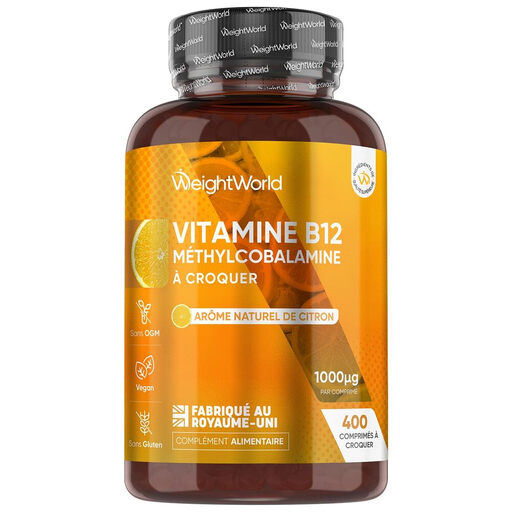
Why this choice suits this profile: The chewable format and the 400-tablet bottle make for a hassle-free routine, especially for adults looking for a vegan formula that will last a long time.
The amount of vitamin B12 is stated per tablet, and the stated duration of use makes it easy to calculate the cost per dose.
1000 µg of methylcobalamin per tablet, 400 tablets, vegan format, and a lemon-berry flavour.
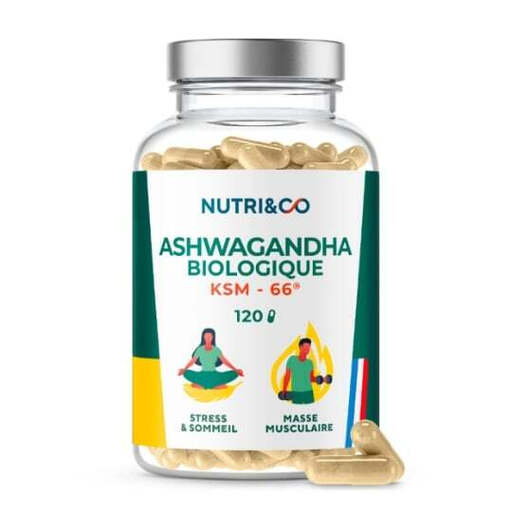
Why this choice suits this profile: This formula is aimed at adults who want to know exactly where the extract comes from, how it is standardised, and how many capsules are needed to support a stress management routine.
The product page details the KSM-66 root extract, its standardisation to 5% withanolides, and the amount provided by two capsules.
Organic root extract, 600 mg per two-capsule dose, and a vegan HPMC capsule shell.
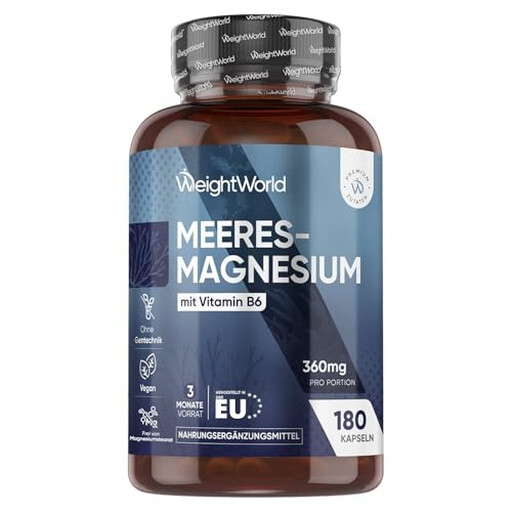
Why this choice suits this profile: With two capsules a day and 180 units in the bottle, you can plan a consistent course of use while cutting down on repeat orders.
The product page clearly states 360 mg of magnesium for two capsules and clearly distinguishes the magnesium source from the vitamin B6.
Magnesium from sea salt, in oxide form, 2 mg of vitamin B6 per dose, and a vegan formula free from gluten and lactose.
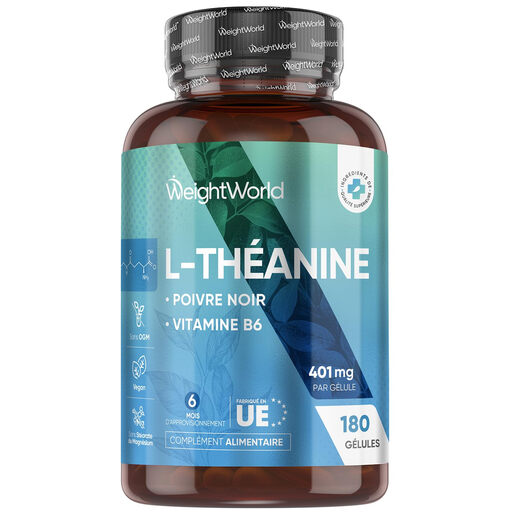
Why this choice suits this profile: The dosage per capsule is clearly stated, and the vegan, gluten-free, lactose-free formula makes it easier to choose for people with specific dietary requirements.
The composition lists the L-theanine and lemon balm extract separately, rather than grouping everything behind a general promise.
180 capsules, one capsule per day indicated, and a formula stated to be free from gluten, lactose, GMOs, and common allergens.
We’ve put together a full selection, updated in real time, of products that meet these exacting criteria and European safety regulations.
For energy support, look into vitamin B12 and iron bisglycinate, but don’t combine them automatically. The product WeightWorld Iron Bisglycinate also contains vitamin C, folic acid, and vitamin B12. However, its use should be considered with caution if there is a risk of iron overload.
If you don’t eat much fish, the product Lucovitaal Super Omega 3-6 states 600 mg of EPA and 400 mg of DHA for two capsules. This is a fish oil, not a vegan supplement.
Selenium and ginkgo biloba are also available in large formats. Remember to add up the doses you consume and check for possible interactions with your medications, especially before using plant extracts.
It all depends on the product, the dosage, and the goal you are aiming for. A bottle of 365 tablets doesn’t mean long-term use is suitable for everyone. Follow the instructions, regularly review whether this routine is still right for you, and seek medical advice if you are on medication or have a particular situation.
It is possible in some cases, but you need to compare the compositions to avoid duplication. Vitamin B6, selenium, iron, and vitamin B12 can appear in several formulas. A healthcare professional can help you check your total intake.
Start by calculating the price of the daily dose, then compare how long the bottle will last. A large format can reduce how often you need to buy, but the price should not come before label clarity, traceability, and whether the dosage is right for your situation.