
Livraison le jour même ou le lendemain

Qualité garantie

Débloquez vos offres de bienvenue: Livraison GRATUITE | Jusqu'à -80 % | 30 jours d'essai gratuits à JoyPlus
Téléchargez l'application
Occasional stress, disrupted sleep, low energy, joint discomfort, or simply wanting to cover your nutritional bases better – wellness supplements cater to a wide range of needs. With so many products on the market, however, choosing the right one can be tricky, especially when packaging promises "complete" formulas or boasts impressive dosages.
Before you place an order, it's worth separating verifiable facts from marketing claims. The ingredients, daily dose, duration of use, and usage precautions remain the most reliable criteria.
A product may display a high quantity on the front, but that could be for several capsules, or even an equivalent of raw material. To compare two products, always check the daily serving, the number of tablets to take, and the amount of each active ingredient per serving.
This is particularly important for KSM-66 ashwagandha, marine collagen, magnesium, and formulas designed for energy and sport. A dose "per tablet" cannot be directly compared to a dose "for two or four capsules".
A bottle of 180 tablets could last six months if the dosage is one tablet a day, but only 45 days if the recommended dose is four capsules. The real cost should therefore be calculated based on the number of days of use, not the number of tablets printed large on the packaging.
This method also helps you compare multivitamins, sleep supplements containing melatonin, joint formulas, and beauty products for hair, skin, and nails more fairly.
A food supplement never replaces a varied, balanced diet. The presence of caffeine, iron, high-dose vitamin D, herbs, or fish could influence your choice depending on your circumstances.
Read the label carefully if you are pregnant or breastfeeding, if you are on medication, if you have a chronic condition, or if you need to have a blood test. Biotin, for example, should be mentioned to your doctor before certain tests. People with seafood allergies should avoid marine collagen formulas.
Go for labels that detail the ingredients, quantities per dose, and reference nutritional values where available. For vitamins and minerals, check the percentage of NRV to avoid taking several products that provide the same nutrients.
With a magnesium, zinc, vitamin B6 formula, look closely at the form of magnesium and the elemental amount stated. With a ZMA formula, the weight of the compound used does not necessarily equal the actual amount of magnesium.
Tablets, capsules, gummies, liquid sticks, or chewable tablets: the most suitable format depends on your habits, not on an advertising claim. Someone who travels regularly might prefer individual doses, while a daily user will look for a bottle with a clearly stated duration of use.
Claims like "vegan", "gluten-free", or "lactose-free" should also be checked in the ingredient list and allergen information, rather than assumed from the packaging design.
Claims about vitamins and minerals must comply with the European framework for nutrition and health claims. They describe the recognised role of a nutrient in the body and are in no way a promise of treatment.
This applies to vitamin D3 K2, multivitamins, biotin, magnesium, and zinc. Plant extracts such as ashwagandha, hops, saw palmetto, or boswellia deserve special attention: their traditional uses and the information provided by brands should not be confused with a guarantee of individual effectiveness.
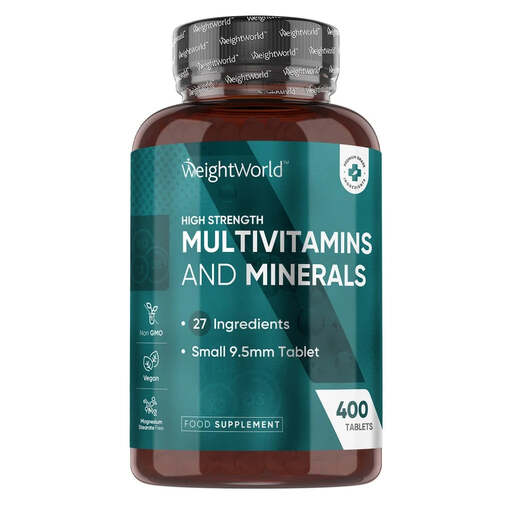
Why this suits this profile: With a stated dosage of one tablet per day and a bottle of 400 tablets, it's easy to estimate the cost over time.
The stated duration and daily dose make it easier to compare the cost of use, without focusing solely on the number of tablets.
A formula stated as vegan and gluten-free, with 27 vitamins and minerals listed on the product page.

Why this suits this profile: The individual liquid format is ideal for adults who want to easily incorporate a ready-to-drink dose into their routine.
Each box contains 30 sticks of 25 ml, and the product page states the daily dose, making it easy to plan how long it will last.
12,500 mg of hydrolysed marine collagen per stick, combined with hyaluronic acid, vitamin C, vitamin D, and biotin. Contains fish.
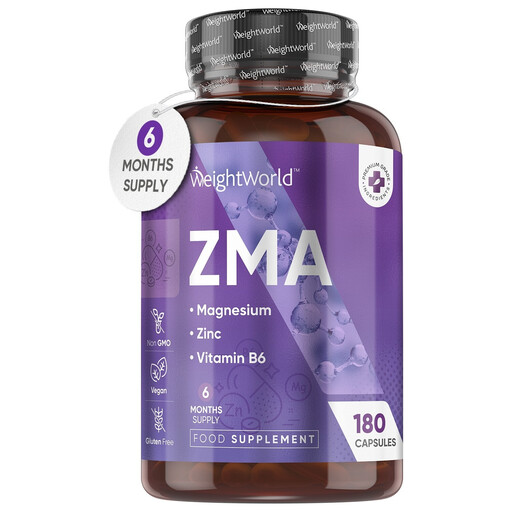
Why this suits this profile: This formula is aimed at active people looking for a clearly dosed combination in a single daily capsule.
Quantities are stated per capsule: 250 mg of magnesium, 15 mg of zinc, and 3.5 mg of vitamin B6. Comparison is therefore immediate.
180 capsules, in a format stated as vegan and gluten-free. The product page notes the dosage limits and storage conditions.
For a more targeted need, you can also compare KSM-66 ashwagandha, a sleep supplement containing melatonin, vitamin D3 K2, biotin for hair, skin, and nails, a menopause supplement, a joint formula, or a prostate supplement. Athletes should particularly check for caffeine in pre-workout formulas like Amok.
We have compiled a complete list, updated in real time, of products that meet these strict selection criteria and the requirements of European safety regulations.
The duration depends on the formula, the dose, and your goal. Start by following the dosage on the packaging, then reassess whether the product is still useful once the recommended period is over. For long-term use, seek advice from a healthcare professional.
It is possible in some cases, but you first need to check for any overlaps, particularly with zinc, iron, vitamin D, vitamin B6, and magnesium. Avoid combining several high-dose products without medical advice.
For sleep, look at the melatonin content, the dose per serving, and any warnings about medication or driving. For energy, compare the B vitamins, magnesium, and any caffeine content. The supplement you choose should meet your real needs: it does not replace rest or a balanced diet.