
Livraison le jour même ou le lendemain

Qualité garantie

Débloquez vos offres de bienvenue: Livraison GRATUITE | Jusqu'à -80 % | 30 jours d'essai gratuits à JoyPlus
Téléchargez l'application
Low energy, disrupted sleep, everyday stress or a desire to supplement the family diet : wellbeing food supplements cater to a wide range of needs. But an attractive label is not enough to make the right choice. Between dosages stated as “powder equivalent”, formulas that are difficult to compare and catch-all claims, it is easy to buy a product that does not suit your routine.
Here are the main criteria to consider before choosing a food supplement for energy and vitality, sleep, magnesium and vitamin B6, omega-3 or children’s vitamins.
A concentrated extract may be presented with a particularly high powder equivalent. For example, an extract with a 40:1 ratio stated as 20 000 mg does not necessarily mean that the capsule contains 20 000 mg of raw material. Check the “composition” section, verify the extraction ratio and take the daily serving into account.
This distinction is particularly important for shilajit, milk thistle, spirulina and chlorella, moringa and certain antioxidants.
A formula combining zinc, vitamins, botanicals, probiotics and superfoods can give the impression of being a very comprehensive product. However, if each active ingredient is only present in a small amount, comparisons can quickly become misleading. Look at the quantities per daily serving, rather than simply counting the ingredients highlighted on the front of the packaging.
A supplement designed for adults is not automatically suitable for children. Similarly, a formula containing melatonin, ashwagandha or ZMA, or one intended to support female hormonal balance, may require certain precautions. Age, current medication, pregnancy, breastfeeding and allergies are all factors to consider.
A food supplement is not a substitute for a varied diet or medical advice when symptoms persist.
Compare the amount per serving, the chemical or botanical form of the active ingredient and, where applicable, its standardisation level. For magnesium and vitamin B6, the product information should distinguish between the amount of elemental magnesium and that of the compound used, such as magnesium oxide.
For omega-3, check the EPA and DHA levels separately rather than relying solely on the total weight of the oil. Krill oil may also contain phospholipids and astaxanthin. However, it is not suitable for people with shellfish allergies or those following a vegan diet.
A bottle of 180 capsules may last three, four or six months depending on the recommended dosage. This is the information you need to assess the true cost of your routine. For children, carefully follow the stated age, maximum dose and requirement for use under adult supervision.
Gummies are easy to take, but may contain sugar or glucose syrup. Capsules are generally more compact and better suited to long-term use.
Choose product information that clearly states :
People looking for a vegan, organic, gluten-free or lactose-free formula should check the ingredients, as well as the capsule shell. Krill oil, for example, contains marine-derived gelatine, while several products featured below use a vegetable HPMC capsule.

Why this choice suits this profile : A short, easy-to-understand formula for starting a daily routine, with two capsules per day and a bottle containing 180 capsules.
The product information specifies a serving of two capsules, providing 360 mg of magnesium and 2 mg of vitamin B6, rather than simply presenting a general blend.
A vegan, gluten-free, lactose-free and sugar-free formula, providing a stated 90-day supply.
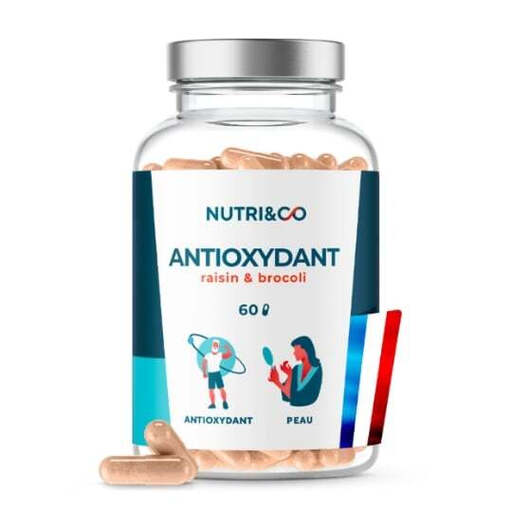
Why this choice suits this profile : This vegan formula is aimed at adults who want to compare several documented active ingredients directly on the label.
The daily dose details the quantities of grape seed extract, broccoli complex, coenzyme Q10 and vitamin C.
Two capsules provide 360 mg of grape seed extract, 20 mg of coenzyme Q10 and 12 mg of vitamin C, among other nutrients.
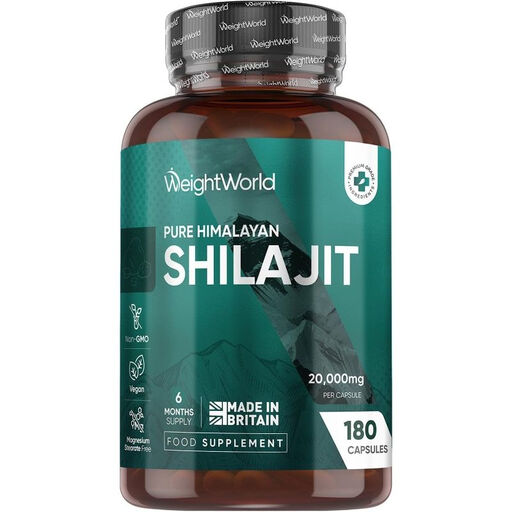
Why this choice suits this profile : Its 180-capsule format is suitable for adults looking for a simple supplement to take over several months and wanting to add shilajit to a vitality routine.
The product information clearly states a 40:1 extract and distinguishes the 20 000 mg equivalent from the amount of extract actually used.
One capsule per day, a vegan shell and a stated 180-dose supply. Check the usage precautions before starting.
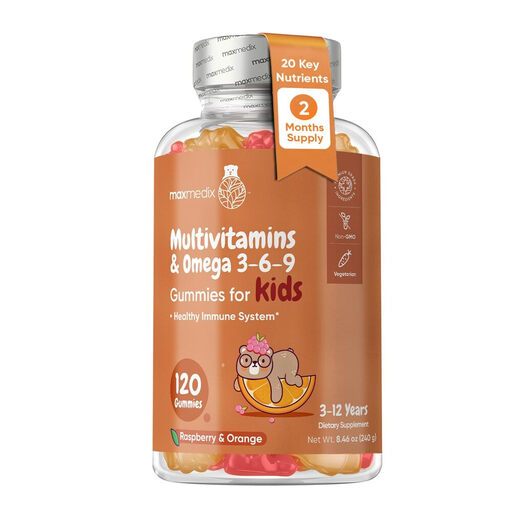
Why this choice suits this profile : A chewable format designed for children aged 4 and over, when conventional tablets are difficult to swallow.
The recommended age, one gummy per day and adult supervision are clearly stated. You should also take the sugar content and any other sources of vitamin A into account.
A pectin-based formula with no gelatine, containing vitamins A, C, D3, E, B6 and B12, as well as zinc and iodine.
We have put together a complete, real-time updated selection of products that meet these strict criteria and the requirements of European safety regulations.
For a food supplement intended to support sleep, compare the presence and dosage of melatonin, as well as any accompanying botanicals, such as passionflower or lemon balm. Melatonin can affect alertness: follow the instructions and seek advice if you are already taking medication.
For better stress management, ashwagandha KSM-66, magnesium and ZMA are among the most frequently searched categories. The Nutri&Co Ashwagandha Bio KSM-66 product states a dose of 600 mg of extract for two capsules and advises against use in certain liver conditions, during pregnancy or while breastfeeding without medical advice.
Needs relating to the menopause, female hormonal balance, joint comfort or prostate support require the same level of caution. A formula such as MenoPhase Complex combines botanicals and vitamins, while a joint supplement may contain hyaluronic acid, boswellia and vitamin C. These products must not be presented as treatments.
It depends on the use-by date shown on the packaging and the storage conditions. Close the bottle carefully, keep it away from moisture and heat, and follow the manufacturer’s instructions. Some sensitive formulas need to be refrigerated after opening.
This is possible in some cases, but you need to add up your vitamin and mineral intake to avoid duplication. Take particular care with vitamin D3, zinc, vitamin B6, magnesium and iodine. If you are taking medication, are pregnant or breastfeeding, or have a health condition, seek advice from a healthcare professional.
Compare the price per dose rather than the price of the bottle alone. A box of 180 capsules may seem more expensive to buy, while costing less per day depending on the recommended serving. Conversely, gummies and formulas combining numerous active ingredients can increase the price of each dose.