
Livraison le jour même ou le lendemain

Qualité garantie

Débloquez vos offres de bienvenue: Livraison GRATUITE | Jusqu'à -80 % | 30 jours d'essai gratuits à JoyPlus
Téléchargez l'application
WeightWorld food supplements cover a wide range of everyday needs: vitamin D3, zinc, biotin, magnesium, vitamin C, selenium, or combined formulas. Such a vast choice makes comparison easier, but it can also make the decision less straightforward.
Before placing an order, three common pitfalls keep cropping up:
In the UK, the label, the recommended daily dose, allergens, and usage precautions should always take priority over marketing claims such as "high strength", "optimised absorption", or "complete formula".
The first step is to consult the nutritional panel, rather than relying solely on the product name. For magnesium, compare the amount of elemental magnesium. WeightWorld Magnesium Citrate provides 222 mg of elemental magnesium per capsule, while Magnesium Marine + B6 delivers 360 mg for two capsules.
The same principle applies to zinc: the zinc citrate gummies show 50 mg of zinc citrate, of which 15 mg of elemental zinc per gum. The vitamin C and zinc formula, meanwhile, provides 1,000 mg of vitamin C and 10 mg of zinc per tablet.
Tablets, capsules, and gummies don't fit into a routine in the same way. The 8 mm vitamin D3 micro-tablets may suit those looking for a discreet option at mealtime. Gummies are easy to take without a glass of water, but they typically contain glucose syrup or sugar.
Also check the number of servings each bottle covers:
This approach lets you compare the daily cost, rather than just the price on the bottle.
Claims such as vegan, vegetarian, gluten-free, lactose-free, non-GMO, or free from declared allergens should be checked on each product page. Several WeightWorld formulas are vegan and gluten-free, including magnesium citrate, selenium, and certain gummies.
Caution is needed with high dosages. A gum providing 15 mg of elemental zinc should not be taken over a long period without medical advice: a significant and prolonged intake can reduce copper absorption. Formulas containing vitamin K2, potassium, iodine, or spirulina also require extra attention if you are on medication, pregnant, breastfeeding, or have a health condition. In these situations, it's best to seek advice from a healthcare professional before taking anything.
Claims regarding vitamin D's contribution to the maintenance of normal bones and muscle function, as well as the normal function of the immune system, or those of magnesium concerning fatigue and muscle function, are authorised at European level when used under the specified conditions. They do not constitute a diagnosis or a promise of individual results.
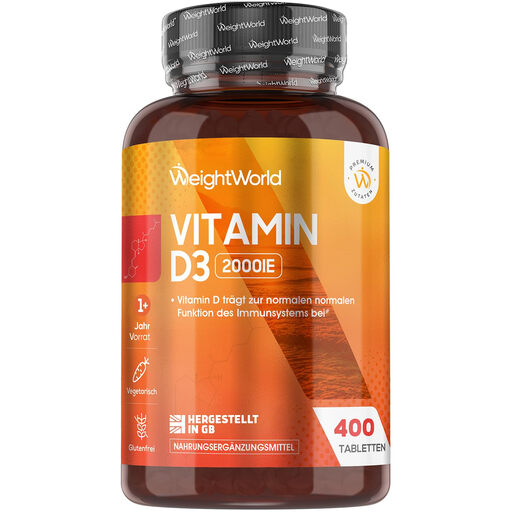
Why this choice suits this profile: A simple formula, taken once daily, with over a year's supply to get started without juggling multiple products.
The panel clearly shows 50 µg of vitamin D3 per tablet, without a long list of active ingredients that are hard to compare.
400 tablets, vegetarian format, gluten-free and non-GMO, compact 8 mm tablets.
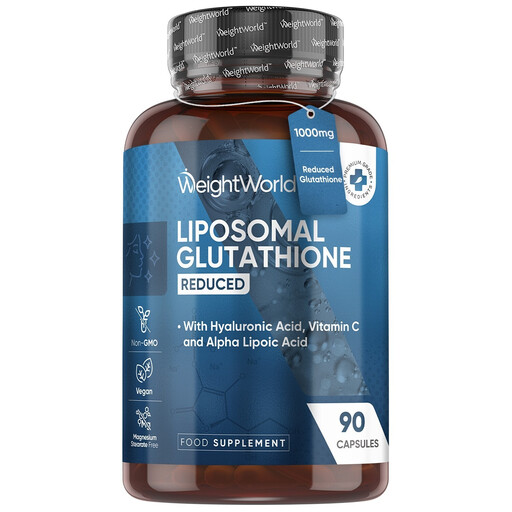
Why this choice suits this profile: A single capsule combines liposomal glutathione, vitamin C, alpha-lipoic acid, and hyaluronic acid.
The quantities are detailed per capsule: 333.3 mg of glutathione, 66.7 mg of vitamin C, and 6.7 mg of alpha-lipoic acid.
Vegan formula, non-GMO, 90 capsules, hypromellose capsule shell, and neutral taste.
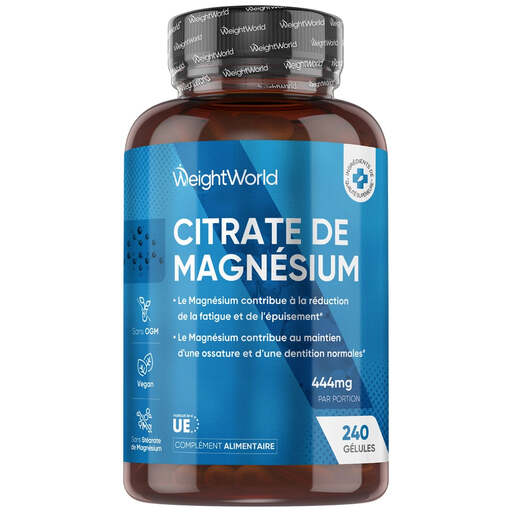
Why this choice suits this profile: With 240 capsules, this format is ideal for a regular routine, especially for those looking for magnesium that is gluten-free, lactose-free, and vegan.
The product page clearly distinguishes the 740 mg of magnesium citrate from the 222 mg of elemental magnesium per capsule.
240 capsules, one capsule per day, vegan formula, and manufactured in Europe according to the information provided.
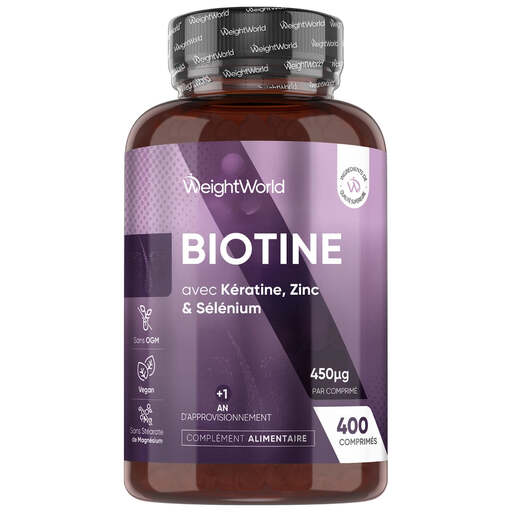
Why this choice suits this profile: This combination brings together biotin, hydrolysed keratin, zinc, and selenium in a single formula, so you don't need multiple bottles.
The composition is stated to be free from gluten, lactose, colourings, flavourings, GMOs, and declared allergens, with a dose of one tablet per day.
400 tablets, vegan format, and authorised European health claims for biotin, zinc, and selenium.
We've compiled a complete and up-to-date selection of products that meet these strict criteria, while also taking European safety regulations into account.
It all depends on the number of tablets or gummies and the daily dose. A bottle of 400 tablets taken at one per day covers 400 days, while 90 gummies taken as two per day correspond to 45 days. To compare formats, always calculate the number of servings, not just the number of units.
In some cases, yes, but you need to add up the nutrient amounts from each formula. Pay particular attention to zinc, selenium, vitamin D3, vitamin C, and magnesium. If you are on medication or have a specific condition, ask a healthcare professional for advice.
They can be a good option for people who struggle to swallow or prefer taking supplements without water. On the downside, they sometimes contain sugar or glucose syrup and often require two units per day. Tablets and capsules generally offer more choice for long-term routines.