
Livraison le jour même ou le lendemain

Qualité garantie

Débloquez vos offres de bienvenue: Livraison GRATUITE | Jusqu'à -80 % | 30 jours d'essai gratuits à JoyPlus
Téléchargez l'application
Weight-loss supplements appeal to consumers with promises of a slimmer silhouette, renewed energy or a greater sense of lightness. But without checking what a product actually contains, the cost can quickly add up for a formula that matches neither your needs nor your habits. The right approach? Examine the ingredients, serving size and usage precautions rather than relying solely on marketing claims.
These products are not a substitute for a varied diet, physical activity or advice from a healthcare professional when needed. They may simply complement a personal approach to weight management or overall wellbeing.
Behind labels such as fat burner, weight-loss supplement or slimming tea are very different formulas. Some combine green tea extract, guarana and caffeine. Others focus on plants traditionally used in infusions or on a composition designed to support fluid balance.
The product name does not tell you everything. Take the time to review the full ingredient list, the amount provided per serving and the recommended daily intake.
“1,200 mg” or “3,000 mg” may sound substantial, but you still need to know what the figure refers to: one capsule, a serving of two or three capsules, or the total amount of a blend. For raspberry ketone, green tea extract or a CLA supplement, always compare the amount actually consumed over the course of a day.
A large pack does not necessarily mean better value. To determine its real cost, calculate how many days of use it provides based on the recommended dosage.
Green tea, guarana and anhydrous caffeine can quickly increase your total caffeine intake. Remember to add up the caffeine provided by coffee, tea, energy drinks and supplements.
Pregnant or breastfeeding women, minors, people taking medication and anyone with a health condition should seek advice from a healthcare professional before use.
Start by noting three essential details:
Capsules are generally suitable for those who want a consistent routine without any particular preparation. A slimming tea may fit more naturally into a daily break, but you will need to heat water and remain mindful of stimulating ingredients.
If you are looking for a vegan supplement, check the material used for the capsule shell. Hypromellose and tapioca starch are plant-based, unlike certain gelatins. Claims such as gluten-free, lactose-free, “free from major allergens” or “GMO-free” should also be verified on the packaging and product page.
The presence of a plant-based ingredient does not automatically mean that the formula is suitable for everyone. Dandelion, juniper, bladderwrack, liquorice and rhubarb may require particular precautions depending on your health and any medication you take.
When purchasing in France, make sure the product has a French-language label and clearly states the ingredients, net quantity, best-before date, storage conditions and maximum recommended daily dose. For products sold on the European market, the presence of a responsible person established within the European Union is also useful information.
Be wary of advertisements that guarantee rapid or dramatic weight loss. A food supplement must not be presented as a treatment or a miracle solution.

Why this product suits this profile: with 20 sachets, this box lets you try an infusion-based routine without committing upfront to a large number of capsules.
The ingredients are clearly listed: 37% green tea, hibiscus, mint, 8% guarana and liquorice. Its caffeine content should therefore be factored into your daily intake.
20 sachets and a fruity pomegranate infusion with green tea, hibiscus, mint and guarana.
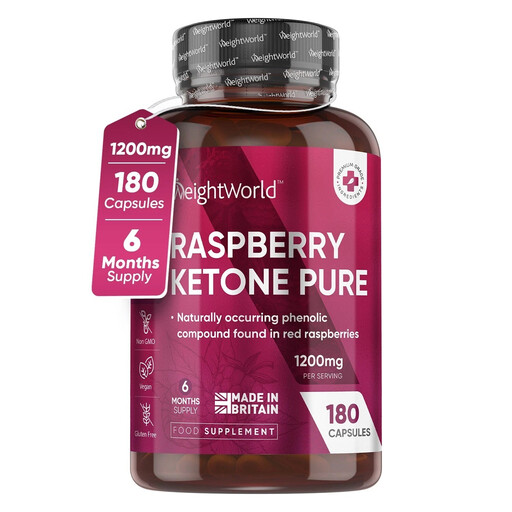
Why this product suits this profile: its streamlined formula is designed for people who prefer to focus on a single substance rather than a blend of ingredients.
The product page states 1,200 mg of pure raspberry ketone per serving and recommends one to two capsules a day. Be sure to check the reference serving before comparing products.
180 capsules, a hypromellose shell and a formula described as vegan, gluten-free and GMO-free.
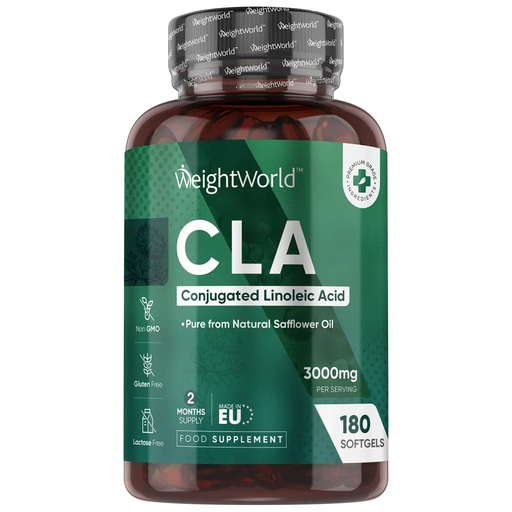
Why this product suits this profile: its softgels with a plant-based shell may suit adults who want to add plant-based CLA to an established routine.
The dosage is clearly stated: three capsules provide 3,000 mg of CLA standardised to 80%. Based on the stated dosage, the box lasts approximately two months.
A tapioca-starch shell, a formula described as vegan, gluten-free and lactose-free, plus 180 capsules.
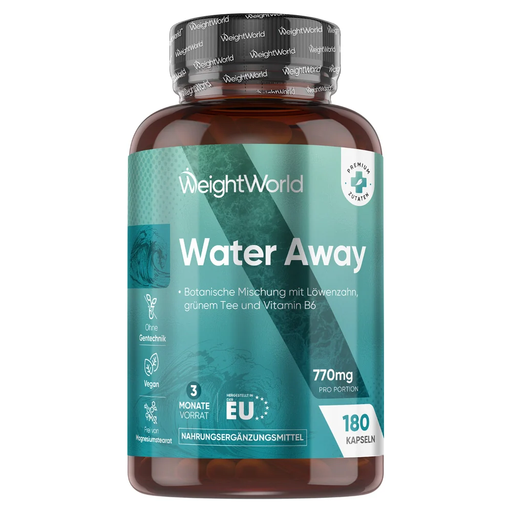
Why this product suits this profile: this plant-based formula is intended for people who want to focus their routine on fluid balance and reduce feelings of puffiness or bloating.
The product page sets a maximum dose of two capsules per day and details the extracts used, including dandelion, nettle, green tea, juniper and cranberry.
180 capsules and a formula described as vegan, gluten-free and lactose-free, with 50 mg of potassium and 10 mg of vitamin B6 per serving.
We have brought together an up-to-date selection of products chosen according to practical criteria covering ingredients, labelling and use for the French market.
It depends on the product and its recommended dosage. Start by calculating the number of servings available, then follow the duration indicated on the packaging. Do not continue taking the supplement beyond the recommended period, and regularly reassess its genuine value within your routine.
No. However, formulas containing green tea, guarana or green tea extract may contain caffeine. Check the ingredients and add this amount to your daily intake from coffee, tea and energy drinks.
An infusion made with rhubarb, liquorice, aniseed and mint, such as Richter’s Weight Loss Tea, has a different composition. That does not mean it is free from usage precautions: read the label carefully before consuming it.
A draining supplement is generally associated with fluid balance and a feeling of lightness, not with proven fat loss. A change in body weight caused by water should not be confused with a reduction in body fat.
Choose your product according to your actual objective: establishing a wellbeing routine, complementing a targeted nutritional intake or supporting a broader approach to weight management.