How do the formats compare?
For your weekly shop, start with how much you’ll use, then compare the recipes based on their ingredients and your morning routines.
| What matters |
What to check |
Who it matters to |
| How much you’ll use |
Net weight and stated serving size; number of bowls planned for the week. |
When we eat the same recipe every morning, I want a pack that covers the bowls we have planned without leaving a large amount unused. Around 29% of consumers say that matching pack size to consumption is their top priority. |
| Ingredients and nutrition |
Sugars, fibre and salt per 100 g; ingredients list for each recipe. |
If I’m comparing a box of ready-to-eat cereal with porridge oats, I want to assess their nutritional content on the same basis. This is the main consideration for around 29% of consumers. |
| Ingredients to avoid |
Allergens highlighted on the label, warnings about possible traces and the exact product ingredients. |
In a household where someone needs to avoid certain ingredients, I first check that the recipe they’ll be eating is suitable for them. For around 24% of consumers, this comes before all other considerations. |
| Variety and preparation |
One recipe, a variety pack or a base to customise; how much preparation you’re happy to do. |
When everyone wants a different bowl, I’d rather have a choice of recipes without opening several large packs. Around 18% of consumers say this flexibility is their main priority. |
Cereal and porridge oats on Joybuy
This selection includes ready-to-eat cereal, an oat preparation in sachets and instant porridge oats. For your weekly shop, match each pack size to the bowls you have planned and check the ingredients for each recipe.
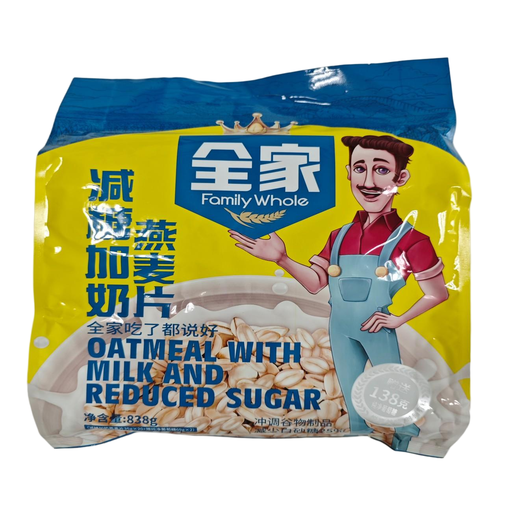 Image unavailable
Family Whole Milk Oat Flakes with glucose, 838 g
The individual sachets may suit households that want to spread this oat preparation over several mornings. The stated weight of 838 g includes 700 g of oat preparation, divided into 20 sachets of 35 g, plus 138 g of separate glucose. So don’t compare it with the weight of a pack containing cereal alone. Check the nutritional information for the exact recipe, despite the reference to reduced sugar in its name.
View on Joybuy
 Image unavailable
Steamed instant oats, 700 g
This 700 g pack is for households that prefer to prepare a base of oats rather than serve ready-to-eat cereal. The product description suggests preparing it with hot water. Choose the quantity for each bowl according to the pack instructions, and check the label for the exact product’s ingredients and allergens.
View on Joybuy
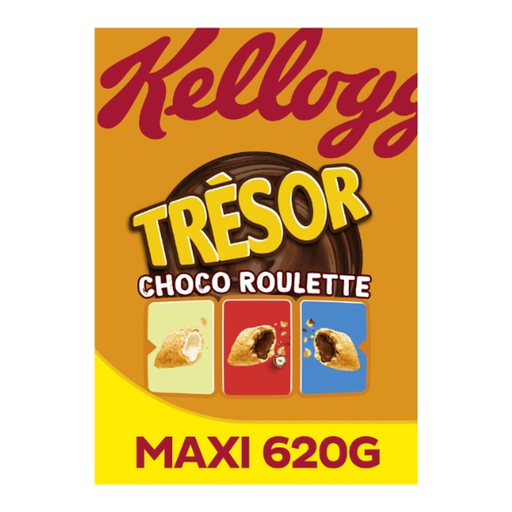 Image unavailable
Kellogg's Tresor Chocolate, 620 g
This 620 g box of chocolate cereal may suit households where several people regularly choose the same ready-to-eat recipe. To work out how many mornings it will cover, base your estimate on how much your household actually serves. Also compare the sugars per 100 g and check the allergens on the exact pack.
View on Joybuy
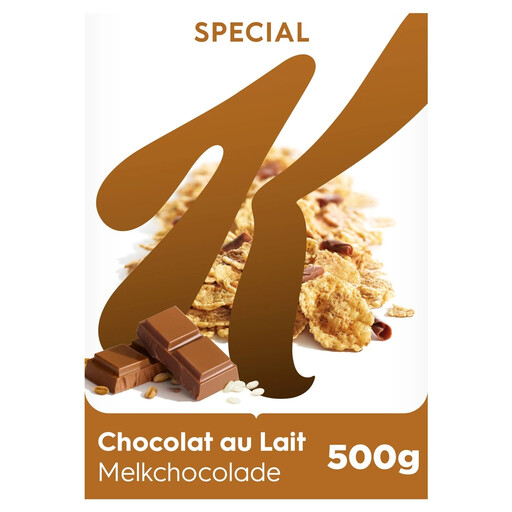 Image unavailable
Kellogg's Special K Milk Chocolate, 500 g
This 500 g box is worth considering if your household shares a ready-to-eat chocolate cereal, but you don’t necessarily need a 750 g box. The stated serving size is 30 g, and the number of bowls will depend on how much you actually serve. Check the ingredients and allergens for this variety.
View on Joybuy
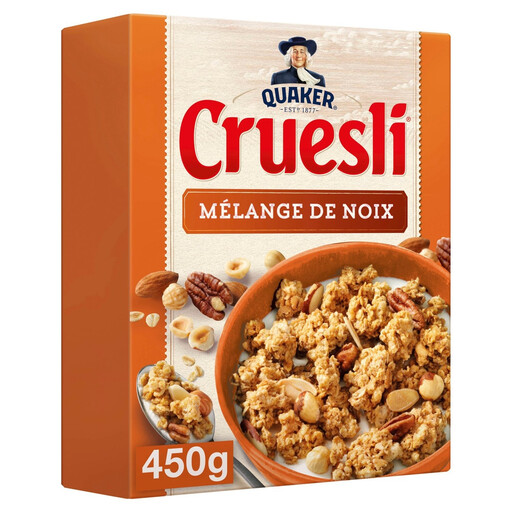 Image unavailable
Quaker Cruesli Mixed Nuts, 450 g
This nutty cereal mix may appeal to households looking for a ready-to-eat recipe with a variety of ingredients rather than a plain oat base. Check how many bowls the 450 g pack will cover during the week, and read the exact pack for its list of nuts and other allergens.
View on Joybuy
Frequently asked questions
How do you compare two different-sized boxes for the week?
First estimate how many bowls each box will cover based on your usual portions, then compare the recipes using the same nutritional basis. The DGCCRF states that the nutritional declaration for pre-packed foods is given per 100 g or 100 ml, making it easier to compare sugars, fibre and salt, for example.
Is the Nutri-Score enough to help you choose cereal for the family?
No. It’s a useful guide for comparing products, but it doesn’t give you a complete picture of the recipe. According to Santé publique France, it’s calculated per 100 g or 100 ml and displaying it is voluntary. Also check the ingredients, allergens and nutritional information per 100 g.
What should you check if someone in your household needs to avoid certain ingredients?
Check the ingredients list, allergens highlighted on the label and any warnings about possible traces for the variety they’ll be eating. For a variety pack, check each recipe; if you’re choosing muesli with nuts, don’t rely on the name of the mix alone.
What should you look for on a large box of cereal?
Check the net weight, ingredients list, allergens and the date shown on the pack. The DGCCRF includes these among the information required on food labels. They can help you choose the right recipe and pack size for your household.


