
Livraison le jour même ou le lendemain

Qualité garantie

Débloquez vos offres de bienvenue: Livraison GRATUITE | Jusqu'à -80 % | 30 jours d'essai gratuits à JoyPlus
Téléchargez l'application
Weeding is a recurring chore for every gardener. Maintaining a pristine vegetable patch, flowerbed, or pathway requires time and energy. A weed control fabric is an effective and long-lasting solution for managing weeds, protecting the soil, and even reducing the need for watering. But with a jungle of options available, it can be hard to know where to start. This guide is here to shed light on the essential criteria and present our top picks, helping you make the right choice for your unique garden.
Before making a purchase, several technical criteria must be considered. These will determine the effectiveness and lifespan of your installation.
The weight, expressed in grams per square metre (g/m?), is the primary indicator of the fabric's strength and thickness.
The vast majority of fabrics are made from polypropylene, a material known for its durability and UV resistance. There are two main types: woven and non-woven.
For a vegetable garden or a long-term landscaping project, a woven and permeable mulch fabric is the best compromise. It acts as a formidable weed-blocking fabric while preserving the health of the soil.
Weed control fabrics come in a multitude of widths and lengths. Take the time to accurately measure the area you need to cover before ordering. For large-scale projects, like creating a hedge or a large vegetable garden, a 50 or 100 m roll will often be more economical and practical, saving you from having to join multiple pieces.
Here is our selection of products that cater to different uses, from small vegetable plots to large-scale landscaping projects.

Why it stands out?: This extra-large roll is designed for large-scale projects. Its robust woven structure makes it a professional-grade solution, built to last for years.
Benefits?:
Who is it for?? Ideal for landscapers, horticulturists, and amateur gardeners tackling major projects who are looking for a reliable and cost-effective long-term solution.
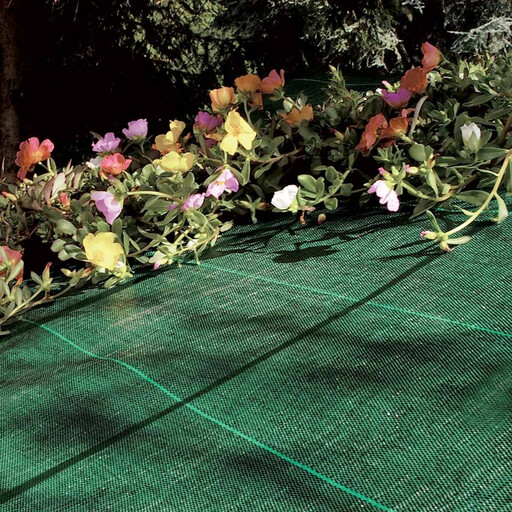
Why it stands out?: Its extra-wide 3.30-metre design allows you to cover immense areas with minimal joins. A huge time-saver during installation!
Benefits?:
Who is it for?? For professionals and discerning individuals who need to cover very large areas quickly and efficiently, whether for crops, flowerbeds, or stabilising an embankment.
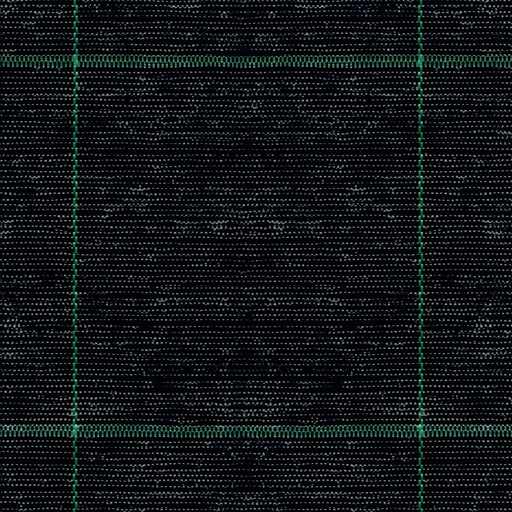
Why it stands out?: A compact size, perfect for small gardens, raised beds, or targeted landscaping. It offers professional quality in a more accessible format.
Benefits?:
Who is it for?? For urban gardeners, owners of small vegetable patches, or anyone who wants to test the effectiveness of a vegetable patch cover on a small plot before committing to a larger project.
The models presented here cover many needs, but every garden is unique. If you require different widths, lengths, or weights, other options are available.
? Explore our full range of black garden fabrics to find the perfect model for your project.
1. How long does weed control fabric last? The lifespan of a weed control fabric depends on several factors: its weight, its UV treatment, and its exposure to sun and weather. A professional-grade fabric (over 100 g/m?) with a good UV treatment can last from 5 to 10 years. This lifespan can be extended even further if it is covered with a mulch (mineral or organic) that protects it from direct sunlight.
2. How do you secure weed control fabric effectively? For a successful installation, the fabric must be pulled taut and firmly anchored to the ground. The most common method is to use U-shaped metal landscape staples, inserted approximately every metre around the perimeter and at the seams. Alternatively, you can dig a small trench (15-20 cm) to bury the edges of the fabric and then cover them with soil.
3. Should I remove the weed control fabric in winter? No, it's generally not necessary. Leaving it in place during the winter continues to protect the soil from erosion and inhibits the growth of cold-season weeds. It also helps preserve the soil structure and maintain a certain temperature. If you plan to reuse it elsewhere, just be sure to clean it thoroughly and store it in a dry place.