
Livraison le jour même ou le lendemain

Qualité garantie

Débloquez vos offres de bienvenue: Livraison GRATUITE | Jusqu'à -80 % | 30 jours d'essai gratuits à JoyPlus
Téléchargez l'application
An icy draught seeping under the door, a skyrocketing heating bill… The culprit? Very often, it's poor insulation around your home's openings. Weatherstripping doors and windows is a simple and cost-effective solution to improve comfort and achieve significant home energy savings. But when faced with the overwhelming array of products on the shelves, it's easy to fall into common traps and make a useless purchase.
As a product expert at Joybuy, my mission is to help you see clearly. Let's forget the marketing jargon and focus on the facts to choose the right solution. Here are the mistakes to avoid:
For a successful purchase, three technical points must be scrutinised. These are what will guarantee the effectiveness and lifespan of your cold-weather door insulation.
The type of fixing is crucial: it determines both durability and ease of installation.
The choice of material is not trivial: each situation has its own solution.
Good weatherstripping is weatherstripping that perfectly matches the real-world situation.
Instead of just a random list, here is our selection of products that meet specific needs, all while avoiding the common pitfalls.
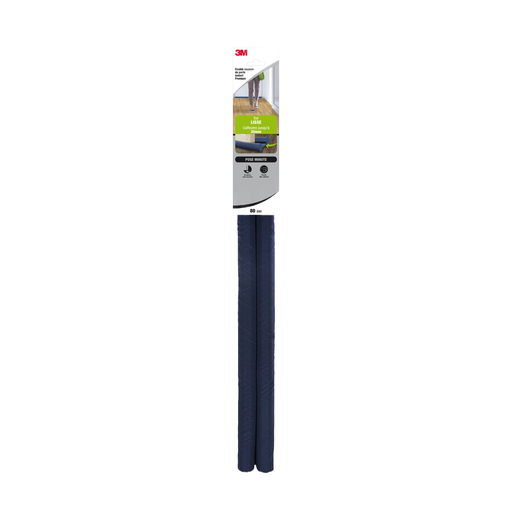
Why we chose it: The dream solution for renters or anyone looking for an immediate, reversible fix. It slides under the door in seconds, without glue or screws, and can be removed at any time.
Since it's adhesive-free, it sidesteps the trap of low-quality glues. Its dual-cushion design ensures a good seal on both sides of the door.
Installs and removes in a flash, without leaving a single mark on the door or floor. Effective for gaps up to 20 mm on smooth floors.
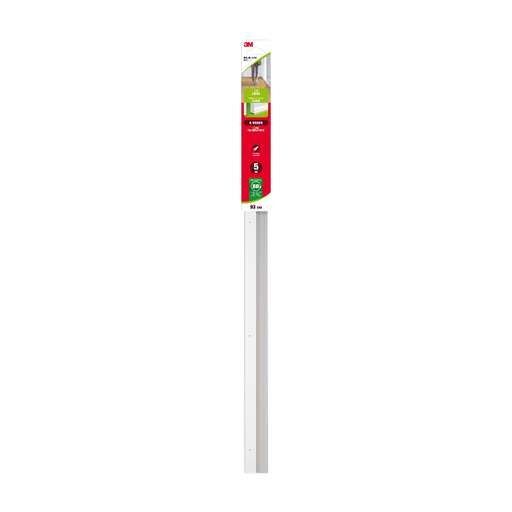
Why we chose it: For those who want a permanent and robust solution. The screw-on fixing ensures a perfect hold for years, even with heavy door use.
No more stress about a peeling seal: the mechanical fixing guarantees peace of mind for at least 5 years.
Robustness and longevity. Can be cut to size to fit your door and seals gaps up to 15 mm.
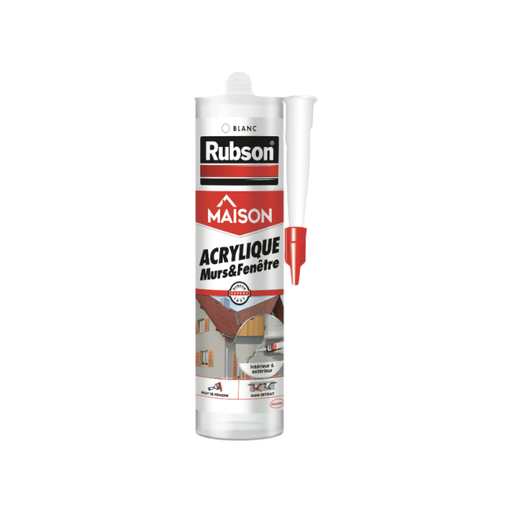
Why we chose it: If the draught is coming from cracks around the frame, a standard seal won't help. You need a dedicated product like this sealant, designed to permanently fill these gaps.
It debunks the "one-size-fits-all" myth by providing a targeted solution to a specific problem. It adheres to many materials (wood, plaster, PVC...) and remains flexible to absorb building movements.
Versatility and a flawless finish. Usable indoors and out, it can be painted to blend in with the decor. It's resistant to moisture, UV rays, and the test of time.
We've put together a complete selection of products that meet our strictest quality criteria.
It all depends on the quality of the product and the care taken during installation. An entry-level model will barely last one season. Conversely, a brand-name adhesive weather seal, applied to a pristine surface (clean and dry), can last 5 years or more. UV resistance and resistance to temperature fluctuations are key factors to check.
The trick is simple. Close your window, then try to slide a coin into the gap between the frame and the sash. If a ?1 coin (2.8mm thick) or a US quarter (1.75mm thick) slides in easily, you'll need a seal that can fill a gap of 2 to 4?mm. If it doesn't fit, a thinner seal will be necessary. The product packaging always indicates the gap range (e.g., 2-6?mm) it can fill.
Yes, and much more than you might think. According to manufacturers like 3M, proper weatherstripping can reduce heat loss and heating consumption by up to 25%. By blocking cold air from entering and warm air from escaping, you stabilise the indoor temperature. The result: your heating system runs less. It's a small investment that quickly pays for itself on your utility bills.