
Livraison le jour même ou le lendemain

Qualité garantie

Débloquez vos offres de bienvenue: Livraison GRATUITE | Jusqu'à -80 % | 30 jours d'essai gratuits à JoyPlus
Téléchargez l'application
On paper, a pair of waterproof shoes might seem like a one-size-fits-all solution. In practice, a few details can make all the difference. A sole that lacks grip quickly becomes tiresome on a wet path, a lining that’s too warm makes walking uncomfortable, and a poorly chosen size can cause rubbing from the very first outing.
To avoid unpleasant surprises, it’s best to separate marketing claims from the features you can actually verify on the product page.
Terms like “water-repellent” or “water-resistant” don’t necessarily guarantee lasting protection in heavy rain. For regular use in the UK, check for a membrane, a construction explicitly described as waterproof, or a technology specifically designed to ensure watertightness.
Conversely, resin clogs can be perfectly fine for the pool, the beach, the garden or splashes, without being suitable for a hike in continuous rain. Their use should remain consistent with their design.
A closed, waterproof shoe often retains more heat. For active walking, breathable outdoor shoes help reduce that clammy feeling, particularly thanks to a textile lining or a membrane described as breathable. That doesn’t mean your foot will stay perfectly dry in all circumstances: perspiration and your choice of socks also play a part.
A thick sole isn’t automatically suited to muddy paths or wet rocks. Instead, look at the tread pattern, the material used and whether there’s a toe cap reinforcement. For non-slip hiking shoes, these details are far more telling than a simply chunky appearance.
For an ankle boot intended for a child, look for a shaft that offers enough coverage, a warm lining and a fastening system that’s easy to adjust. Girls’ waterproof ankle boots should also be quick to pull on – a real plus for school runs and everyday outings.
A thermal lining improves comfort in winter, but can be excessive in mid-season. If you’re looking for warm shoes for rain, check the inner composition and the shaft height rather than relying solely on the photos.
For hiking, camping and trekking, prioritise:
Men’s hiking boots and waterproof trekking shoes aren’t all designed for the same level of demand. A stroll on a maintained trail doesn’t require the same protection as a muddy, rocky or uneven route.
Measure the length of your foot at the end of the day, when it’s slightly more swollen. Then compare this measurement with the size chart provided on the product page. For hiking, allow a reasonable amount of space in front of your toes to prevent them from hitting the front on descents.
For the PELLIOT model shown below, the page gives measurements in millimetres and recommends choosing the larger size if you’re in doubt. However, this guidance should be considered alongside the shape of your foot and the thickness of the socks you’ll be wearing.
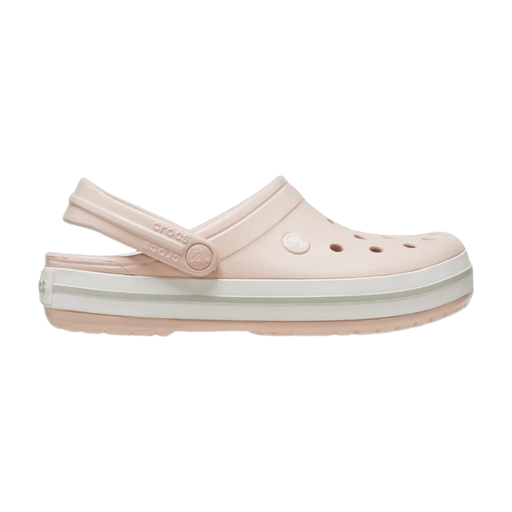
Why this choice suits this profile: This clog is aimed at those looking for a lightweight pair that’s easy to slip on and simple to clean for the pool, the beach, the garden or short everyday trips.
Its moulded resin construction and ventilation holes prevent you from mistaking a leisure clog for a technical hiking shoe.
Lightweight structure, pivoting heel strap, properties described as water-resistant and easy to clean with soapy water.
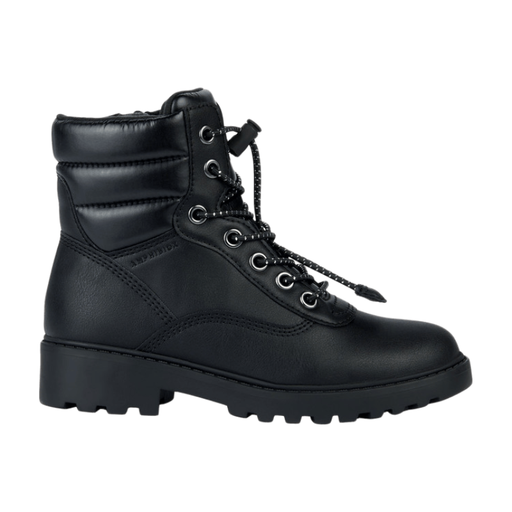
Why this choice suits this profile: This ankle boot is aimed at parents who want to protect their child’s feet from rain and cold, with a silhouette suited to everyday journeys.
The product page states a waterproof and breathable Amphibiox construction, a warm lining, and a zip fastening combined with elastic laces.
Synthetic outer sole, removable insole and a combination of synthetic and textile materials.
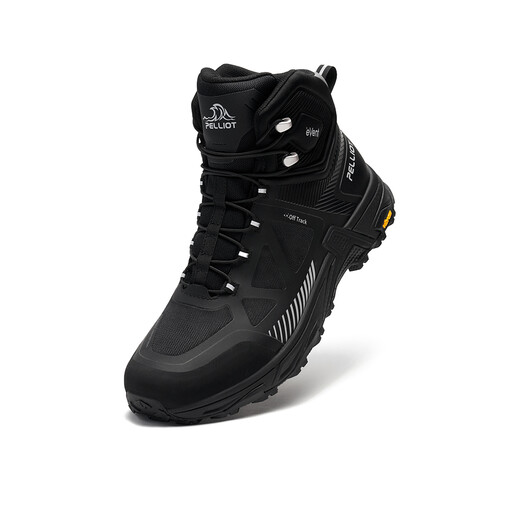
Why this choice suits this profile: This men’s hiking boot is aimed at camping trips, trekking and walking on uneven terrain, with reinforced protection.
The product page mentions an abrasion-resistant shaft, a protective toe cap, a membrane described as waterproof and breathable, and a treaded sole.
Quick lacing that can be used with one hand, highly grippy rubber sole and sizes indicated according to foot length.
We’ve put together a comprehensive, real-time selection of products that meet these demanding criteria, as well as European safety standards.
After a walk in the rain, leave your shoes to dry at room temperature, away from a radiator or any direct heat source. Intense heat can deform certain materials and weaken the glues. If possible, remove the insoles to help with air circulation.
For textile models or those with a membrane, use a damp cloth and a mild product if the product page recommends it. Crocs Crocband clogs can be cleaned by hand with water and a mild soap. Avoid the washing machine, bleach and tumble dryer when the manufacturer advises against them.
The lifespan depends on how often you wear them, the weight carried, the terrain and the care you give them. A sole that has become smooth, a seam that is coming undone or a loss of support are all signs that it’s time to replace the pair, even if the upper still looks to be in good condition.
Not necessarily. Insulation depends on the lining, the thickness of the materials and the overall design of the shoe. For winter, choose a warm lining; for strenuous activity, prioritise breathability.
Yes, provided their sole, support and level of protection are suited to the terrain. A waterproof city ankle boot can be fine for an urban journey in the rain, but a hike on rough terrain requires a treaded sole, a protective toe cap and a more stable structure.
Measure both of your feet, note the measurement of the longer one and consult the brand’s size chart. Try the shoes on with the socks you intend to wear for that activity. For trekking, make sure your toes don’t touch the front when your foot slides forward inside the shoe.