
Livraison le jour même ou le lendemain

Qualité garantie

Débloquez vos offres de bienvenue: Livraison GRATUITE | Jusqu'à -80 % | 30 jours d'essai gratuits à JoyPlus
Téléchargez l'application
A waterproof outdoor jacket has to juggle several demands: rain, wind, sweat, temperature changes and freedom of movement. The trouble is that product descriptions often blur the lines between waterproofing, water repellency and simple moisture resistance.
Before you choose a hiking, trekking or camping jacket, it’s worth focusing on the features that really matter. Here are the most common pitfalls, the technical criteria to check, and a selection of models suited to different needs.
A water-repellent jacket makes water bead on the surface of the fabric rather than soaking in straight away. This protection can be enough for drizzle, daily commutes or a quick shower. However, it won’t keep you dry in heavy, prolonged rain.
For hiking or trekking, look instead for a membrane, a waterproof coating and, ideally, sealed seams. An exposed zip can also become a point where water gets in.
A waterproof or breathability number alone doesn’t sum up a jacket’s comfort. The fit, seams, hood, cuffs and ventilation openings all play their part too. A hardshell jacket may have excellent water-pressure resistance, but it can feel stifling if it doesn’t let heat escape well.
Conversely, a lightweight, breathable jacket can be very comfortable for walking or moving around town, without being designed to withstand several hours of heavy rainfall.
A jacket that’s too tight restricts movement and leaves little room for a mid-layer. On the other hand, a model that’s too loose can let the wind in and offer limited thermal protection.
For four-season use, check the roominess around the chest, the sleeve length and compatibility with a fleece. A 3-in-1 jacket usually makes it easy to adjust layers, but it’s often bulkier than a simple windproof jacket.
Spec sheets sometimes mention the water column, expressed in millimetres of H₂O. This value indicates the water pressure the fabric can withstand under a given test protocol. However, it needs to be seen in the context of the garment’s overall design: seams, storm flap, hood and adjustment systems.
For urban use or short walks, a water-resistant jacket can be perfectly adequate. For camping, trekking or exposed routes, go for a construction that clearly states it offers waterproof and windproof protection.
Breathability is often given in g/m²/24 h, or MVTR. Under comparable test conditions, the higher this value, the more the fabric is supposed to let water vapour escape. That doesn’t replace ventilation openings or a fit suited to the intensity of your activity.
Underarm openings, mesh panels and back vents all help air circulate. These details really come into their own with a hiking jacket worn on an ascent or during a brisk walk.
Nylon and polyester are very common in outdoor jackets. Nylon is valued for its strength and lightness, while polyester appeals for its easy care and good long-term stability.
Also check the washing instructions. Some garments require a delicate cycle, a low temperature and no fabric softener. Incorrect care can damage the water-repellent treatment or the membrane’s performance.
Finally, compare the size chart with your own measurements. Labels like “men’s”, “women’s” or “unisex” don’t replace the actual chest, shoulder and sleeve measurements.
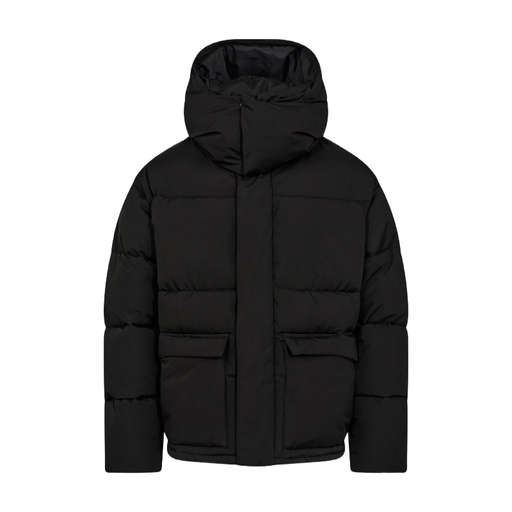
Why this choice suits this profile: This lightweight jacket is ideal for daily commutes, walks and cool spring or autumn evenings. Its standard fit and full-length zip mean you can use it straight away, with no complicated adjustments.
The listing describes it as water-resistant, not as protection designed for heavy rain. This distinction stops you expecting performance from a versatile jacket that it doesn’t promise.
100% polyester, washable at 30 °C and easy to carry. The model is also available in several sizes and colours, according to the listings.
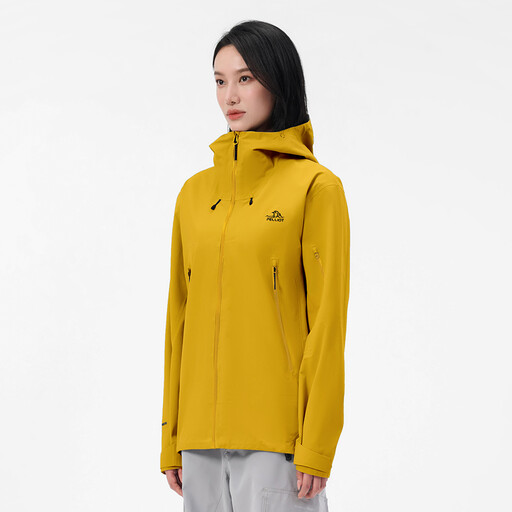
Why this choice suits this profile: This unisex jacket is aimed at those looking for technical protection in a range of environments, from urban travel to mountain outings, with more comprehensive features.
The listing details several concrete features: stretchier fabric, extended underarm vents, wind resistance and a zipped sleeve pocket. This information is more meaningful than a vague promise of versatility.
Construction described as waterproof, breathable, windproof and abrasion-resistant. The listing also mentions a RECCO location reflector.
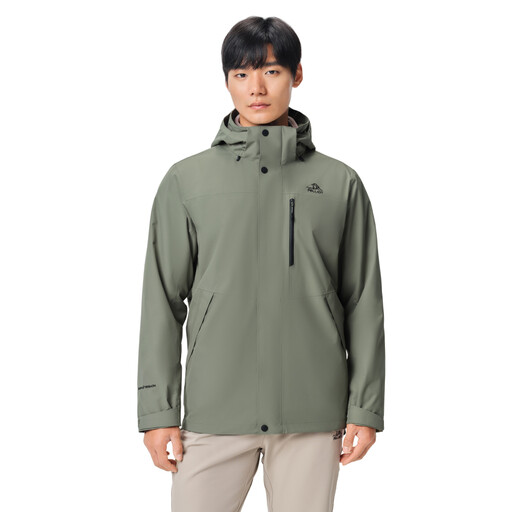
Why this choice suits this profile: The 3-in-1 design is aimed at campers, hikers and anyone who wants to adapt their outfit to temperature changes without carrying several separate jackets.
The listing separately details the claimed performance for the outer shell and the lining. This makes it clear that the warmth comes from the lining, while the rain protection depends on the outer layer.
Can be used as a shell alone, lining alone, or a combination of both. The product listing states a water column of 35 900 mm H₂O and breathability of 16 000 g/m²/24 h, according to the specified test protocol.
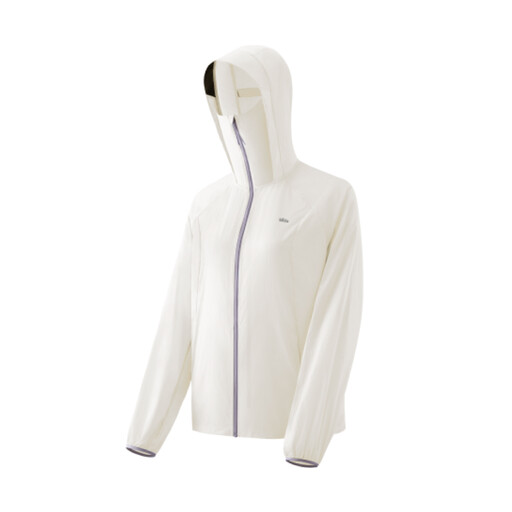
Why this choice suits this profile: This lightweight women's jacket is ideal for daily commutes, summer walks and activities where you want protection from wind, splashes and the sun.
The listing states water and wind resistance, along with breathable panels. So you should see it as a lightweight protective layer, not a hardshell designed to withstand the elements for long periods.
100% nylon, stretchy cuffs with thumbholes, back vent and mesh panels under the arms. The fit ends at hip length.
We’ve put together a comprehensive, real-time updated list of products that meet these demanding selection criteria and European safety regulations.
No. Waterproofing and breathability are two different properties. A jacket can block water effectively while struggling to let out the vapour produced during exercise. For an active pursuit, look for a breathability value on the spec sheet as well as ventilation openings.
A hardshell jacket with an adjustable hood, a protected zip, adjustable cuffs and seams designed to limit water ingress will generally be more suitable than a simple windproof or water-repellent jacket. If the temperature is likely to vary, add a fleece underneath for extra comfort.
Follow the care label instructions, close the zips before washing and avoid products that are not recommended, especially fabric softener when it’s explicitly excluded. Dry the jacket according to the instructions, then store it clean and completely dry, away from direct heat sources.