
Livraison le jour même ou le lendemain

Qualité garantie

Débloquez vos offres de bienvenue: Livraison GRATUITE | Jusqu'à -80 % | 30 jours d'essai gratuits à JoyPlus
Téléchargez l'application
A good mattress is an essential investment in your quality of sleep. Protecting it from everyday accidents, perspiration, and allergens is therefore crucial to preserve its lifespan and ensure impeccable sleep hygiene. However, choosing the right mattress protector can quickly become a headache. Between marketing promises and materials that disappoint with use, it's easy to make the wrong choice.
As a Product Specialist at Joybuy, my mission is to help you see things more clearly. Let's skip the jargon and focus on the essentials. Here are the 3 pitfalls to absolutely avoid when buying a waterproof mattress protector, and our advice for making the right choice.
There's nothing more frustrating than investing in bedding protection that ends up at the back of a closet after just a few weeks. Here's a rundown of the design flaws that turn a good intention into a regrettable purchase.
Many entry-level models promise total waterproofing but sacrifice air circulation. The culprit? Often an inexpensive PVC membrane that traps heat and moisture. The result: an unpleasant clammy feeling, excessive sweating, and ultimately, poor quality sleep. A good mattress protector must be both waterproof AND breathable. This is non-negotiable.
Who hasn't been woken up by the crinkling sound of a poor-quality waterproof cover? This plastic-like noise with every movement is a real detriment to the quality of your nights. The cause can often be traced to rigid, low-quality materials that refuse to soften even after several washes.
A 'flat' style protector (with simple elastic corner straps) or a fitted sheet style mattress protector with a pocket that isn't deep enough will inevitably slip and create uncomfortable bunching under the sheets. Besides being unpleasant, this leaves areas of the mattress unprotected, making the accessory simply useless.
To avoid falling into these traps, you just need to check a few very simple technical points. This is what makes all the difference between a mediocre product and truly reliable and comfortable protection.
The performance of a mattress protector relies on a winning combination: its contact surface and its waterproof membrane.
The style should be chosen based on the thickness of your mattress and the level of protection you're looking for.
A good washable protector must be machine washable at a high enough temperature to eradicate bacteria and dust mites (usually 60?°C). Some models go a step further with specific treatments, such as an anti-dust mite mattress protector barrier, a real bonus for allergy sufferers.
To help you make an informed choice, here are a few options that meet specific needs while avoiding the pitfalls mentioned above.
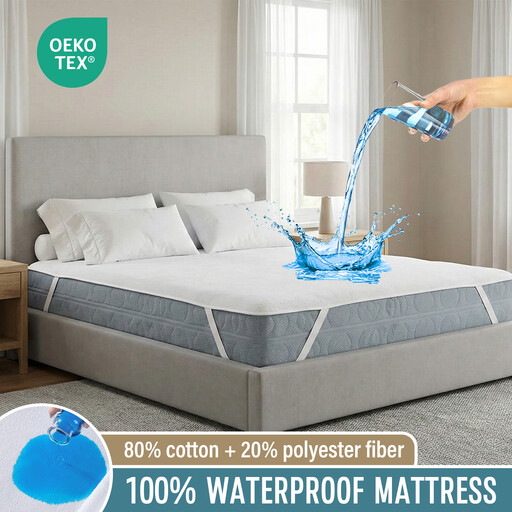
Why we chose it: Perfect for family use where minor accidents are common. Its soft surface combined with a high-performance membrane offers flawless protection while preserving comfort for little ones.
Its fully breathable TPU membrane eliminates any clammy feeling. The product is also guaranteed to be "crinkle-free" to ensure quiet nights.
Machine washable up to 60 °C for impeccable hygiene, a non-negotiable feature for children's bedding.
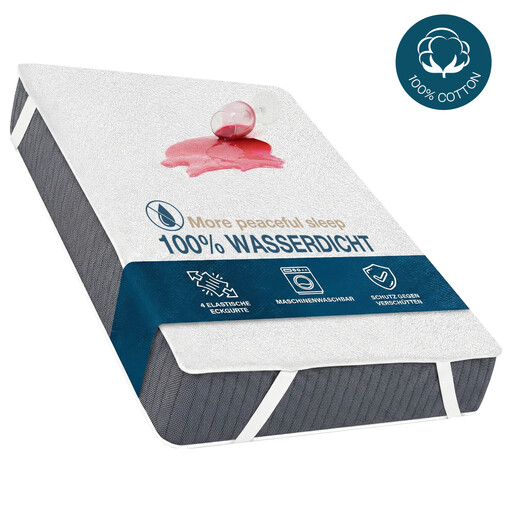
Why we chose it: For sleepers who are sensitive to heat or noise and don't want to compromise on their sleep quality. Its natural cotton surface is a guarantee of softness and excellent temperature regulation.
Its 100% cotton terry cloth surface, naturally breathable and silent, neutralises the two main flaws: noise and poor ventilation.
The feel of a natural fibre like cotton provides unparalleled comfort and optimal moisture absorption.
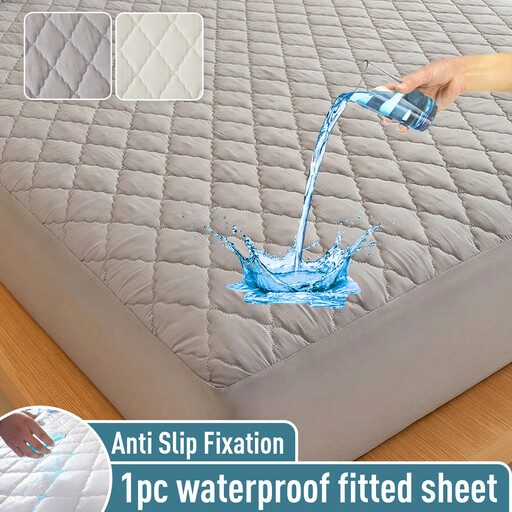
Why we chose it: The perfect solution for thick mattresses and for those looking for a "set it and forget it" product. Its fitted sheet style with a deep pocket guarantees an absolutely perfect fit.
With its extra-deep 30 cm pocket, you can say goodbye to protectors that slip or come loose on modern mattresses!
Its quilted design adds an extra touch of comfort while ensuring waterproof protection and a perfect hold.
Discover our full selection of products that meet our quality criteria and current safety standards.
In common parlance, the two terms are often used interchangeably. Historically, a 'pad' or 'cover' (alèse) referred to a simple waterproof sheet (often in a flat style), whereas a 'protector' could include comfort features (quilting, anti-dust mite treatments...). Today, a good waterproof mattress protector combines both: it offers an effective barrier against liquids and a comfortable surface, most often in the practical form of a fitted sheet.
To preserve its waterproof membrane, it's best to follow the instructions on the label to the letter. As a general rule: machine wash between 40?°C and 60?°C with a mild detergent and, most importantly, without fabric softener (it can clog the membrane's micropores). Opt for air-drying, or tumble dry on a low temperature setting. And most importantly, never iron it.
A low-end model with a PVC membrane will definitely make you sweat. Conversely, a quality breathable mattress protector with a polyurethane (PU) membrane and a natural fibre surface (like cotton) ensures excellent air circulation and wicks away moisture. It therefore prevents excessive sweating. The choice of material is therefore absolutely crucial.