
Livraison le jour même ou le lendemain

Qualité garantie

Débloquez vos offres de bienvenue: Livraison GRATUITE | Jusqu'à -80 % | 30 jours d'essai gratuits à JoyPlus
Téléchargez l'application
Accidents happen?: a coffee spilt in bed, a leaky baby bottle, or a surprise left by your pet… These small, everyday mishaps can quickly stain, or even ruin, a mattress—which is often a costly investment. To preserve it, extend its lifespan, and ensure a more hygienic sleep, the waterproof mattress protector is the simplest and most effective solution.
But with the sheer number of models available, how do you choose?? This guide breaks down the essential criteria and presents our top picks to help you make the right choice with confidence.
Before you make a purchase, let's review the key points that will help you find the model perfectly suited to your needs and your bedding.
The material of your waterproof protector is crucial for your comfort. There are two main types of surfaces?:
Regardless of the surface textile, the waterproofing is provided by a thin membrane, most often made of polyurethane (PU). Unlike old PVC protectors, which were stiff and noisy, this modern technology makes the mattress protector breathable. Air can circulate, but liquids are blocked. No more feeling hot or dealing with unpleasant crinkling sounds?!
How the mattress protector attaches to your bed is a critical factor, both for its effectiveness and your comfort.
A good mattress protector must be easy to clean. Make sure the model you choose is a machine-washable protector. Most modern mattress protectors can be washed at between 40?°C and 60?°C. A 60?°C cycle is particularly recommended to eliminate dust mites and bacteria—a real bonus for allergy sufferers. Also, remember to check the drying instructions?: tumble drying on a low temperature is often possible, which is a welcome time-saver.
To guide you, we have selected three models that stand out for their features and meet specific needs.
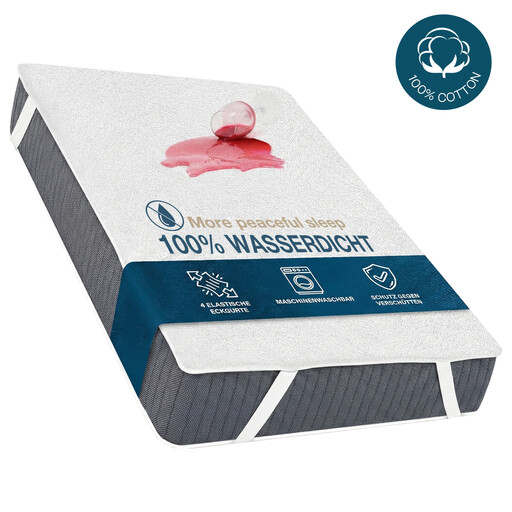
What sets it apart This model stands out with its 100% cotton terry surface, which combines natural softness with high absorbency. Its ultra-thin design, featuring a waterproof yet breathable membrane, ensures effective protection without ever compromising the comfort of your mattress or creating crinkling noises.
Highlights?:
Who is it for?? Ideal for those who prioritise the comfort of natural materials and are looking for protection that is both discreet and effective, for example for a large bed with a 180x200 cm mattress protector.
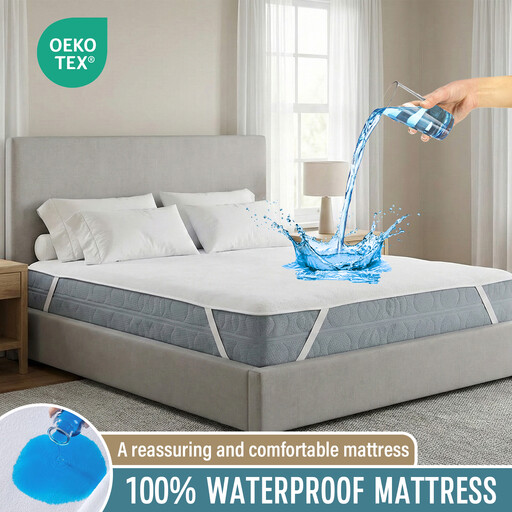
Its Key Strength This 100% polyester microfibre mattress protector is all about performance and durability. Its soft, "towel-like" surface is paired with a 100% waterproof and breathable barrier, creating a solution that is as practical as it is reliable.
Highlights?:
Who is it for?? Perfect for families with young children, pet owners, or anyone looking for a robust, hassle-free everyday solution.
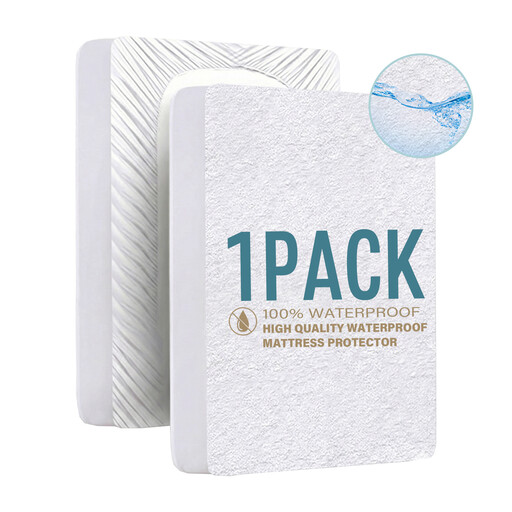
The Main Advantage Its fitted sheet design, with an extra-deep 30?cm pocket, is the real highlight of this model. It perfectly envelops even the thickest mattresses, guaranteeing an impeccable fit and full protection for the sides.
Highlights?:
Who is it for?? The perfect solution for owners of thick mattresses or mattress toppers, and for anyone who demands a flawless hold from their mattress protection. It is available in numerous sizes, including the 180x200 cm mattress protector format.
If these models don't quite meet your expectations, or if you're thinking about upgrading all of your bedding, feel free to explore our other selections.
? Discover our selection of mattresses with toppers for optimal comfort.
In everyday language, the two terms are often used interchangeably. Historically, a "pad" referred to a simple absorbent layer. Today, the term mattress protector has become standard for more technical products that combine both waterproof and breathable features, like the ones in our selection.
This is a common concern, often a holdover from older, plasticised protectors. Rest assured?: modern models use a thin polyurethane (PU) membrane that is flexible, silent, and micro-perforated. This type of breathable mattress protector allows air to circulate, which prevents heat build-up and eliminates crinkling noises. Your nights will remain perfectly comfortable.
To preserve the waterproof membrane, it's best to follow the instructions on the care label. Generally, a machine wash at 40?°C is sufficient for routine cleaning. For impeccable hygiene and to eliminate dust mites, a 60?°C cycle is possible on most models. Be careful?: avoid bleach and fabric softeners, as they could damage the membrane. Opt for air drying or tumble drying on a low temperature.