
Livraison le jour même ou le lendemain

Qualité garantie

Débloquez vos offres de bienvenue: Livraison GRATUITE | Jusqu'à -80 % | 30 jours d'essai gratuits à JoyPlus
Téléchargez l'application
Choosing a waterproof hiking jacket can often feel like an uphill battle. Overwhelmed by marketing promises and technical jargon, it's easy to end up with gear that leaks at the first sign of rain. This guide is here to help you decipher labels, avoid common pitfalls, and identify the features that truly matter for staying dry and comfortable, whether you're on a Sunday walk in the woods or a demanding mountain trek.
Before we even dive into the spec sheet, let's debunk the two rookie mistakes that almost always lead to buyer's remorse.
To make an informed choice, three technical indicators must be scrutinised. They provide an objective basis for comparing different models of trekking apparel.
The waterproofing of a fabric is measured in Schmerber (or more simply, in millimetres of water column). This rating assesses the pressure water can exert on the fabric before it starts to penetrate.
Also, remember to check for sealed seams (or taped seams). Without them, water will seep through the stitch holes, rendering even the best membrane completely useless.
Breathability measures the fabric's ability to let water vapour (your sweat) escape. It is measured in g/m?/24h (MVTR). The higher the number, the better.
The jacket's construction plays a major role in its versatility and durability.
To put theory into practice, here's how these criteria translate into three models suited for distinct user profiles.
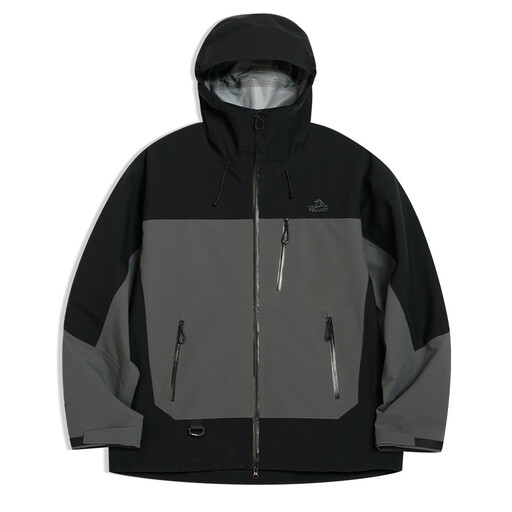
Who is it for? For those seeking a do-it-all jacket that can accompany them on their urban commutes as well as their weekend getaways. Its modern look makes it stand out from purely functional outdoor jackets.
This is a true hardshell jacket designed for sustained rain, not just a water-repellent windbreaker. Its membrane ensures good breathability to prevent the "boil-in-the-bag" effect during moderate exertion.
Its city/nature versatility, coupled with a fabric that handles abrasion well for enhanced durability.
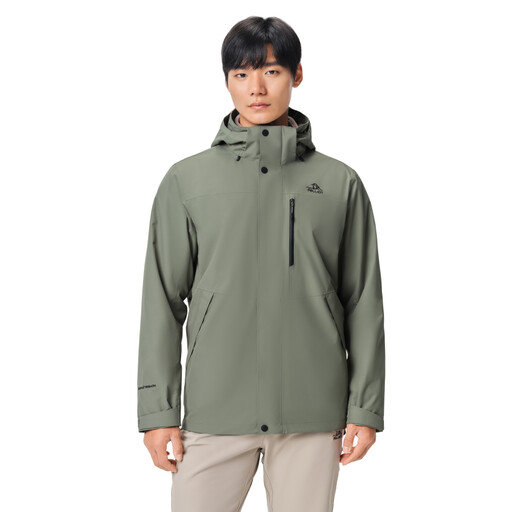
Who is it for? For the hiker who isn't deterred by the weather and gets out all year round. This system adapts just as well to winter cold as it does to April showers.
This 3-in-1 jacket is the real deal. The outer layer boasts impressive specs (JIS standard: 35,900 mm waterproofness and 16,000 g/m?/24h breathability) to keep you dry in all conditions. The thermal liner handles comfort, without compromise.
Its exemplary modularity makes it a true 4-season jacket. The anti-static treatment on the liner is a small comfort detail that makes a big difference in winter.
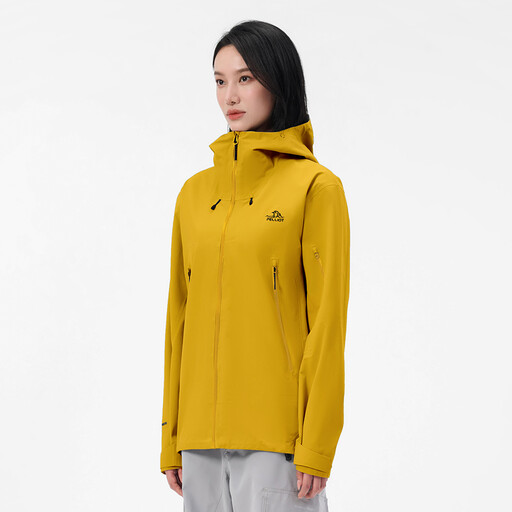
Who is it for? Engineered for harsh conditions, this is aimed at demanding hikers and trekkers who expect performance and safety from their gear.
More than just a barrier against rain, this technical jacket tackles the problem of overheating. Its long underarm zip vents are incredibly effective for ventilation during exertion.
The integration of a RECCO reflector. This passive avalanche rescue system is an essential safety feature for any backcountry or high-mountain outing.
Browse our complete catalogue of technical jackets, all selected according to our exacting standards.
To maintain its performance, a gentle wash is required. Use a special detergent for technical apparel (and absolutely no fabric softener!) and close all zips. To reactivate the DWR coating, a tumble dry on low heat (if the label permits) or applying a re-waterproofing spray after a few washes will work wonders.
The hardshell jacket is your armour: its priority is maximum protection against rain and wind. The softshell, on the other hand, focuses on flexibility, comfort, and breathability. It's water-repellent but rarely 100% waterproof, making it perfect for outings in cool, dry weather.
Absolutely. It's the quintessential smart choice. For the price of one, you get three options: the shell jacket alone for mild, rainy weather; the fleece alone for cool, dry days; and the combined system to face the cold and damp. It's a cost-effective and ultra-practical solution for adapting to any situation.