
Livraison le jour même ou le lendemain

Qualité garantie

Débloquez vos offres de bienvenue: Livraison GRATUITE | Jusqu'à -80 % | 30 jours d'essai gratuits à JoyPlus
Téléchargez l'application
The waterproof hiking jacket is a crucial investment for any outdoor enthusiast. The problem is, the market is saturated with marketing promises and confusing technical jargon. Between obscure spec sheets and seemingly similar features, it's all too easy to end up with a jacket that soaks through in the first shower. As a product expert at Joybuy, my mission is to give you the keys to make an informed and confident choice.
Before we get to our top picks, let's break down the two classic pitfalls that catch hikers (and their wallets) out.
To avoid these traps, you need to rely on objective data. Here are the two key indicators that measure the true performance of an outdoor jacket.
A fabric's waterproof rating is measured in Schmerber or in millimetres (mm) of water column. This rating quantifies how much water pressure the fabric can withstand before it starts to leak.
Also, make sure the seams are fully sealed (taped), as this is a classic weak point where water can seep in.
Breathability is the fabric's ability to let water vapour from your body (sweat) escape. It's measured by its MVTR (Moisture Vapour Transmission Rate), expressed in g/m?/24h. The higher this number, the more breathable the jacket.
Zipped underarm vents (pit zips) are a huge plus for regulating ventilation during exertion.
Because every activity has different demands, here are models that meet specific needs, analysed using the criteria we've just discussed.
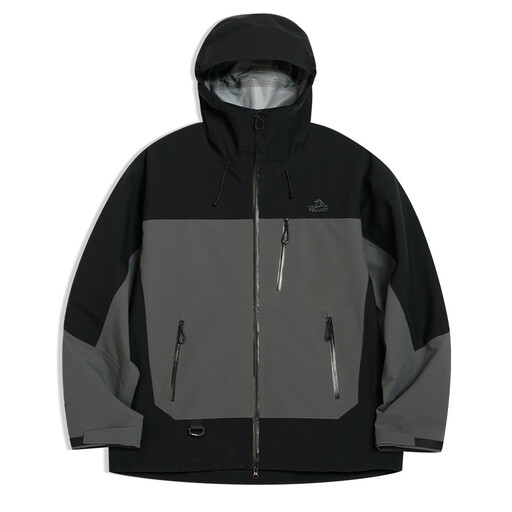
Why it's a great choice: Perfect for those who want a do-it-all jacket that's as comfortable on the weekday bike commute as it is on weekend trails. Its modern two-tone design breaks away from purely technical aesthetics.
Its membrane is designed to withstand heavy rain, going far beyond a simple DWR surface treatment. Its high breathability prevents the "boil-in-the-bag" effect by efficiently wicking away sweat.
Unbeatable versatility, from city streets to mountain trails. Its fabric is wind and abrasion-resistant for enhanced durability.
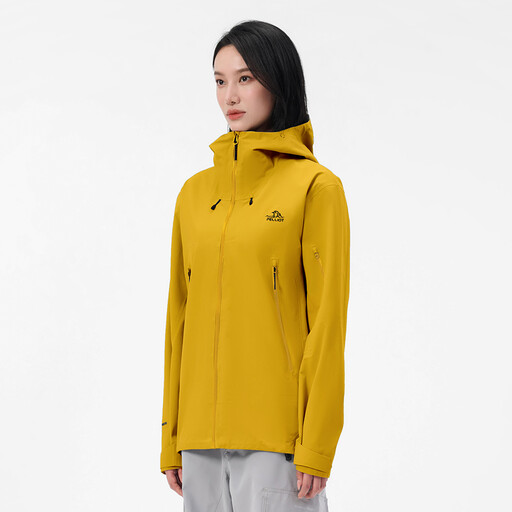
Why it's a great choice: Built for extreme conditions, this jacket is for hikers who refuse to compromise on performance. It's a true shield against the elements.
It raises the bar above market standards with top-tier waterproofing and breathability ratings. Its long pit zips actively combat the "sauna" effect during strenuous climbs.
It features a RECCO rescue reflector, a detail that can be a lifesaver in the high mountains. Its lighter, stretchier fabric ensures complete freedom of movement.
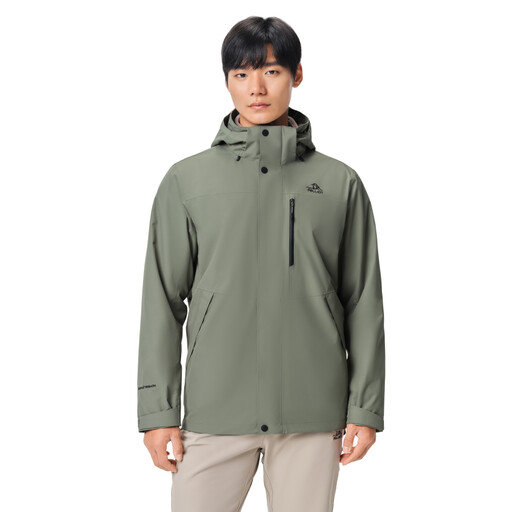
Why it's a great choice: The solution for those seeking a single jacket that can handle all four seasons. This 3-in-1 jacket combines a protective outer shell with a removable fleece liner, offering perfect modularity to face any weather.
Far from a low-end 3-in-1 system, this model boasts impressive specs (35,900 mm waterproof rating, 16,000 g/m?/24h breathability). Its fleece liner is treated to ensure lasting thermal comfort and an anti-static finish.
4-season adaptability: wear the shell alone in mild, rainy weather; the fleece alone in cool, dry conditions; or combine both for maximum protection against cold and moisture.
Whether you're looking for a women's hiking jacket or a men's trekking jacket, these principles and models will help you find the right gear. The key is to choose based on your actual activities, not on marketing hype.
Discover our selections of products that meet strict performance criteria and industry standards.
Proper maintenance is the key to longevity. Wash your jacket with a detergent specifically designed for technical apparel, and never use fabric softener, as it can clog the pores of the breathable membrane. Remember to close all zips before washing. To reactivate the DWR finish, a short cycle in the tumble dryer on low heat (if the care label permits) or applying a re-waterproofing spray after several washes will do the trick.
A hardshell jacket is your ultimate shield against wind and rain. It's fully waterproof and windproof, but as a trade-off, it's often less flexible and breathable than a softshell. It is the quintessential outer layer for harsh weather. In contrast, a softshell jacket prioritises breathability, flexibility, and a degree of thermal insulation. While water-repellent and wind-resistant, it won't stand up to a heavy downpour. It's perfect for cool, dry weather or as a mid-layer under a hardshell.
Absolutely. It's entirely possible to find a versatile and high-performance rain jacket at a budget-friendly price point, as long as you know how to read the specs. Aim for models with a minimum waterproof rating of 10,000 mm and a breathability rating around 10,000 g/m?/24h. More expensive models will typically offer advantages in weight, durability, a more refined fit, and premium features (RECCO reflectors, waterproof zips, etc.).