
Livraison le jour même ou le lendemain

Qualité garantie

Débloquez vos offres de bienvenue: Livraison GRATUITE | Jusqu'à -80 % | 30 jours d'essai gratuits à JoyPlus
Téléchargez l'application
Whether for a mountain hike, a walk in the woods during a light drizzle, or simply facing downpours in the city, a good waterproof hiking jacket is an essential piece of your gear. However, the market is a jungle of technical jargon and marketing promises that can be confusing. Before you invest, it's best to understand the common pitfalls to avoid ending up with a jacket that's ineffective or ill-suited for your needs.
As a Product Expert at Joybuy, I'm here to help you navigate the options. Let's review the most common mistakes and, more importantly, how to avoid them.
To make an informed decision, you need to understand two key indicators that define the performance of a technical rain jacket.
This rating, measured in millimetres (mm), indicates a fabric's resistance to water pressure. The higher the number, the more waterproof the jacket.
Measured in grams per square metre per 24 hours (g/m?/24h), the Moisture Vapor Transmission Rate (MVTR) indicates how much water vapour the fabric can let escape.
For those seeking the Swiss Army knife of technical jackets, the 3-in-1 jacket is an excellent option. The concept? A waterproof outer shell and an insulating liner (usually a zip-in fleece) that can be worn together or separately. It's the ultimate versatile outdoor garment, able to adapt to unpredictable spring weather as well as the cold of winter.
Instead of chasing the non-existent "perfect" jacket, it's better to find the one that perfectly matches your activities. Here is our selection for three distinct user profiles.
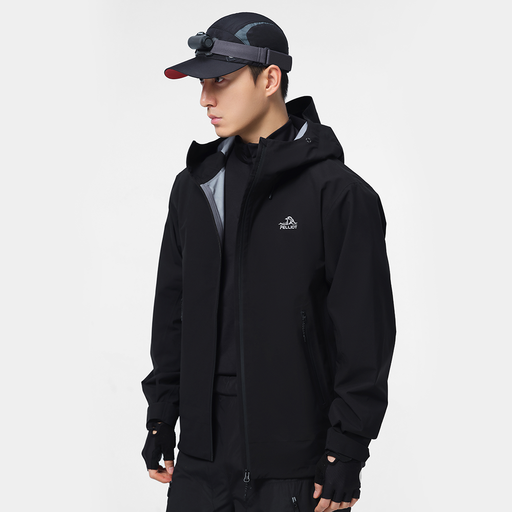
Who is it for? For those who want a technical jacket that's just as at home in the city as it is on the trails on the weekend. Its modern look, at the crossroads of *techwear* and outdoor style, is right on trend.
It goes far beyond a simple water-repellent coating by offering a true waterproof-breathable membrane, effective for active city commuting and surprise downpours in the woods.
Its city-to-trail versatility and sleek design make it a perfect piece for fans of the *gorpcore* style, who mix technical pieces with urban fashion without sacrificing performance.
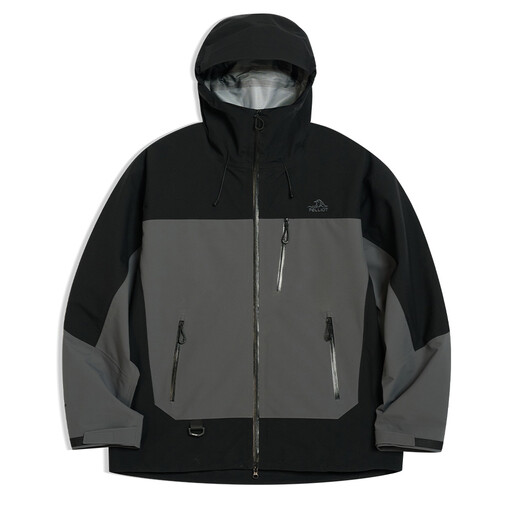
Who is it for? For enthusiasts of men's or women's trekking jackets who don't hesitate to head out in unpredictable weather and demand reliable, durable protection against the elements and abrasion.
Its hardshell design is a guarantee of ruggedness. Unlike ultralight jackets, it withstands scrapes against rocks or branches while ensuring flawless waterproofing.
The perfect balance of waterproofness, breathability, and durability. This is the armour you can count on when the weather takes a serious turn in the mountains.
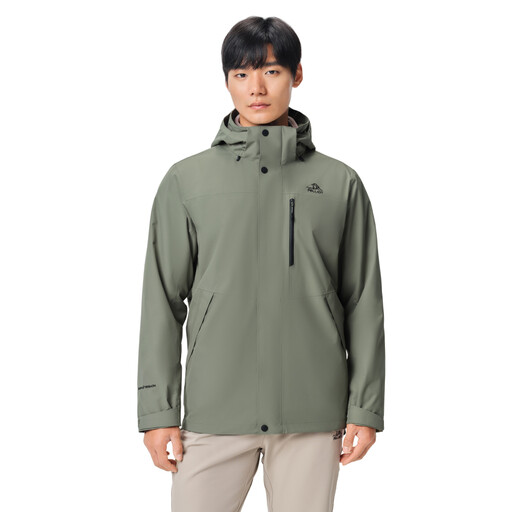
Who is it for? For those who hike year-round and are looking for an all-in-one solution that can adapt to a wide range of temperatures, from cool spring days to the cold of winter.
It avoids the "false versatility" trap by offering three genuine configurations: a lightweight rain jacket, a warm fleece, and a complete winter jacket. It's not one, but three jackets in one.
Its modularity is its greatest strength. The 3-in-1 system with a removable thermal liner is incredibly practical. The manufacturer also advertises top-tier performance specs: a waterproof rating of 35,900 mm and a breathability of 16,000 g/m?/24h.
Discover our full selection of products that meet our demanding selection criteria and current standards.
Wash your jacket with care in a machine on a low temperature setting (30°C / 86°F) using a special detergent for technical apparel, and never use fabric softener. Remember to close all zips before washing. To reactivate the DWR coating, you can tumble dry it on low heat for a few minutes (if the care label allows) or use a re-waterproofing spray after washing.
A hardshell jacket focuses entirely on maximum protection against wind and rain. It's a true fortress against the elements, but it is often more rigid and slightly less breathable. In contrast, a softshell jacket prioritises breathability and comfort. It is wind-resistant, very flexible, and water-repellent, but it will show its limits in a downpour.
Absolutely, if you're looking for the best versatility-to-price ratio. It's the ideal solution for adapting to all seasons without buying multiple pieces of gear. The only trade-off? They are often slightly heavier and bulkier than a single-layer technical jacket.