
Livraison le jour même ou le lendemain

Qualité garantie

Débloquez vos offres de bienvenue: Livraison GRATUITE | Jusqu'à -80 % | 30 jours d'essai gratuits à JoyPlus
Téléchargez l'application
Getting soaked to the bone mid-hike because of a "waterproof" jacket that's waterproof in name only... it's a frustrating experience most of us have had. The technical apparel market is a jungle of marketing promises where it's easy to get lost. Before you invest, it's crucial to decode the jargon and avoid common pitfalls to prevent buyer's remorse.
As a product specialist at Joybuy, I'm here to break down fact from fiction. Here are the three most common mistakes to avoid:
To make an informed choice, you need to master a few key indicators. These are your best allies against vague descriptions and misleading marketing.
A fabric's waterproof rating is measured in Schmerber (or mm). This rating indicates the pressure from a water column (in mm) that the fabric can withstand before water starts to seep through.
Also, check for taped seams (or heat-sealed seams). Without them, even the world's best membrane can't stop water from seeping in through the stitch points.
Breathability is the garment's ability to move water vapour (sweat) to the outside. It's measured in MVTR (Moisture Vapor Transmission Rate), expressed in g/m?/24h.
The choice of jacket construction depends primarily on your activities.
Here are a few options that meet specific needs, taking performance and durability criteria into account.
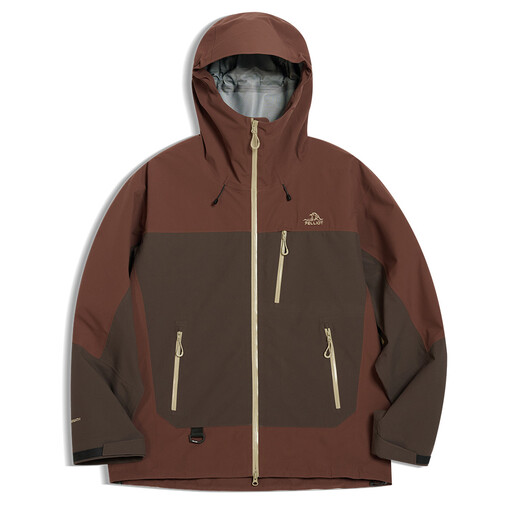
The profile: Perfect for those who want a jacket that's as comfortable in the city as it is on the trails. Its modern two-tone design breaks the mould of classic outdoor gear without sacrificing the technical performance of a true protective layer.
Avoiding the trap of sacrificing tech for style. This is a true hardshell jacket with an abrasion-resistant fabric, designed to face the elements—far more than just a trendy windbreaker.
Effective waterproof-breathable protection; rugged design; city/trail versatility.
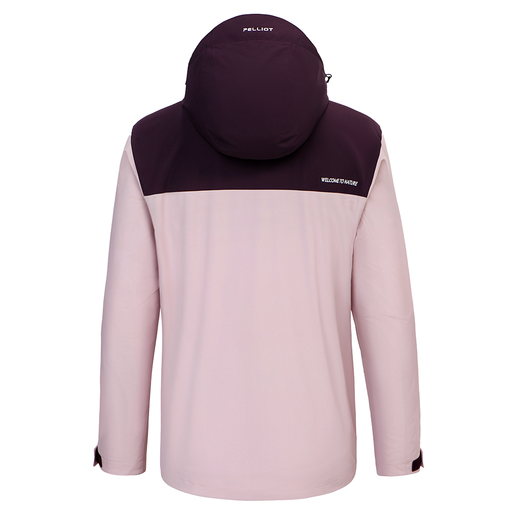
The profile: The ultimate all-in-one solution. Thanks to its 3-in-1 system, this women's hiking jacket adapts to all weather, from spring to winter, by combining or separating the protective shell and the insulated liner.
Avoiding the "sauna" effect. The fleece liner integrates seamlessly to provide warmth, while the breathable STORMS BREATH membrane ensures moisture is wicked away for optimal comfort.
3-in-1 modularity; warm, anti-static fleece liner; complete protection with taped seams.
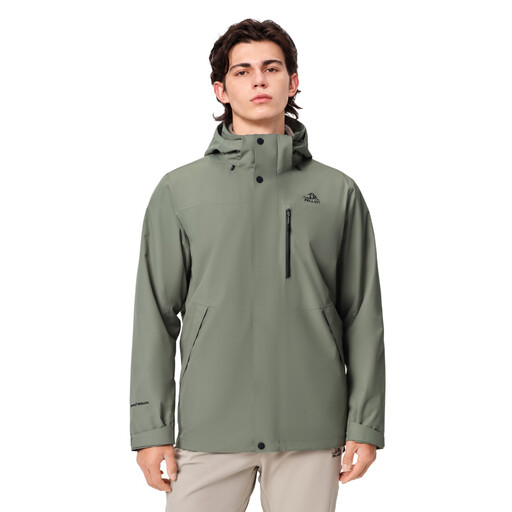
The profile: For those who make no compromises on performance. With its cutting-edge technical features, it's built for harsh mountain conditions and multi-day treks.
Trusting numbers, not marketing hype. This model relies on measured data (JIS standard): a waterproof rating of 35,900 mm and a breathability rating of 16,000 g/m?/24h—values that place it well above market standards.
Extreme waterproofing; excellent breathability for exertion; proven durability (abrasion resistance +40,000 cycles).
Explore our full collection of technical jackets, all selected for their performance and compliance with the strictest standards.
Proper maintenance is key to your jacket's longevity and performance. Wash it with a specialised detergent for technical apparel, without fabric softener, following the instructions on the label. To reactivate the water-repellent finish (DWR treatment), a cycle in the dryer on low heat (if the label permits) is often effective. After several washes, a re-waterproofing spray can give your jacket a new lease on life.
You can find decent jackets at this price point, but caution is advised. At this price, compromises are often made on fabric durability, zipper quality, or the true level of breathability. For an occasional outing in good weather, it might suffice. But for regular hikes or mountain adventures, investing in a model with certified performance is a much more cost-effective choice in the long run.
The hardshell is your armour against the elements. Completely waterproof and windproof, it's designed for the worst conditions. The softshell, on the other hand, focuses on breathability and freedom of movement. It's water-repellent (resisting light rain) and wind-resistant, but it won't protect you from a heavy downpour. The softshell is therefore perfect for exertion in cool, dry weather. The hardshell becomes essential as soon as the rain or wind picks up.