
Livraison le jour même ou le lendemain

Qualité garantie

Débloquez vos offres de bienvenue: Livraison GRATUITE | Jusqu'à -80 % | 30 jours d'essai gratuits à JoyPlus
Téléchargez l'application
Whether for a mountain hike, a rainy bike commute, or a simple walk in the woods, choosing a waterproof hiking jacket can quickly become overwhelming. The market is flooded with technical jargon and marketing promises that often fall flat in the field. As a product expert at Joybuy, my mission is to help you cut through the noise. Let's break down the common mistakes to avoid so you can make the right choice.
Investing in quality outdoor apparel is essential to staying dry and enjoying your outing. Yet, too many buyers fall into traps that render their jacket uncomfortable, or even useless, after just a few uses.
To sort through the options, forget the marketing and focus on a few objective technical specs. They are the only true measure of your future jacket's performance.
A fabric's waterproofness is measured in millimetres (mm) of water column. This rating, also known as the Schmerber rating, indicates how much water pressure the fabric can withstand before it leaks.
A true hardshell jacket will have a rating of at least 10,000 mm and, crucially, fully taped (or heat-sealed) seams to guarantee a perfect seal.
Breathability is the fabric's ability to let sweat vapour escape. It's measured in grams per square metre per 24 hours (g/m?/24h), a rating known as MVTR (Moisture Vapour Transmission Rate).
The secret to comfort? Finding the right balance between waterproofing and breathability.
For those looking for a do-it-all garment, the 3-in-1 jacket is a fantastic solution. The principle is simple: a waterproof outer shell and a removable insulating liner (usually a fleece or a light down jacket) that zip together. You can wear:
Here is a selection of models that tick all the right boxes for different types of users.
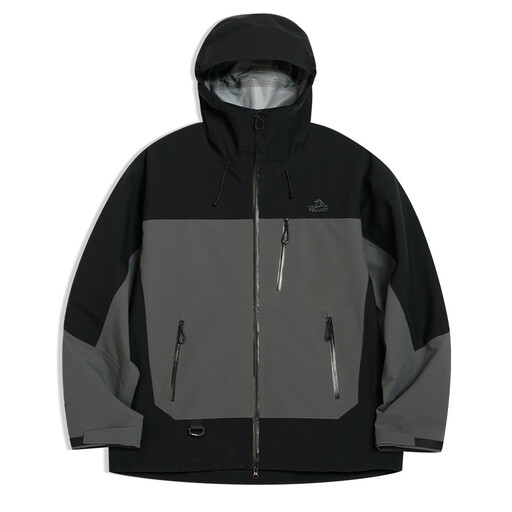
Editor's Verdict: Perfect for those who want a single technical jacket that's as effective for the bike commute as it is for weekend getaways. Its modern two-tone look sets it apart from classic outdoor jackets without sacrificing performance.
Its membrane is designed to handle heavy rain, going far beyond a simple water-repellent treatment. Its high breathability prevents the 'boil-in-the-bag' effect during exertion.
Its unbeatable versatility: one jacket for daily life, travel, and hikes. Its abrasion-resistant fabric promises excellent durability.
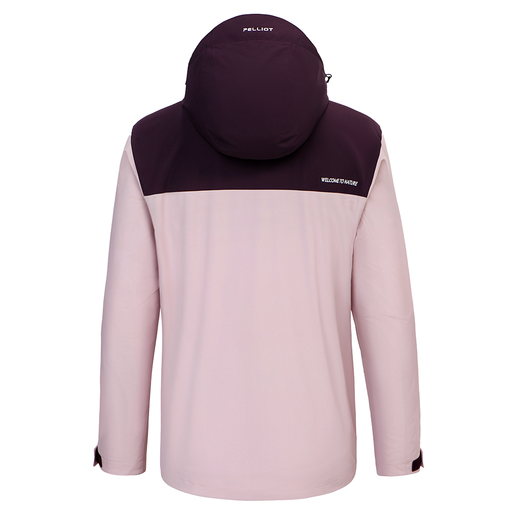
Editor's Verdict: This is the ultimate solution for those who hike in all weather. Its 3-in-1 system offers stunning modularity, able to adapt to temperatures from -15°C to +25°C.
It perfectly meets the challenge of versatility. The outer shell, with its membrane and taped seams, provides flawless waterproof-breathable protection. The removable thermal liner handles insulation.
Its four-season adaptability thanks to the 3-in-1 system. A nice bonus: the liner has an anti-static treatment, a much-appreciated comfort detail in winter.
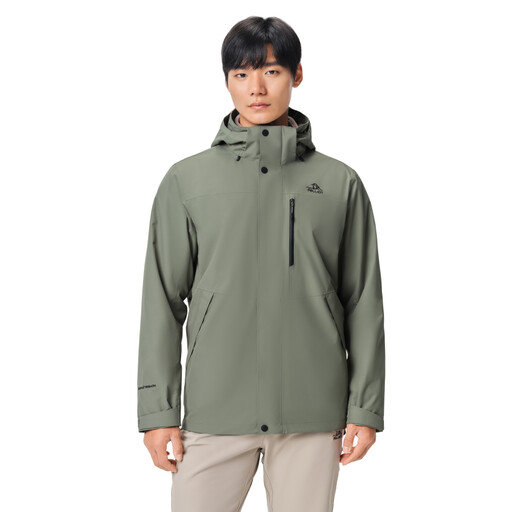
Editor's Verdict: For the hiker who swears by spec sheets and seeks measurable performance. This jacket makes its intentions clear with precise figures, built to tackle the harshest mountain conditions.
It cuts through empty promises with hard data. The waterproofness (35,900 mm) and breathability (16,000 g/m?/24h) are clearly specified, guaranteeing top-tier protection and comfort. Its abrasion resistance is also certified.
Its cutting-edge technical performance, backed by numbers. Its wind-blocking system (adjustable hood, cuffs, and hem) creates a true fortress against the cold.
Discover our full selection of products, all tested and approved according to rigorous criteria.
A water-repellent jacket has a chemical surface treatment that causes water to bead up and roll off. This protection is effective for a light drizzle, but it's temporary and diminishes with washing. A waterproof jacket, however, has a technical membrane (a microporous film) that physically blocks water while still allowing sweat vapour to escape. The protection is therefore much more reliable and durable.
Only wash your jacket when necessary, using a special detergent for technical apparel and, most importantly, no fabric softener. Remember to close all zips before putting it in the machine. Air drying is ideal. To reactivate the water-repellent treatment, a short cycle in a tumble dryer on a low heat setting can be effective (check the label first!), or you can use a re-waterproofing spray after a few washes.
Absolutely, if you're looking for ultimate versatility. It's an excellent way to avoid buying a separate rain jacket, windbreaker, and fleece. It's an economical and ultra-practical 3-in-1 solution for adapting to all weather conditions, from spring to winter, for hiking or city life.