
Livraison le jour même ou le lendemain

Qualité garantie

Débloquez vos offres de bienvenue: Livraison GRATUITE | Jusqu'à -80 % | 30 jours d'essai gratuits à JoyPlus
Téléchargez l'application
Choosing the right waterproof hiking jacket can often be a real puzzle. Between marketing promises and sometimes opaque technical jargon, it's easy to end up with a garment that leaks in the first shower or turns into a sauna after ten minutes of walking. To help you see things more clearly, our editorial team has broken down the common pitfalls to avoid and the essential criteria to check before you buy.
The wrong choice is a surefire way to ruin an outing and throw money down the drain. Here are the three most common mistakes to avoid at all costs.
To make an informed choice, you need to know how to decode the performance indicators that really matter. These numbers, not the marketing, are the true guarantee of a technical outdoor jacket's quality.
A fabric's waterproofness is measured in Schmerber (or millimetres of water column). This rating quantifies the fabric's resistance to water pressure.
Also, check for sealed seams (or taped seams): without them, even the best membrane can't stop water from seeping in.
Breathability is the fabric's ability to let water vapour (sweat) escape. It's measured by its MVTR (Moisture Vapour Transmission Rate), expressed in g/m?/24h.
To guide you, here is a selection of models that meet specific user profiles, based on the performance criteria we've just covered.
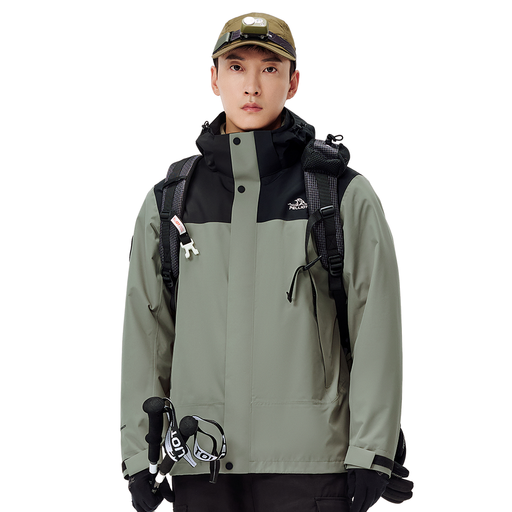
Why it's a match: Perfect for those looking for an all-in-one solution, equally at home on a weekend hike or a rainy daily commute. Its modularity makes it an excellent, year-round investment.
This model sidesteps the "false versatility" trap by offering a true 3-in-1 system. The waterproof outer jacket and the thermal fleece liner can be used separately or combined, ensuring real adaptation to temperatures ranging from -15°C to 25°C.
The STORMS BREATH technology combines a microporous waterproof-breathable membrane with sealed seams for foolproof protection against the elements.
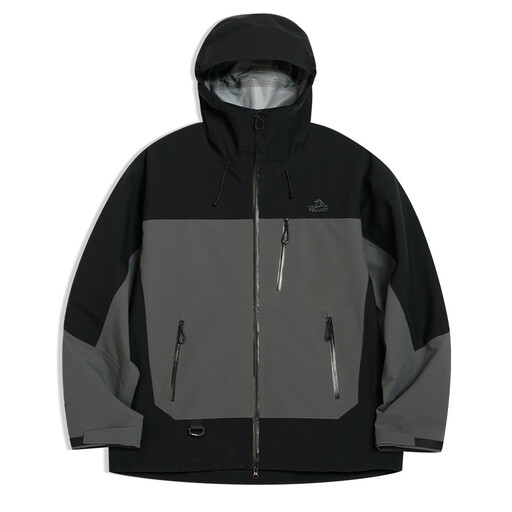
Why it's a match: Ideal for the hiker who primarily seeks robust, no-frills protection. This **women's or men's hardshell jacket** is built to endure long days in the mountains, whatever the weather.
This model avoids the "false waterproof" trap. We're talking about a true hardshell designed to face driving, continuous rain, not just a water-repellent windbreaker. Its high breathability also prevents the "sauna" effect on ascents.
Its abrasion-resistant fabric easily withstands rubbing against rocks and branches, ensuring excellent durability in the field.
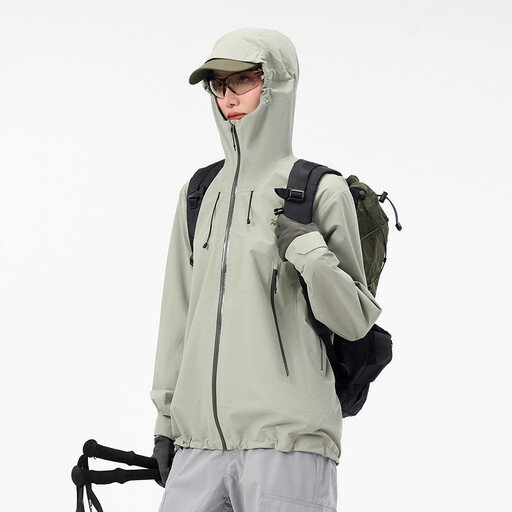
Why it's a match: Designed for mountaineers and high-altitude trekkers who demand the pinnacle of performance and safety. This model is packed with advanced features for the most hostile environments.
This model tackles the overheating pitfall during intense exertion head-on. Its long underarm zipped vents (pit zips) allow for quick, effective, and customisable ventilation to drive out moisture.
It integrates a RECCO avalanche rescue reflector, a passive safety device that helps rescue teams locate you in a mountain emergency.
We have compiled a complete and up-to-date selection of products that meet these demanding selection criteria.
Over time and with wear, the surface durable water repellent (DWR) treatment fades. To reactivate it, wash your jacket with a special detergent for technical apparel (and definitely no fabric softener!). Then, tumble dry it on low heat (for about twenty minutes) or iron it on a low setting, protecting the fabric with a towel. If this no longer works, you will need to apply a commercially available wash-in or spray-on waterproofing product.
Yes, and the price difference is often justified by the membrane's performance and durability (higher Schmerber and MVTR ratings), the quality of the finishing (waterproof zips, taped seams), the lightness of the materials, and the addition of technical details (RECCO reflector, helmet-compatible hood, targeted reinforcements). For occasional use, a model around €100-€150 will do the job. For frequent or more technical outings, investing in a high-end model is an investment in comfort, safety, and longevity.