
Livraison le jour même ou le lendemain

Qualité garantie

Débloquez vos offres de bienvenue: Livraison GRATUITE | Jusqu'à -80 % | 30 jours d'essai gratuits à JoyPlus
Téléchargez l'application
Mountain hiking, forest walks, or just a sudden downpour in the city: finding the right waterproof hiking jacket can be a daunting task. The market is saturated with technical promises and marketing jargon that only complicate the decision. Our mission? To help you decode the labels and identify the criteria that truly matter for a smart, long-lasting purchase.
But before we talk about products, let's review the common pitfalls that lead straight to buyer's remorse.
To avoid these disappointments, focus on a few key indicators. They will allow you to objectively compare products, beyond the marketing hype.
A fabric's waterproofness is measured in Schmerber (or mm). This index quantifies the pressure a column of water can exert on the fabric before it penetrates.
Also, check for sealed seams (or heat-taped seams). Without them, water will seep through the stitch holes, rendering even the best membrane completely useless.
Breathability indicates the fabric's ability to let water vapour (sweat) escape. It is primarily measured in two ways:
Underarm zip vents (or pit zips) are not a gimmick: they are a major plus for regulating ventilation during exertion.
The type of jacket depends on your intended use.
Rather than a random list, we've identified user profiles to guide you to the jacket that fits your needs.
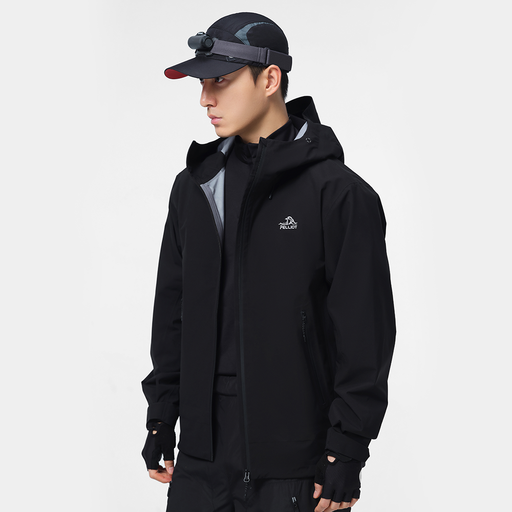
Its strong suit: Perfect as a first technical jacket, it blends a minimalist style with real performance. Its clean cut is just as at home on weekend trails as it is on a city bike, right on trend with the "gorpcore" aesthetic.
It provides true waterproof-breathable protection, going far beyond a simple water-repellent coating. Its technical membrane wicks away sweat and keeps you dry, even during exertion.
Its city-to-trail versatility and a fabric that holds up well against abrasion from backpack straps.
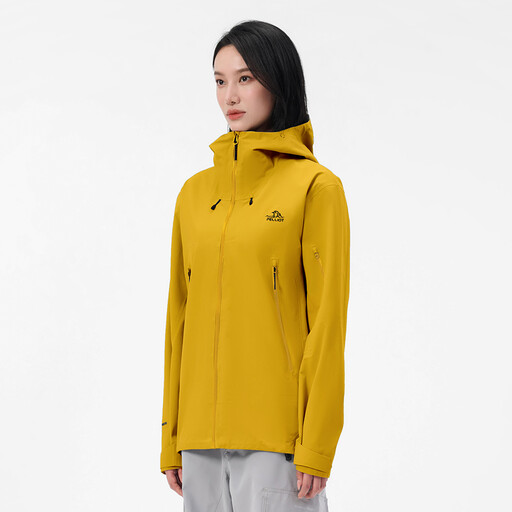
Its strong suit: Built for tough conditions, this hardshell is for hikers who refuse to compromise on performance. It's the model designed for long days in the mountains when the weather is unpredictable.
It combats overheating with large ventilation zips under the arms. Its durability isn't just a marketing claim: the fabric is engineered to withstand friction against rock and vegetation.
The integration of a RECCO safety reflector (a plus for being located by mountain rescue) and its breathability, designed for intense exertion.
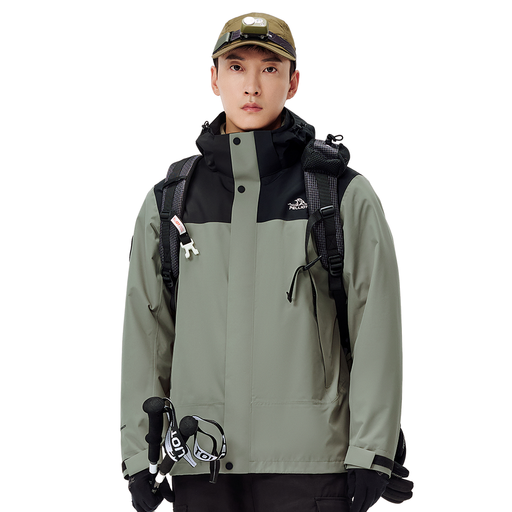
Its strong suit: This is the solution for those who want a single garment for three seasons. The 3-in-1 jacket system is the champion of versatility: one purchase for multiple uses.
It prevents the hassle of mismatched layers. The outer shell ensures waterproofness (membrane + sealed seams), while the zip-in fleece liner provides warmth that can be adjusted at will.
Total adaptability: wear the rain shell alone, the fleece alone in cool, dry weather, or combine both to face the cold and damp.
Explore our full selection of products that meet our quality charter and current standards.
Proper care is crucial. A machine wash at 30?°C (delicate cycle) with a special detergent for technical apparel or a mild liquid detergent is recommended. Crucial point: never use fabric softener! It clogs the membrane's pores and ruins its breathability. Remember to close all zips before washing. To reactivate the water-repellent finish, a tumble dry on low heat (if the label permits) is often effective. Otherwise, a re-waterproofing spray will do the job perfectly after a few washes.
Absolutely. For the vast majority of hikes in France, whether in forests, mid-altitude mountains (Vosges, Massif Central), or on coastal trails, a 10,000?mm waterproof rating is the ideal compromise. It will keep you dry during the most common downpours, even if they are prolonged. For serious high-mountain excursions (Alps, Pyrenees) or if you regularly face extreme conditions, a model with 20,000?mm (or more) will offer a welcome margin of safety.
It's the classic dilemma: choosing between maximum protection and breathable comfort.