
Livraison le jour même ou le lendemain

Qualité garantie

Débloquez vos offres de bienvenue: Livraison GRATUITE | Jusqu'à -80 % | 30 jours d'essai gratuits à JoyPlus
Téléchargez l'application
Whether you're hiking in the mountains, cycling through a downpour, or just facing a rainy day in the city, finding the right waterproof hardshell jacket is essential. The problem? The market is a jungle of technical terms and marketing promises that make the decision overwhelming. The result of a bad purchase is always the same: that unpleasant damp feeling, whether it's rain seeping in or sweat that can't escape.
As a product expert at Joybuy, my mission is to help you decode the jargon. Let's break down the common pitfalls and the criteria that truly matter so you can make the right choice.
Buying a technical jacket isn't something to be rushed. Here are the most common mistakes that can turn a promising jacket into a costly disappointment:
To avoid these pitfalls, you just need to understand a few key technical indicators. They may seem intimidating, but they are actually quite simple to decipher and are essential for judging the performance of a waterproof and breathable hiking jacket.
This unit measures a fabric's resistance to water pressure. The higher the number, the more waterproof the jacket.
It is also crucial to check that the jacket has fully taped seams. Without them, water will seep through the stitching, rendering even the best membrane completely useless.
This index measures the amount of water vapour that one square metre of fabric can release in 24 hours. It's the key spec that will save you from the "sauna" effect.
Details like underarm ventilation zips (the famous pit zips) are a real bonus for regulating airflow during exertion.
Because every adventurer is different, here is our selection designed for three distinct user profiles.
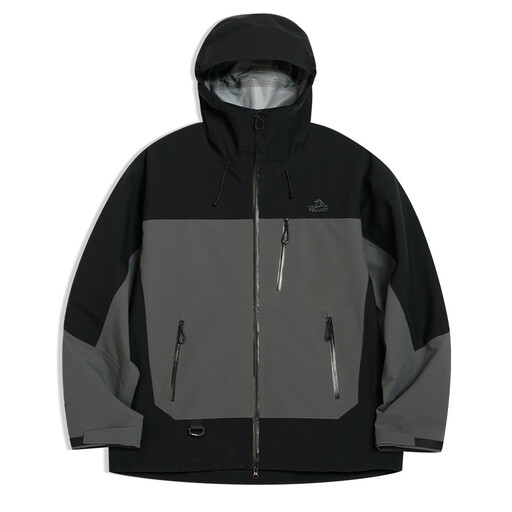
Why we recommend it: Perfect for those who want reliable protection for bike commuting and weekend getaways alike. Its modern design is as comfortable in the city as it is on the trail, making it an excellent, versatile investment.
Its membrane is designed to withstand prolonged downpours, while its good breathability prevents the "pressure cooker" effect even during a brisk walk.
Versatility: one jacket for all scenarios, from the subway to the hiking trail. Durable fabric that resists wind and abrasion.
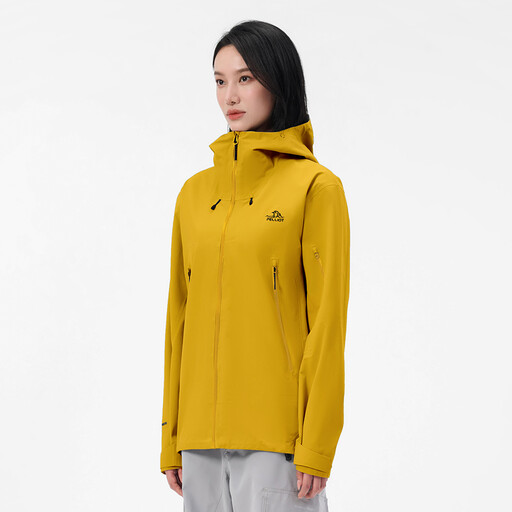
Why we recommend it: Built for enthusiasts who venture into high mountains and face harsh conditions. This unisex mountain jacket incorporates performance- and safety-focused technical details, like a RECCO reflector for avalanche rescue.
It combats the "sauna" effect with large zippered underarm vents. Its fabric, both lighter and stretchier, offers complete freedom of movement without sacrificing abrasion resistance.
Technical Performance: top-tier waterproofing and breathability. Safety: RECCO reflector and a zippered sleeve pocket for a ski pass.
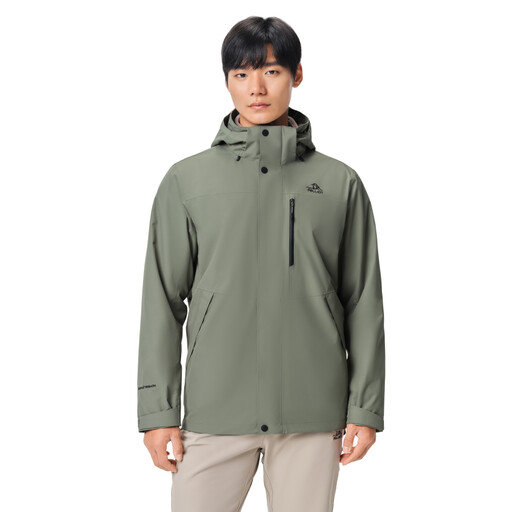
Why we recommend it: This is the ultimate solution for anyone seeking absolute modularity. The 3-in-1 system is a true Swiss Army knife: wear the shell jacket alone in the rain, the fleece alone in cool, dry weather, or combine both to tackle cold and damp conditions.
Here, there's no marketing fluff, just verifiable numbers: a waterproof rating of 35,900 mm and a breathability rating of 16,000 g/m?/24h (JIS standard). The fleece liner even has an antistatic treatment for optimal comfort.
4-Season Adaptability: one purchase to be ready all year round. Thermal Comfort: the fleece liner provides lasting warmth.
To round out your kit, discover our selection of accessories that combine quality, comfort, and technical performance.
1. How do I care for my hardshell jacket to keep it waterproof?
Proper care is the key to its longevity. Machine wash your jacket on a low temperature (30°C) with a special detergent for technical apparel (and absolutely no fabric softener!). Close all zips before washing. To reactivate the DWR (Durable Water Repellent) finish, you can tumble dry the jacket on low heat for a short time (if the care label allows) or use a re-waterproofing spray after several washes.
2. Is a hardshell jacket warm enough for winter?
No, a hardshell is not an insulating layer. Its role is to act as a shield against wind and rain. To stay warm, you need to use the well-known three-layer system: a breathable base layer (technical underwear), an insulating mid-layer (fleece, micro-puffer jacket), and finally, your hardshell as the third and final protective layer. 3-in-1 models integrate the mid-layer and outer layer directly.
3. What's the difference between a hardshell and a softshell jacket?
A hardshell offers maximum protection against the elements: it is 100% waterproof and windproof. A softshell, on the other hand, prioritises breathability, flexibility, and thermal comfort. It is water-repellent and wind-resistant but won't hold up in a downpour. A softshell is therefore perfect for high-intensity activities in dry weather or during a light shower.